

Spinal Cord Injury Treatment
Home / Spinal Cord Injury Treatment
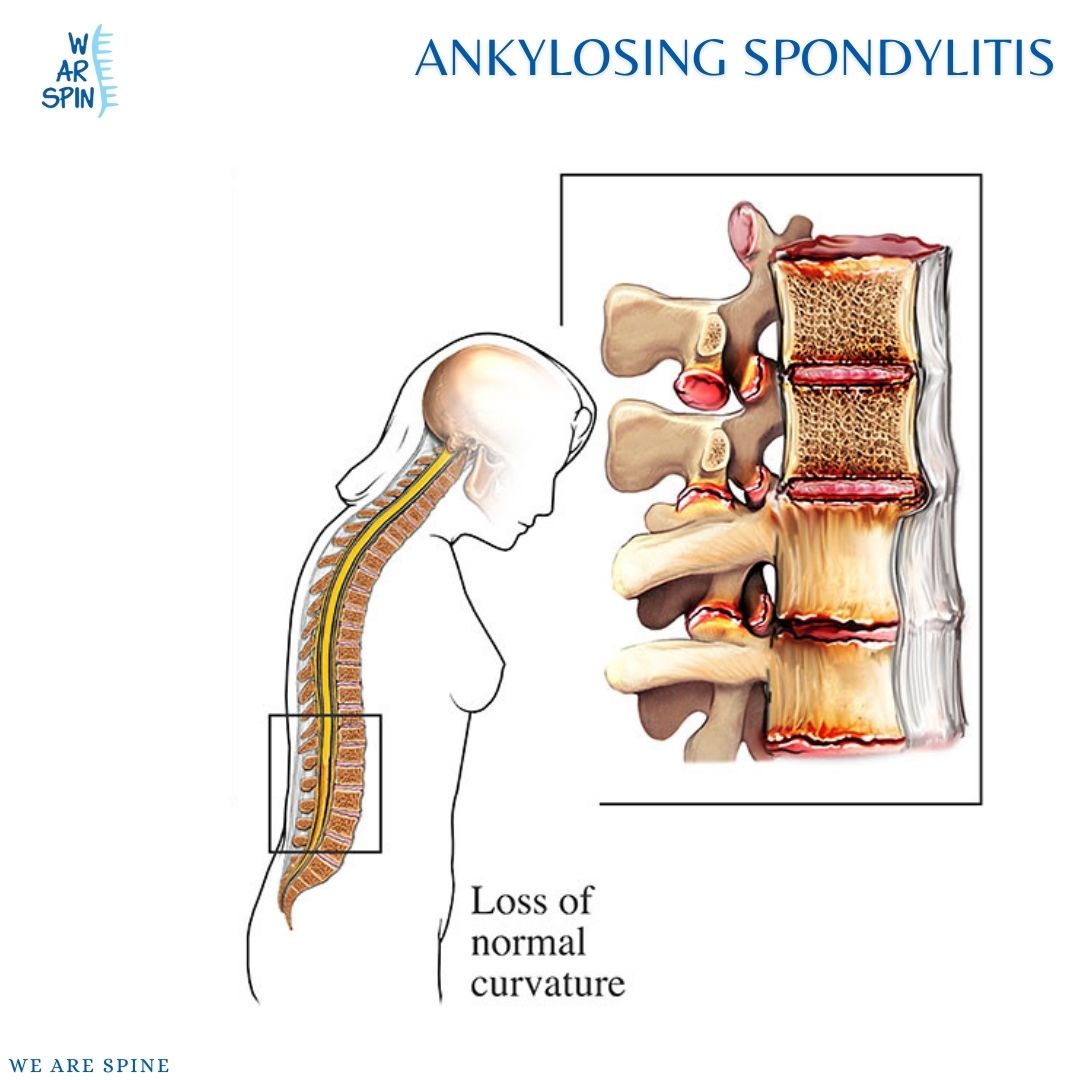
Ankylosing Spondylitis treatment in Mumbai
Ankylosing Spondylitis (AS) is a chronic inflammatory condition that primarily affects the spine and sacroiliac joints, leading to persistent back pain, stiffness, and reduced mobility. Over time, ongoing inflammation can cause fusion of the vertebrae, resulting in decreased flexibility and altered posture. If you are seeking Ankylosing Spondylitis treatment in Mumbai, Early diagnosis and specialized care are essential to manage symptoms effectively. To better understand related spine conditions, read our guide on spinal cord injury explained.
The condition typically develops gradually and is more common in young adults, often beginning with mild lower back pain and morning stiffness that improves with movement. As the disease progresses, inflammation may spread to other joints and surrounding tissues, sometimes affecting the hips, shoulders, and even the eyes. With timely medical intervention, including medication, physiotherapy, lifestyle modifications, and targeted rehabilitation programs, many patients are able to control inflammation, maintain mobility, and prevent long-term complications. Early management plays a crucial role in slowing disease progression and helping individuals lead active, independent lives.
Common Symptoms
Lower Back Pain
Morning Stiffness
Hip Pain
Limited Movement
Tiredness (Fatigue)
Poor Posture
Symptoms of Ankylosing Spondylitis
These symptoms can sometimes overlap with other serious spine conditions, learn more about warning signs of serious spine problems.
- Chronic lower back pain and stiffness, especially in the morning or after inactivity
- Limited spinal flexibility and difficulty bending or twisting
- Fatigue and general discomfort
- Reduced chest expansion leading to breathing difficulties
Causes of Ankylosing Spondylitis
In some cases, persistent back pain may be confused with other conditions, read more about is lumbar spondylosis serious to understand differences.
- Genetic Predisposition: The presence of the HLA-B27 gene significantly increases the risk of developing AS. However, not everyone with this gene will develop the condition.
- Immune System Response: AS is an autoimmune-related disease, where the immune system mistakenly attacks healthy tissues, causing inflammation in the spine and joints.
- Environmental Triggers: Certain infections or environmental factors may trigger or worsen the inflammation in genetically susceptible individuals.
- Family History: Having close relatives with AS increases your chances of developing the disease.
Treatment Options for Ankylosing Spondylitis
Although Ankylosing Spondylitis has no cure, proper management can control symptoms and improve quality of life.
1. Conservative Treatments:
- Anti-inflammatory medications
- Physical therapy to improve posture and spinal mobility
- Targeted exercise and stretching programs
2. Surgical Options (for severe cases):
- Osteotomy: Realignment of the spine to correct deformities
- Laminectomy: Decompression surgery to relieve nerve pressure
For expert care, consult top spine surgeons in Mumbai experienced in managing complex spinal disorders. You can also explore best spine hospitals in Mumbai or visit a trusted spine clinic in Mumbai for comprehensive treatment.
Our team includes experienced spine specialists such as Dr. Shekhar Bhojraj, Dr. Abhay Nene, Dr. Premik Nagad, Dr. Priyank Patel, Dr. Sheetal Mohite, and Dr. Aaditya Kashikar, who specialize in treating complex spine conditions including Ankylosing Spondylitis with advanced and personalized care.
If you are looking for expert Ankylosing Spondylitis treatment in Mumbai, book a consultation with our Spine specialists today.
Frequently Asked Questions (FAQs)
What are the common ANKYLOSING SPONDYLITIS symptoms?
Early recognition of ANKYLOSING SPONDYLITIS symptoms like chronic back pain, stiffness, and reduced spinal mobility is crucial for timely diagnosis and treatment.
What are the best ANKYLOSING SPONDYLITIS treatment options available?
ANKYLOSING SPONDYLITIS treatment typically includes medications, physical therapy, lifestyle changes, and in severe cases, surgery to manage pain and improve mobility.
How is ANKYLOSING SPONDYLITIS diagnosis performed?
ANKYLOSING SPONDYLITIS diagnosis involves physical exams, imaging tests like X-rays or MRI, and blood tests such as HLA-B27 to confirm the presence of the condition.
When should I consult an ANKYLOSING SPONDYLITIS specialist?
If you experience persistent back pain and stiffness, consulting an ANKYLOSING SPONDYLITIS specialist early can help with accurate diagnosis and effective management.
What is ANKYLOSING SPONDYLITIS and how does it affect the body?
ANKYLOSING SPONDYLITIS is a chronic inflammatory disease affecting the spine and sacroiliac joints, leading to pain, stiffness, and potential fusion of vertebrae over time.
Get Expert Guidance for Your Spine Health
Spinal conditions can impact your comfort, movement, and overall quality of life. Get expert guidance and advanced spine care from experienced specialists.