
Spinal Cord Injury Treatment
Home / Spinal Cord Injury Treatment
Cervical Spondylosis Treatment in Mumbai
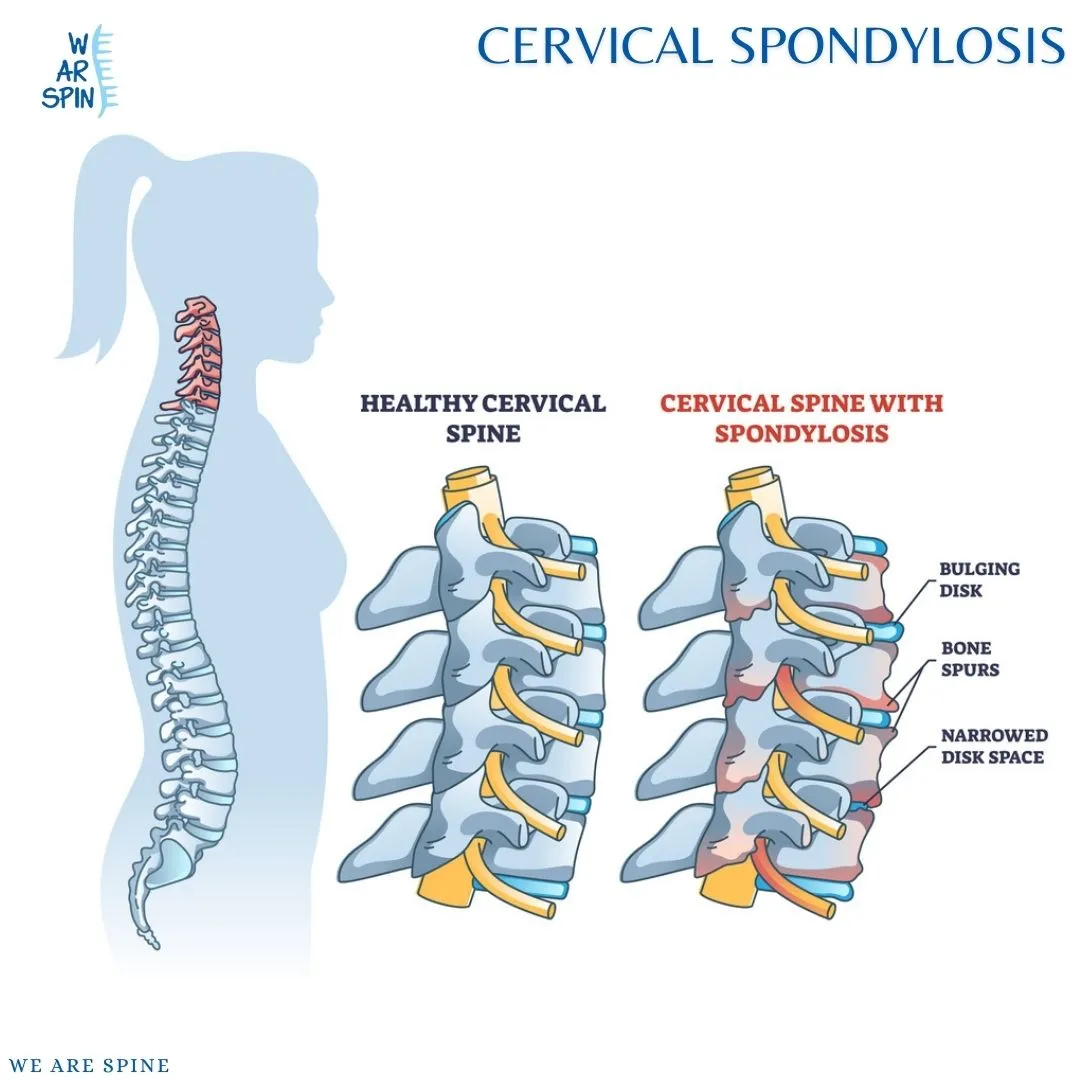
Cervical Spondylosis is an age-related degenerative condition affecting the neck (cervical spine), including the discs and vertebrae. Over time, wear and tear can lead to disc thinning, bone spur formation, and narrowing of the spinal canal, which can compress nerves and cause a variety of symptoms. If you are seeking expert Cervical Spondylosis treatment in Mumbai, Early diagnosis and tailored care can help manage pain, improve mobility, and prevent further nerve damage. To understand early warning signs, read our guide on early signs of cervical spondylosis you should never ignore.
Many individuals with this condition experience persistent neck pain, stiffness, headaches, or discomfort that may radiate to the shoulders and arms. In some cases, nerve compression can cause numbness, tingling sensations, or weakness in the arms and hands. These symptoms often worsen with prolonged sitting, poor posture, or excessive strain on the neck, making daily activities uncomfortable if left untreated.
Proper evaluation by a spine specialist is essential to determine the severity of the condition and the most effective treatment plan. Management usually includes a combination of physical therapy, posture correction, pain management, and lifestyle modifications. In advanced cases where nerve compression is severe, minimally invasive spine procedures may be recommended to relieve pressure on the nerves and restore normal function.
Common Symptoms
Neck pain
Neck stiffness
Headache (back of head)
Shoulder pain
Arm numbness or tingling
Weakness in arms or hands
What is Cervical Spondylosis?
Cervical spondylosis, also known as cervical osteoarthritis, is a common condition caused by the natural aging process of the spine. The discs and joints in the cervical spine undergo gradual degeneration, which can lead to stiffness, inflammation, and narrowing of the spaces where nerves exit the spinal cord. This degeneration may result in chronic neck pain and other neurological symptoms.
You can also explore a detailed overview of the condition on our cervical spondylosis guide
Symptoms of Cervical Spondylosis
If these symptoms persist, it is important to identify the root cause learn more about how to cure cervical spondylosis permanently and manage symptoms effectively.
- Persistent neck pain and stiffness
- Radiating pain to shoulders and arms
- Numbness or tingling in the arms or hands
- Weakness in the arms or hands
- Headaches, especially at the back of the head
- Reduced range of motion in the neck
Diagnosis of Cervical Spondylosis
Understanding nerve involvement is important read more about how spinal nerves function.
- Physical examination focusing on neck movement and neurological function
- Imaging tests like X-rays and MRI scans to assess disc and nerve involvement
- Nerve conduction studies to evaluate nerve compression
- Review of medical history and symptom evaluation
Treatment Options for Cervical Spondylosis
Effective treatment of Cervical Spondylosis, Patients with spinal inflammation may also benefit from our Ankylosing Spondylitis treatment combines multiple approaches tailored to the severity of symptoms:
1. Conservative Treatments:
- Medications: Pain relievers, anti-inflammatory drugs, and muscle relaxants
- Physical Therapy: Exercises and stretches to improve neck strength and flexibility
- Lifestyle Modifications: Posture correction, ergonomic adjustments, and avoiding neck strain.
2. Advanced Treatments:
- Injections: Corticosteroid injections to reduce inflammation around nerves
- Surgery: Reserved for severe cases with significant nerve compression or spinal cord involvement
Why Choose We Are Spine for Cervical Spondylosis Treatment
Our team includes experienced spine specialists in India such as Dr. Shekhar Bhojraj, Dr. Abhay Nene, Dr. Premik Nagad, Dr. Priyank Patel, Dr. Sheetal Mohite, and Dr. Aaditya Kashikar, who specialize in treating cervical spine conditions with advanced and personalized care.
If you’re unsure about your condition, read our guide on which doctor to consult for back pain to make the right decision.
Book your appointment today with our spine specialists to get a personalized treatment plan and start your recovery.
Frequently Asked Questions (FAQs)
What are the common symptoms of Cervical Spondylosis?
Early recognition of the symptoms of Cervical Spondylosis can help in timely diagnosis. Common signs include neck pain, stiffness, headaches, numbness or tingling in the arms, and reduced range of motion in the neck.
How is Cervical Spondylosis diagnosed?
Accurate diagnosis involves physical examination, X-rays, MRI scans, and nerve conduction studies. Consulting a specialist in Mumbai ensures precise assessment and a personalized treatment plan.
What are the best Treatment of Cervical Spondylosis options?
Treatment of Cervical Spondylosis includes medications, physiotherapy, lifestyle modifications, and in severe cases, surgery. Early intervention improves mobility, reduces pain, and prevents further nerve damage.
Can Cervical Spondylosis cause nerve damage?
Yes, if left untreated, Cervical Spondylosis can compress spinal nerves or the spinal cord, leading to numbness, weakness, or tingling in the arms and hands. Early treatment is essential to prevent complications.
Where can I find expert Cervical Spondylosis treatment in Mumbai?
At We Are Spine, our specialists provide advanced Cervical Spondylosis specialist in Mumbai, combining diagnostic precision, personalized care plans, and a multidisciplinary approach to manage symptoms effectively.
Get Expert Guidance for Your Spine Health
Spinal conditions can impact your comfort, movement, and overall quality of life. Get expert guidance and advanced spine care from experienced specialists.