Spinal Cord Injury Treatment
Home / Spinal Cord Injury Treatment
Spondylolisthesis Treatment In Mumbai
Spondylolisthesis is a spinal condition in which one vertebra slips forward over the one below it, leading to instability in the spine and pressure on nearby nerves. This can cause persistent back pain, leg pain, stiffness, and difficulty with daily activities. When identified early, the right medical care and timely spondylolisthesis treatment in Mumbai can help relieve symptoms, improve movement, and prevent the condition from worsening over time.
This condition can develop due to several factors such as age-related degeneration, congenital defects, stress fractures, or injuries to the spine. It most commonly affects the lower back and may gradually progress if not treated properly. People who participate in repetitive spine-loading activities or sports may also be at a higher risk of developing this condition.
Treatment for spondylolisthesis depends on the severity of the slip and the symptoms experienced by the patient. Non-surgical treatments such as medication, physiotherapy, and lifestyle modifications are often recommended initially to manage pain and strengthen the spine. In more advanced cases, surgical intervention may be considered to stabilize the spine, relieve nerve pressure, and restore normal spinal alignment.
Common Symptoms
Lower back pain
Leg pain
Muscle tightness
Numbness or tingling in legs
Weakness in legs
Difficulty walking or standing
What Is Spondylolisthesis?
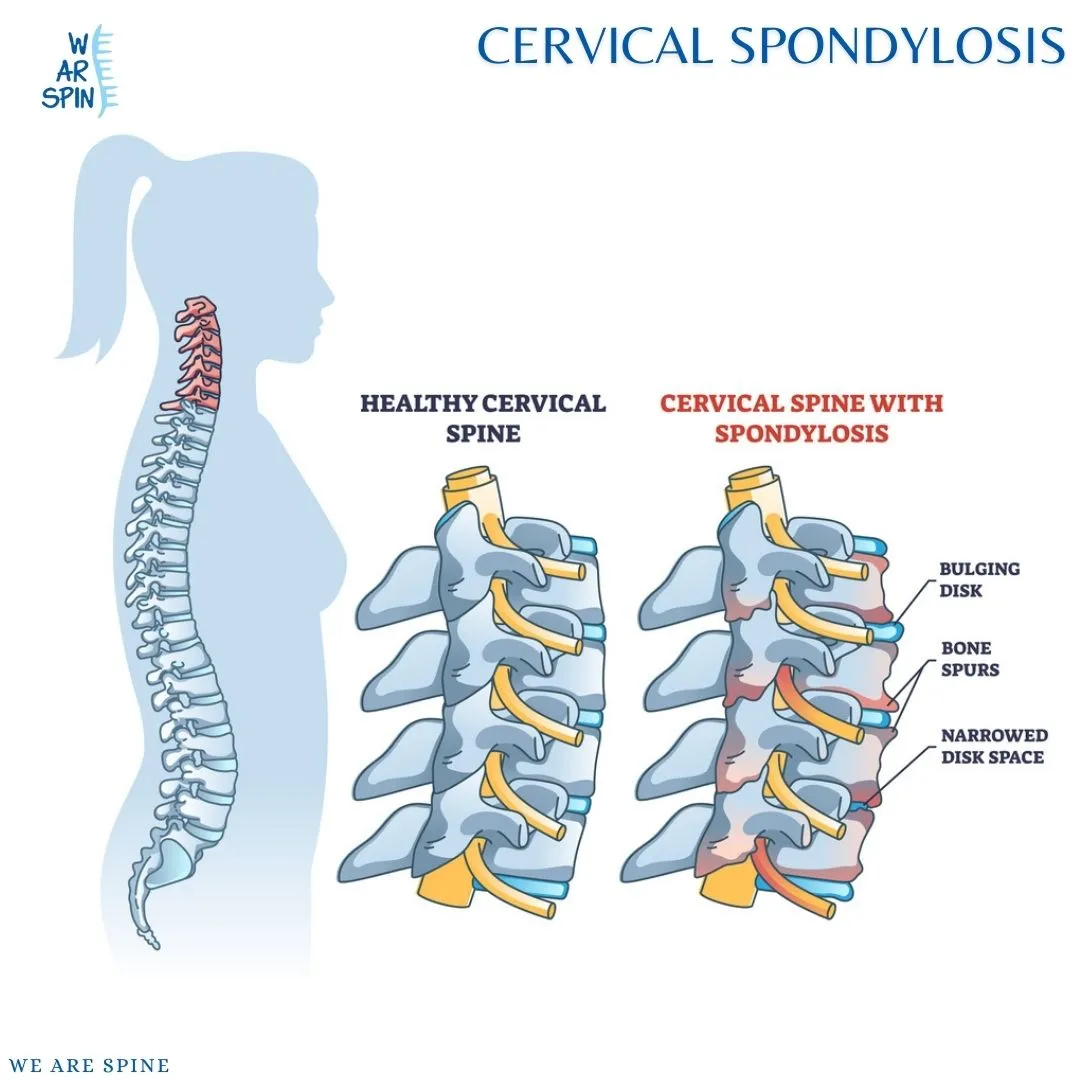
Many patients often ask, what is spondylolisthesis Spondylolisthesis occurs when a vertebra slips out of its normal position, usually in the lower back (lumbar spine), though it can occasionally affect the cervical spine.
Understanding spinal anatomy is important see our spinal nerves explained page for details on nerve function and compression.
This slippage can:
- Narrow the spinal canal
- Compress spinal nerves
- Cause mechanical back pain and neurological symptoms
Spondylolisthesis is classified into different types based on the underlying cause, such as:
- Degenerative spondylolisthesis (age-related wear and tear)
- Isthmic spondylolisthesis (stress fracture in the vertebra)
- Congenital spondylolisthesis (present from birth)
- Traumatic spondylolisthesis (due to injury)
- Pathological spondylolisthesis (due to tumors or infections)
Symptoms of Spondylolisthesis
The symptoms of spondylolisthesis vary depending on the degree of vertebral slippage and nerve involvement. Some patients experience mild discomfort, while others may suffer from severe pain and functional limitations.
Common symptoms include:
- Persistent lower back pain that worsens with standing or activity
- Pain radiating to the buttocks or legs (sciatica-like symptoms)
- Stiffness in the spine, especially in the morning
- Muscle tightness or spasms
- Numbness, tingling, or weakness in the legs
- Difficulty walking or standing for long periods
- Reduced flexibility of the spine
In severe cases:
- Loss of balance
- Changes in posture
- Bowel or bladder dysfunction (a medical emergency)
Some symptoms may overlap with other serious spine conditions read our guide on 7 warning signs your back pain could be serious.
Causes of Spondylolisthesis
Understanding the causes of spondylolisthesis helps in early detection and preventive care. Some of the most common causes include:
- Age-related degeneration of spinal discs and joints
- Stress fractures caused by repetitive movements or sports
- Congenital spinal defects
- Trauma or spinal injuries
- Previous spinal surgery
- Tumors, infections, or bone diseases
- Genetic predisposition or weak spinal structures
Diagnosis of Spondylolisthesis
Accurate and timely diagnosis of spondylolisthesis is essential to determine the severity and plan appropriate treatment. At We Are Spine, diagnosis involves a detailed and systematic approach.
Diagnostic methods include:
- Clinical evaluation to assess posture, movement, and neurological function
- X-rays to confirm vertebral slippage and determine the grade
- MRI scans to evaluate nerve compression, disc damage, and soft tissue involvement
- CT scans for detailed bone assessment in complex cases
Spondylolisthesis is graded from Grade I (mild) to Grade V (severe) based on the extent of slippage. Early-stage cases often respond well to conservative care, while advanced grades may require surgical intervention.
Spondylolisthesis Treatment Options
Effective spondylolisthesis treatment depends on factors such as age, severity, symptoms, lifestyle, and overall health. At We Are Spine, treatment is always personalized.
1. Conservative (Non-Surgical) Treatment:
Most mild to moderate cases can be managed without surgery.
Non-surgical treatments include:
- Pain-relieving medications and anti-inflammatories
- Activity modification and posture correction
- Physiotherapy to strengthen core and back muscles
- Stretching and flexibility exercises
- Use of spinal braces when required
- Lifestyle changes and weight management.
2. Surgical Treatment for Spondylolisthesis
Surgery is recommended when:
- Pain persists despite conservative treatment
- There is progressive neurological deficit
- Severe spinal instability is present
- Daily activities are significantly affected
Surgical options include:
- Spinal decompression to relieve nerve pressure
- Spinal fusion surgery to stabilize the affected vertebrae
- Minimally invasive spine surgery for faster recovery and reduced tissue damage
Why Choose We Are Spine for Spondylolisthesis Treatment?
Choosing the right spine center is crucial for long-term success. At We Are Spine, we offer:
- Accurate diagnosis and grading of spondylolisthesis
- Expertise of leading spine specialists
- Advanced non-surgical and surgical treatments
- Minimally invasive spine surgery options
- Comprehensive pain management and rehabilitation
- Patient-focused care with long-term follow-up
Our team includes experienced spine specialists such as Dr. Shekhar Bhojraj, Dr. Abhay Nene, Dr. Premik Nagad, Dr. Priyank Patel, Dr. Sheetal Mohite, and Dr. Aaditya Kashikar, who specialize in spondylolisthesis and other complex spine conditions with advanced, personalized care.
Frequently Asked Questions (FAQs)
What is spondylolisthesis?
Spondylolisthesis is a spinal condition where one vertebra slips forward over another, causing pain, instability, and possible nerve compression.
What are the common symptoms of spondylolisthesis?
Symptoms include lower back pain, stiffness, leg pain, numbness, weakness, and difficulty walking or standing for long periods.
What causes spondylolisthesis?
Common causes include age-related degeneration, stress fractures, congenital defects, trauma, or spinal conditions affecting bone strength.
How is spondylolisthesis diagnosed?
Diagnosis involves physical examination, X-rays, MRI, and CT scans to assess slippage, nerve involvement, and spinal stability.
Where can I get the best Spondylolisthesis Treatment in Mumbai?
We Are Spine offers expert-led, personalized spondylolisthesis treatment in Mumbai using advanced diagnostic and therapeutic approaches.
Get Expert Guidance for Your Spine Health
Spinal conditions can impact your comfort, movement, and overall quality of life. Get expert guidance and advanced spine care from experienced specialists.