Scoliosis is a condition where the spine curves sideways, often developing during childhood or adolescence, though adults can also be affected. While many cases of scoliosis are mild and managed without surgery, some patients experience progressive spinal curvature that leads to pain, breathing difficulties, postural imbalance, or reduced quality of life. In such situations, surgery may be recommended. For patients and families, one of the most common concerns is understanding scoliosis surgery before and after, how life looks prior to surgery, what changes after surgery, and what recovery truly involves. This guide explains the journey in a clear and realistic way.
Understanding Scoliosis
Scoliosis causes the spine to curve abnormally in an “S” or “C” shape. Over time, severe curves can worsen and lead to complications.
When Is Scoliosis Surgery Recommended?
Surgery may be considered when:
- The spinal curve exceeds 40–50 degrees
- The curve continues to worsen despite bracing or observation
- Chronic back pain affects daily activities
- There is visible spinal deformity affecting posture and balance
- Lung or nerve function is compromised in severe cases
Not every scoliosis patient needs surgery. The decision is based on age, curve severity, symptoms, and overall health.
Scoliosis Surgery Before: What Patients Experience
Understanding the before phase helps set realistic expectations. Before scoliosis surgery, patients may experience:
- Uneven shoulders or hips
- Rib hump or visible spinal curve
- Back pain or stiffness
- Fatigue after standing or sitting
- Reduced lung capacity in severe thoracic scoliosis
- Difficulty maintaining posture
In adults, degenerative scoliosis can also cause nerve compression, leading to leg pain or numbness.
Emotional and Mental Impact Before Surgery
Living with scoliosis can affect emotional well-being:
- Self-consciousness about appearance
- Anxiety about curve progression
- Fear related to surgery
- Reduced confidence, especially in adolescents
These concerns are normal and should be addressed through proper counseling and education.
Pre-Surgery Evaluation and Preparation
Before surgery, doctors typically perform:
- X-rays and spinal measurements
- MRI or CT scans if nerve involvement is suspected
- Lung function tests (in severe curves)
- Blood tests and general fitness assessment
Patients are advised to:
- Maintain good nutrition
- Stay active within comfort limits
- Understand the surgical plan and recovery timeline
What Happens During Scoliosis Surgery?
Most scoliosis surgeries involve spinal fusion, where curved vertebrae are realigned and fused together using rods, screws, or hooks.
Goals of Surgery:
- Reduce the spinal curve
- Prevent further progression
- Improve posture and balance
- Relieve pain and pressure on nerves
- Enhance long-term spinal stability
Scoliosis Surgery After: Immediate Changes
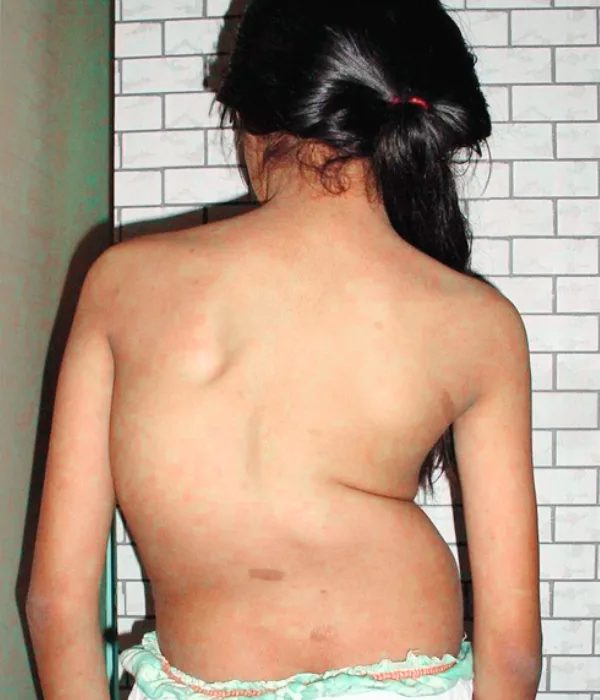
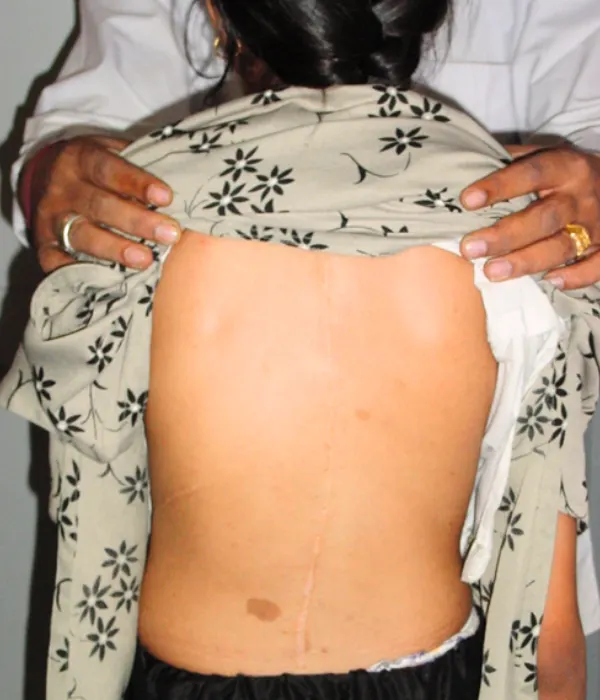
The after phase begins right after surgery and continues over months.
Immediately After Surgery
- Patients are monitored closely in the hospital
- Pain is managed with medications
- Walking usually begins within a few days
- Posture often appears noticeably straighter
Physical Changes After Surgery
- Straighter spine and improved alignment
- More balanced shoulders and hips
- Reduced rib hump appearance
- Improved sitting and standing posture
Recovery Phase: Scoliosis Surgery Before and After Comparison
Pain Levels
- Before surgery: Chronic or worsening back pain in some patients
- After surgery: Temporary surgical pain that gradually reduces over weeks
Mobility and Activity
- Before: Limited endurance, discomfort during daily activities
- After: Gradual return to walking, sitting, and routine tasks
Within a few weeks to months:
- Patients return to school or desk work
- Light household activities become easier
- Independence improves steadily
Key Takeaway
Understanding scoliosis surgery before and after helps patients set realistic expectations. Before surgery, scoliosis may cause pain, imbalance, and emotional stress. After surgery, most patients experience improved alignment, reduced symptoms, and better quality of life, though recovery takes time and commitment. Scoliosis surgery is a carefully planned procedure aimed at long-term spinal health, stability, and functional improvement. Every scoliosis case is unique, and surgical decisions should be based on expert evaluation. Book an appointment with a qualified spine surgeon to assess your condition, review imaging, and explore advanced treatment options for long-term spinal health.