4 Stages of Disc Herniation
Disc herniation is a common spinal condition that develops gradually due to degeneration, injury, or repetitive stress on the spine. It occurs when the soft inner portion of an intervertebral disc pushes through or leaks out of its outer layer, potentially irritating nearby nerves. Understanding the 4 stages of disc herniation helps in recognizing early symptoms and taking timely steps to prevent progression.
Disc herniation can affect any part of the spine, but it most commonly occurs in the cervical (neck) and lumbar (lower back) regions.
What Is Disc Herniation?
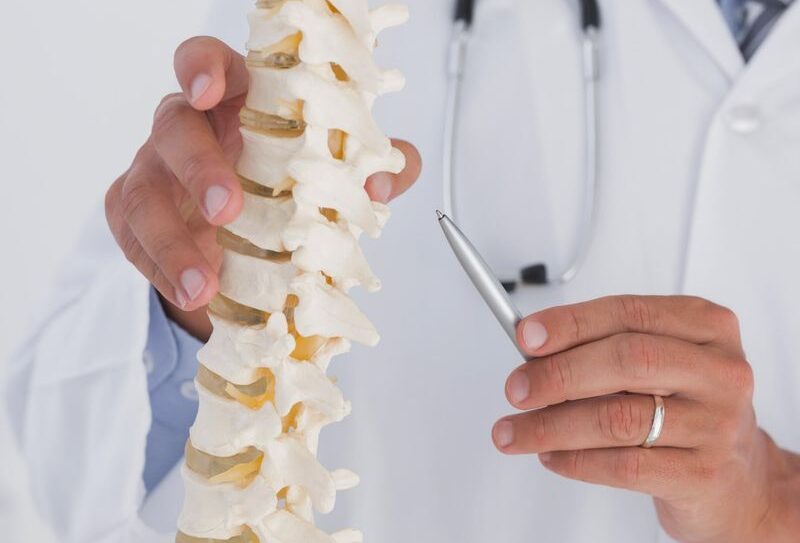
The spine is made up of vertebrae separated by intervertebral discs, which act as shock absorbers. Each disc has:
- A soft, gel-like center (nucleus pulposus)
- A tough outer ring (annulus fibrosus)
Disc herniation occurs when the outer ring weakens or tears, allowing the inner material to bulge or leak outward. This process typically progresses through four stages.
Here are the 4 stages of disc herniation
Stage 1: Disc Degeneration
This is the earliest stage and often goes unnoticed.
What Happens?
- Discs lose water content and elasticity
- Disc height begins to reduce
- The spine becomes less flexible
Common Symptoms
- Mild back or neck stiffness
- Occasional discomfort after activity
- No nerve compression at this stage
Degeneration is a natural part of aging but may begin earlier due to poor posture, prolonged sitting, or repetitive strain.
Stage 2: Disc Bulge (Prolapse)
At this stage, the disc starts to protrude beyond its normal boundary.
What Happens?
- The disc bulges outward
- The outer layer remains intact
- No rupture occurs
Common Symptoms
- Localized back or neck pain
- Muscle tightness
- Pain that worsens with certain movements
A disc bulge may press on nearby tissues but does not always cause nerve symptoms.
Stage 3: Disc Herniation (Extrusion)
This is the stage most people refer to as a “slipped disc.”
What Happens?
- The outer disc layer tears
- Inner disc material leaks out
- Nearby nerves may become compressed
Common Symptoms
- Sharp or radiating pain
- Numbness or tingling in arms or legs
- Muscle weakness
- Pain aggravated by coughing or bending
Symptoms vary depending on which nerve is affected.
Stage 4: Sequestered Disc (Fragmentation)
This is the most advanced stage of disc herniation.
What Happens?
- Disc material breaks off and moves into the spinal canal
- Inflammation increases
- Nerve compression may become severe
Common Symptoms
- Persistent or severe nerve pain
- Significant weakness
- Reduced reflexes
- Difficulty with daily activities
This stage often requires close medical monitoring.
How Disc Herniation Progresses
Not everyone experiences all four stages. Many people remain in the early stages and never progress to severe herniation. Progression depends on factors such as:
- Age
- Physical activity
- Body weight
- Occupation
- Spinal posture
Early intervention can slow or halt progression.
Common Causes of Disc Herniation
- Age-related degeneration
- Poor posture
- Prolonged sitting
- Improper lifting techniques
- Repetitive bending or twisting
- Sudden injury or trauma
Conclusion
Disc herniation is a progressive condition that develops through four stages, from early degeneration to advanced disc fragmentation. While advanced stages can cause significant discomfort and nerve symptoms, many cases can be effectively managed when identified early. Paying attention to back or neck pain and addressing risk factors can help prevent long-term complications.
Frequently Asked Questions (FAQs)
What Is the Most Painful Stage of Herniation?
The most painful stage is usually disc extrusion, where the inner disc pushes through the outer layer, compressing nerves, causing severe lower back pain, sciatica, numbness, and leg weakness.
The most painful stage is usually disc extrusion, where the inner disc pushes through the outer layer, compressing nerves, causing severe lower back pain, sciatica, numbness, and leg weakness.
Is L4-L5 Herniated Disc Serious?
An L4-L5 herniated disc can be serious if it compresses nerves, causing pain, numbness, or weakness. Most cases improve with conservative treatment, but severe compression may require urgent medical care.
An L4-L5 herniated disc can be serious if it compresses nerves, causing pain, numbness, or weakness. Most cases improve with conservative treatment, but severe compression may require urgent medical care.
Can a Herniated Disc Return to Normal?
Many herniated discs can heal naturally over time. With rest, physiotherapy, anti-inflammatory medications, and healthy habits, the disc can shrink, relieve nerve pressure, and reduce pain without surgery.
Many herniated discs can heal naturally over time. With rest, physiotherapy, anti-inflammatory medications, and healthy habits, the disc can shrink, relieve nerve pressure, and reduce pain without surgery.
What Are the Emergency Symptoms of a Herniated Disc?
Emergency symptoms include loss of bladder or bowel control, severe leg weakness, numbness, or sudden extreme back pain. These may indicate nerve compression requiring immediate medical attention.
Emergency symptoms include loss of bladder or bowel control, severe leg weakness, numbness, or sudden extreme back pain. These may indicate nerve compression requiring immediate medical attention.
What Percentage of Herniated Discs Require Surgery?
Only about 10–20% of herniated disc cases need surgery. Most patients recover with conservative treatment like physiotherapy, medications, and lifestyle changes, while surgery is reserved for severe or persistent cases.
Only about 10–20% of herniated disc cases need surgery. Most patients recover with conservative treatment like physiotherapy, medications, and lifestyle changes, while surgery is reserved for severe or persistent cases.


4 Responses