

Transform Your Back Pain: Discover the Ultimate 30-Minute Yoga Asana Routine for Sciatica!
Sciatica is a painful condition that radiates from the lower back down the legs, causing tingling, numbness, or stinging pain. A herniated disc, tense muscles, or prolonged sitting can all cause pain that interferes with daily activities. The centuries-old practice of yoga is a natural and effective remedy for sciatica, even though painkillers and medical interventions can lessen the pain. However, if symptoms persist or worsen, consulting a reputed spine hospital in Mumbai can help diagnose the underlying cause and ensure safe, comprehensive care.
Yoga improves spinal alignment, increases circulation, and encourages relaxation in addition to strengthening and stretching the muscles that surround the sciatic nerve. Yoga helps the body heal from within by releasing tension, reducing inflammation, and restoring mobility through mindful movement and deep breathing.
This 30-minute yoga routine for sciatica relief offers a progressive flow of stretches, strength-building poses, and relaxation techniques that are specifically crafted to address the underlying causes of sciatic pain. These poses will assist you in regaining ease and comfort in your everyday movements, regardless of your level of experience.
Here’s a comprehensive guide to 10 yoga poses that can help with sciatica pain, as well as a planned 30-minute workout that keeps things interesting and productive.
Yoga Routine for Sciatica Relief (30-Minute Flow)
Duration: 30 minutes
Frequency: 4-5 times per week
Best Time: Morning or evening
Warm-Up (5 minutes)
- Cat-Cow Pose (1-2 minutes)
- Child’s Pose (1 minute)
- Downward Dog (30-60 seconds)
Strengthening & Stretching (20 minutes)
- Cobra Pose – 3 rounds (20-30 sec each)
- Pigeon Pose – Hold for 30-60 sec per side
- Bridge Pose – 2-3 rounds (30-45 sec each)
- Supine Spinal Twist – Hold for 30-60 sec per side
- Reclining Hand-to-Big-Toe Pose – 30 sec per leg
- Seated Forward Bend – Hold for 30-60 sec
Relaxation & Cool Down (5 minutes)
- Legs Up the Wall – 3-5 minutes
All the yoga poses mentioned in the routine are further explained, including detailed instructions on how to perform them.
How to Make This Routine Fun & Engaging
- Create a Sciatica-Healing Playlist – Soft instrumental, yoga beats, or even your favorite calm songs.
- Use Essential Oils – Try lavender or peppermint for an added sensory experience.
- Practice in a Cozy Space – Dim the lights, light a candle, and make it your moment of peace.
- Track Your Progress – Note how you feel before and after. Small wins add up!
- Do It with a Friend – Yoga is even better with a buddy!
- Use Props – Yoga blocks, cushions, or straps for comfort
End with Deep Breathing – Helps calm the nervous system
This isn’t just a yoga routine—it’s self-care for your spine.
- After one session: You’ll feel looser and more relaxed.
- After a week: You’ll notice reduced stiffness and pain.
- After a month: Your flexibility, strength, and mobility will improve significantly
10 Best Yoga Asanas for Sciatica Relief
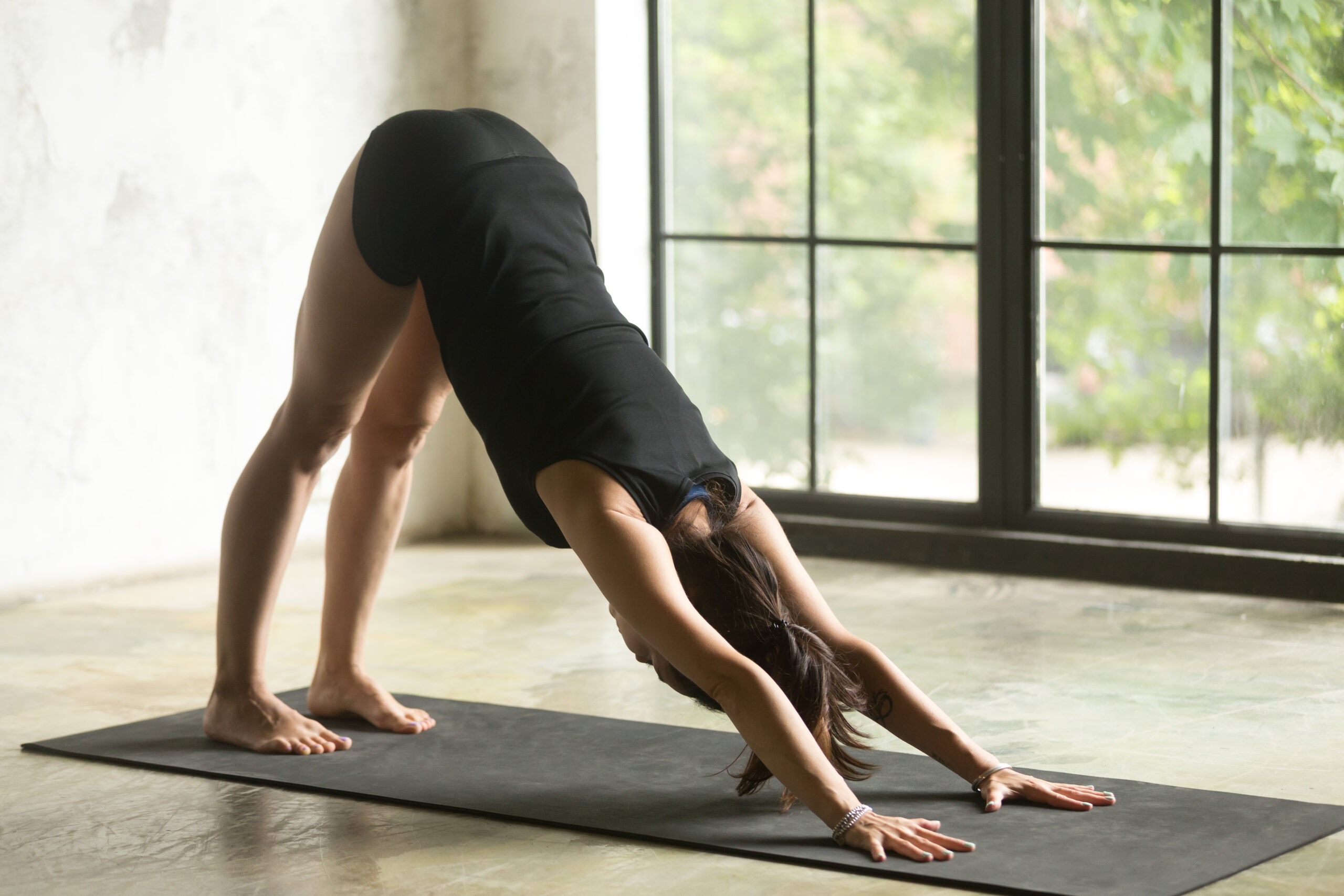
1. Downward-Facing Dog (Adho Mukha Svanasana)
Releases tension along the sciatic nerve by stretching the lower back, hamstrings, and calves.
How to do it:
• Begin on your hands and knees at a tabletop position.
• Raise your hips, straighten your legs, and tuck your toes.
• Keep your heels slightly raised or in contact with the floor while pressing your palms into the mat.
Hold for 30 to 60 seconds while taking deep breaths.
Adjustment: Bend your knees a little if your hamstrings feel too tight.
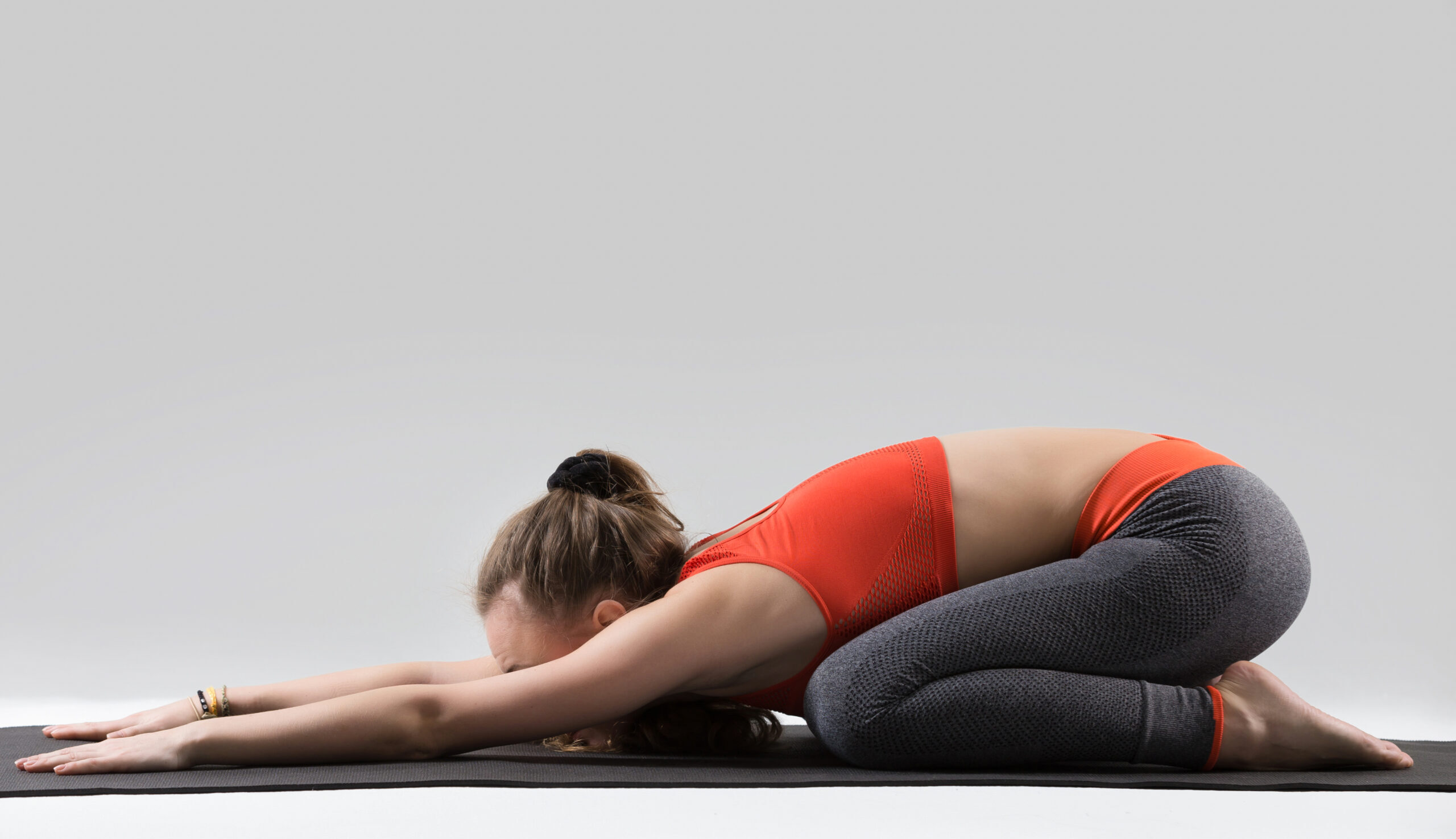
2. Child’s Pose (Balasana)
A gentle pose that relaxes the nervous system and relieves tension in the lower back.
How to do it:
- Sit with your knees wide apart on your heels.
- Place your forehead on the mat and extend your arms forward.
Hold for one to two minutes while taking deep breaths.Adjustment: If your hips don’t reach your heels, place a cushion beneath them.
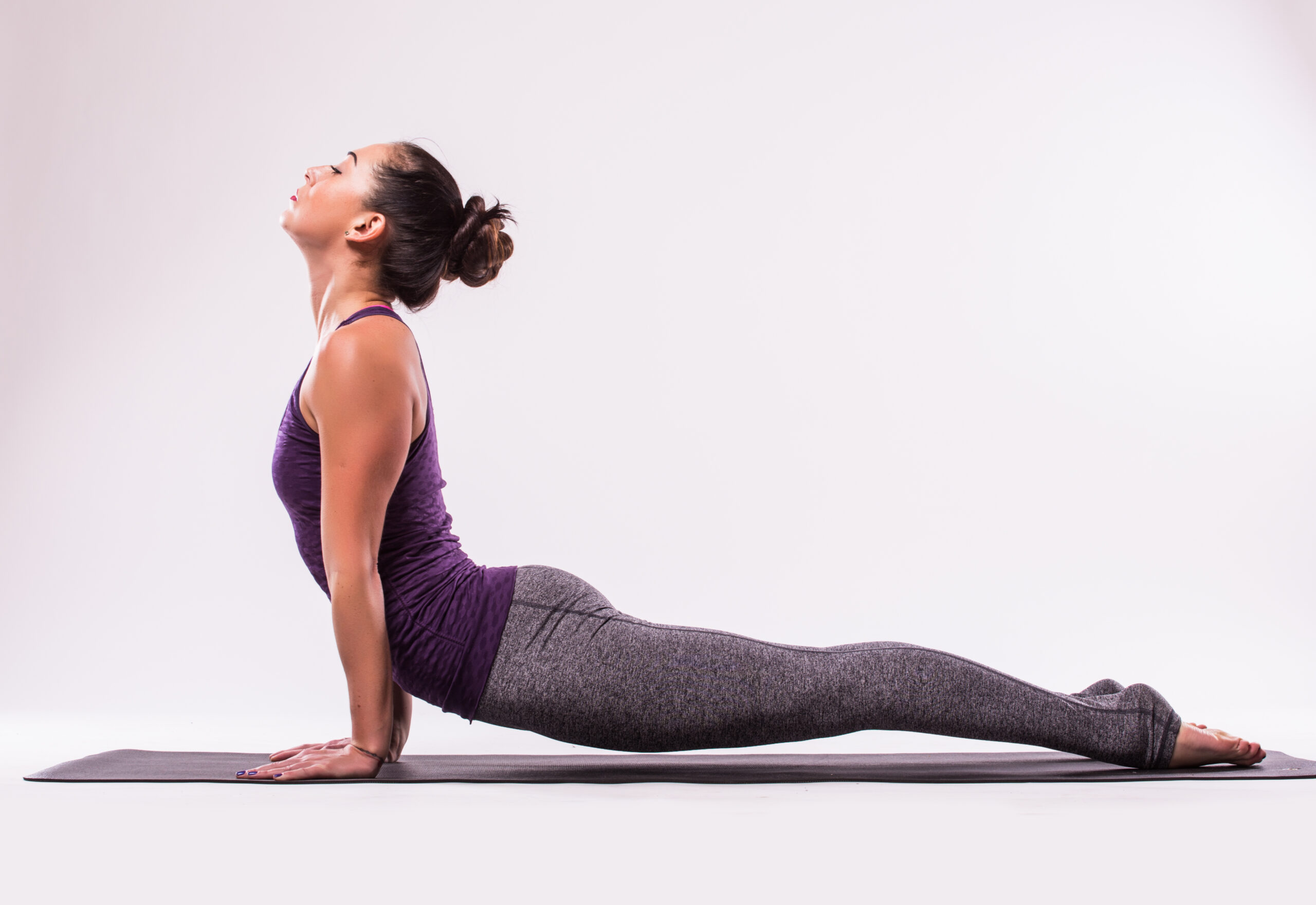
3. Cobra Pose (Bhujangasana)
Reduces nerve compression by opening up the spine and strengthening the lower back.
How to do it:
- Place your hands beneath your shoulders while lying on your stomach.
- Maintaining a slight bend in your elbows, press into your hands and raise your chest.
- Repeat two or three times while holding for 20 to 30 seconds.
Adjustment: Maintain the elbows in a low cobra position on the mat if you experience lower back pain.
4. Pigeon Pose (Eka Pada Rajakapotasana)
Stretches the piriformis muscle, which can compress the sciatic nerve, and opens the hips.
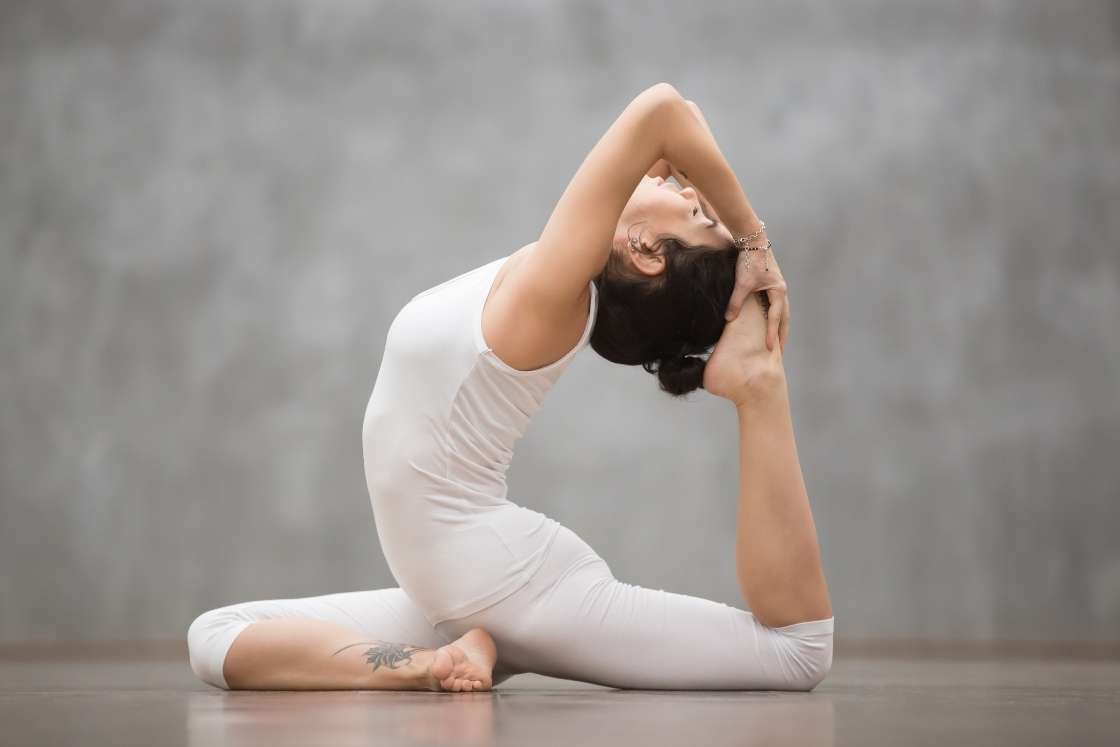
How to do it:
• First sit in a downward dog position.
• Place your right knee behind your right wrist and bring it forward.
• Lower your torso over your right leg by extending your left leg back.
• After 30 to 60 seconds of holding, switch sides.
Adjustment: If it feels too strenuous, put a cushion beneath your hip.
5. Bridge Pose (Setu Bandhasana)
Enhances spinal alignment by strengthening the hamstrings, glutes, and lower back.
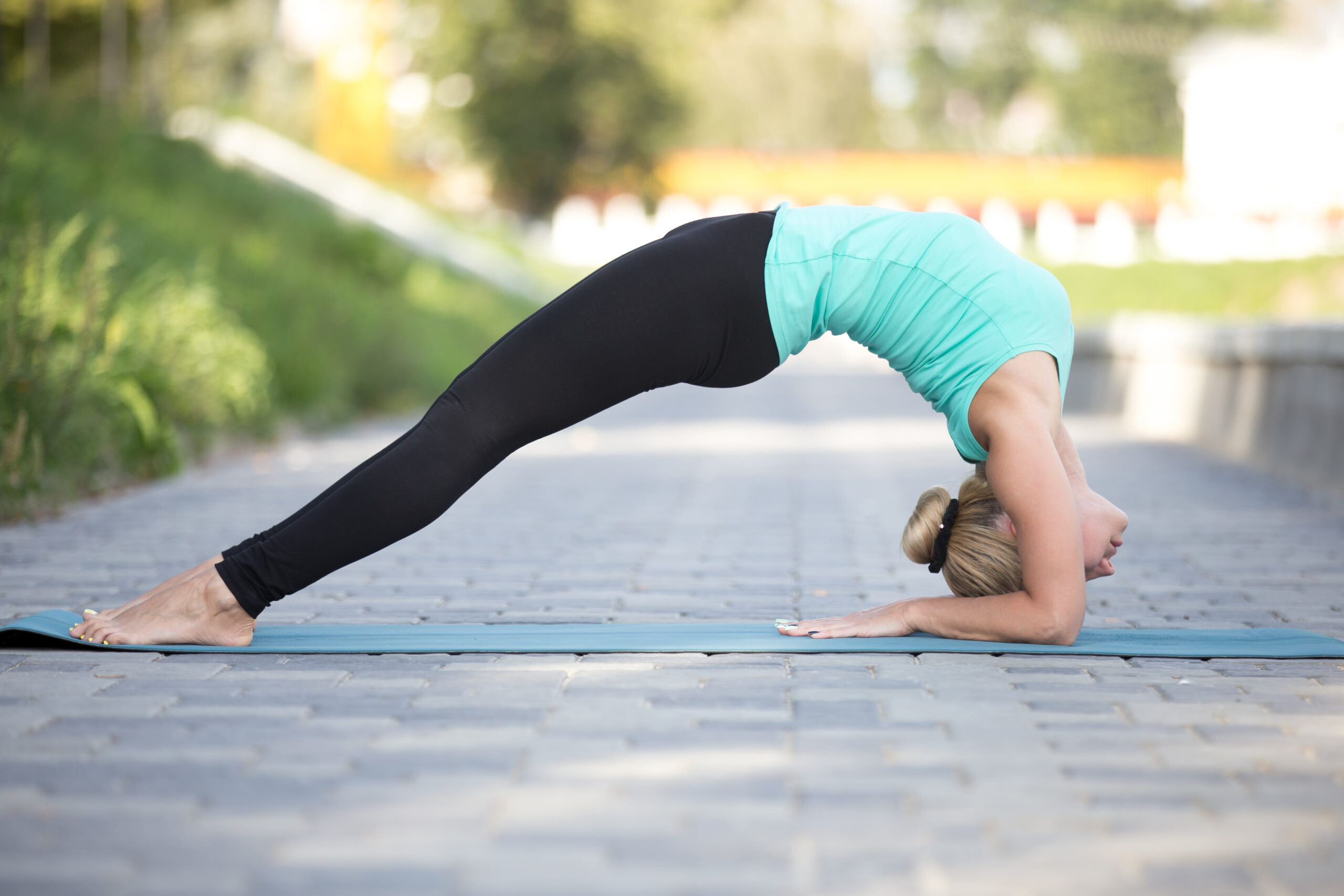
How to do it:
- Keep your feet hip-width apart, bend your knees, and lie on your back.
- Lift your hips towards the ceiling while pressing into your feet.
- Hold for 30 to 45 seconds, then do this two or three times.
Adjustment: For a supported bridge, place a yoga block beneath your sacrum.
6. Reclining Hand-to-Big-Toe Pose (Supta Padangusthasana)
Reduces sciatic nerve pain by gently stretching the lower back and hamstrings.
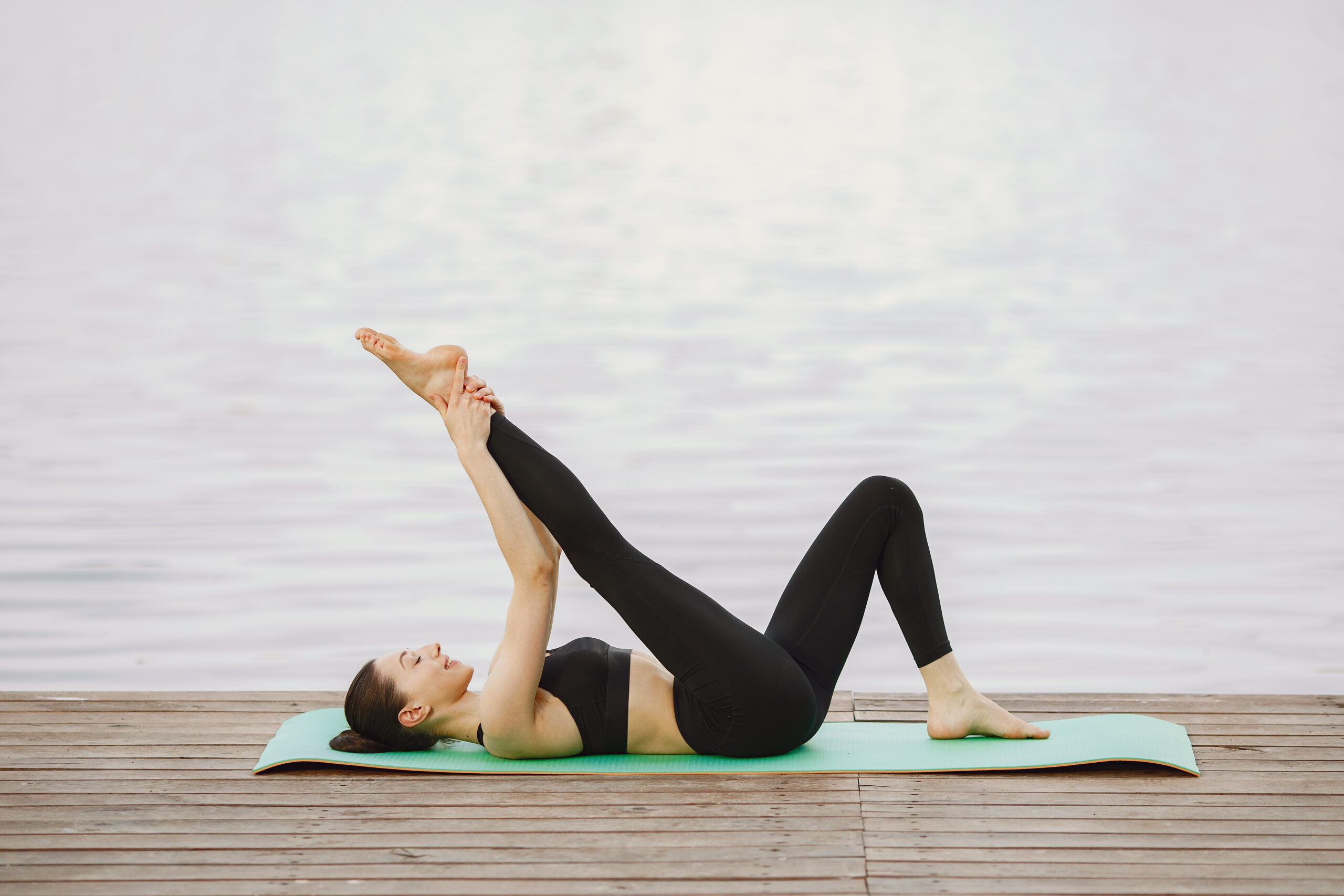
How to do it:
• Raise one leg while lying on your back.
• Use a strap around your foot or hold your big toe.
• For 30 seconds, hold the opposing leg grounded.
• Change sides.
Adjustment: Wrap a strap around your foot if you are unable to reach it.
7. Supine Spinal Twist (Supta Matsyendrasana)
Decompresses the lower back and eases spinal stiffness.
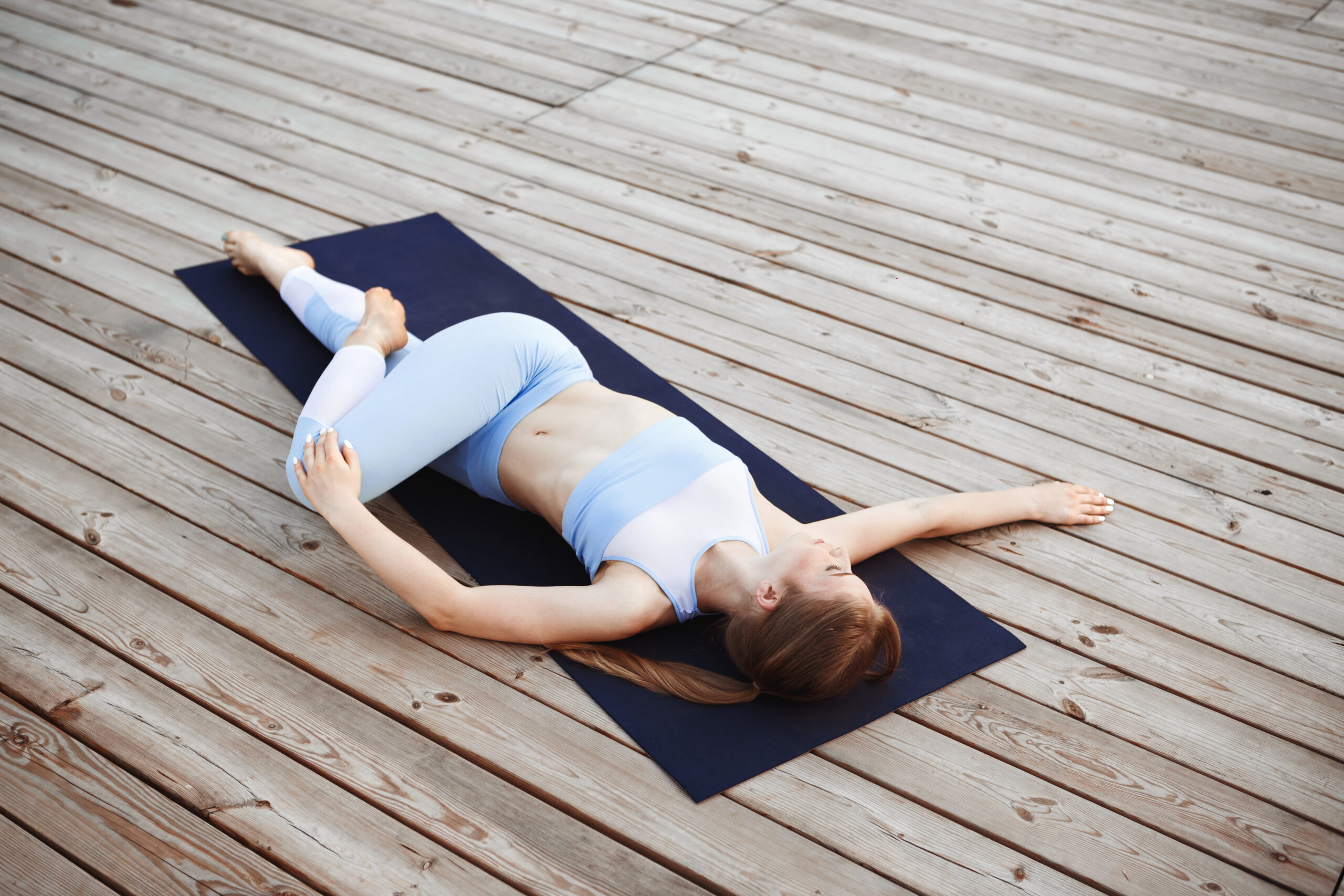
How to do it:
- Raise your right knee to your chest while lying on your back
- While keeping your shoulders grounded, drop it across your body.
- After 30 to 60 seconds of holding, switch sides.
Adjustment: If the knee does not touch the floor, place a pillow beneath it.
8. Cat-Cow Pose (Marjaryasana-Bitilasana)
Promotes better circulation and spinal mobility.
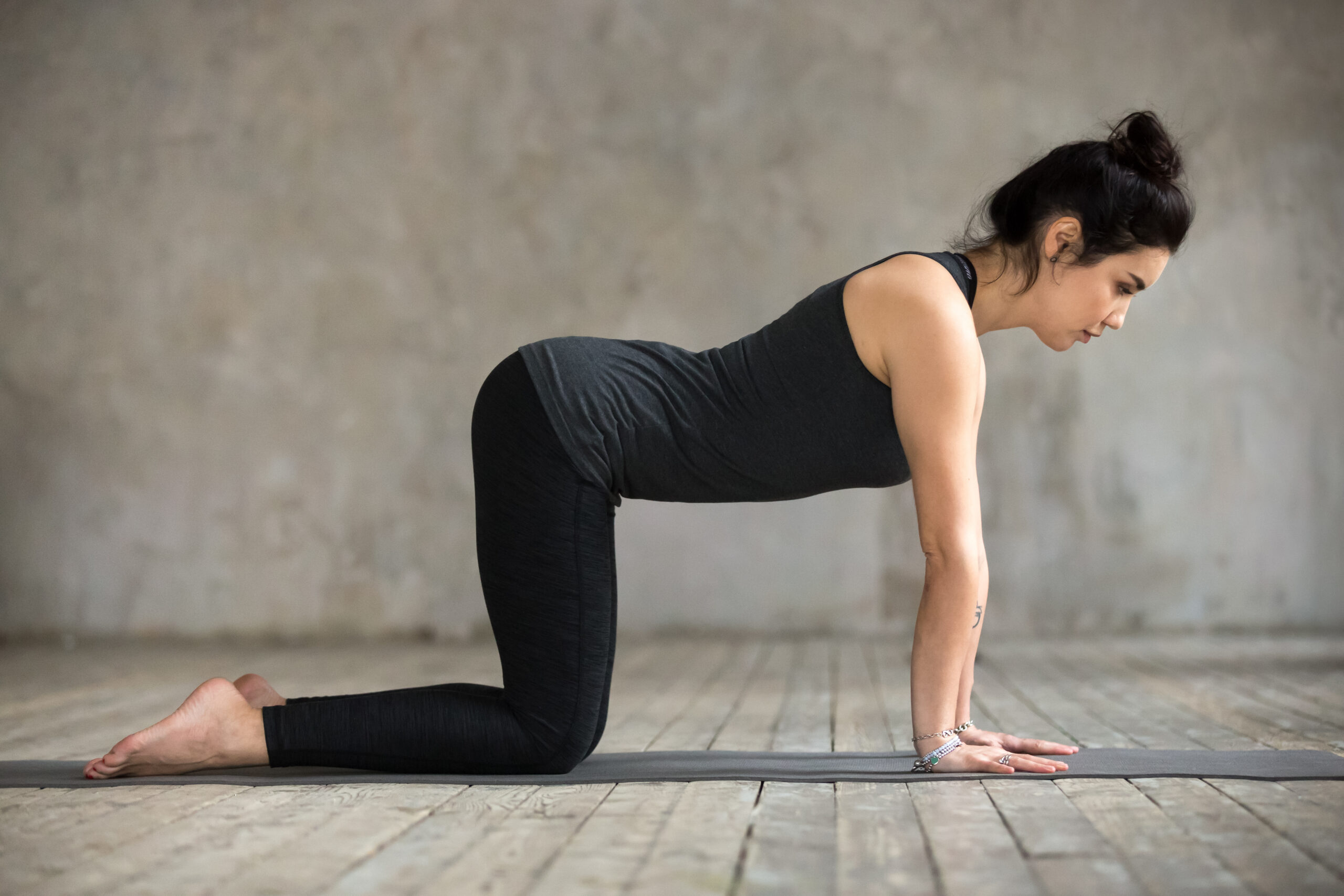
How to do it:
- Start in a tabletop position
- Take a breath, raise your head, and arch your back (Cow Pose).
- Exhale, tuck your chin into Cat Pose, and round your spine.
- Repeat in a slow, flowing motion for one to two minutes.
Adjustment: To prevent strain, move only what is comfortable.
9. Seated Forward Bend (Paschimottanasana)
Releases tension along the sciatic nerve and stretches the lower back and hamstrings.
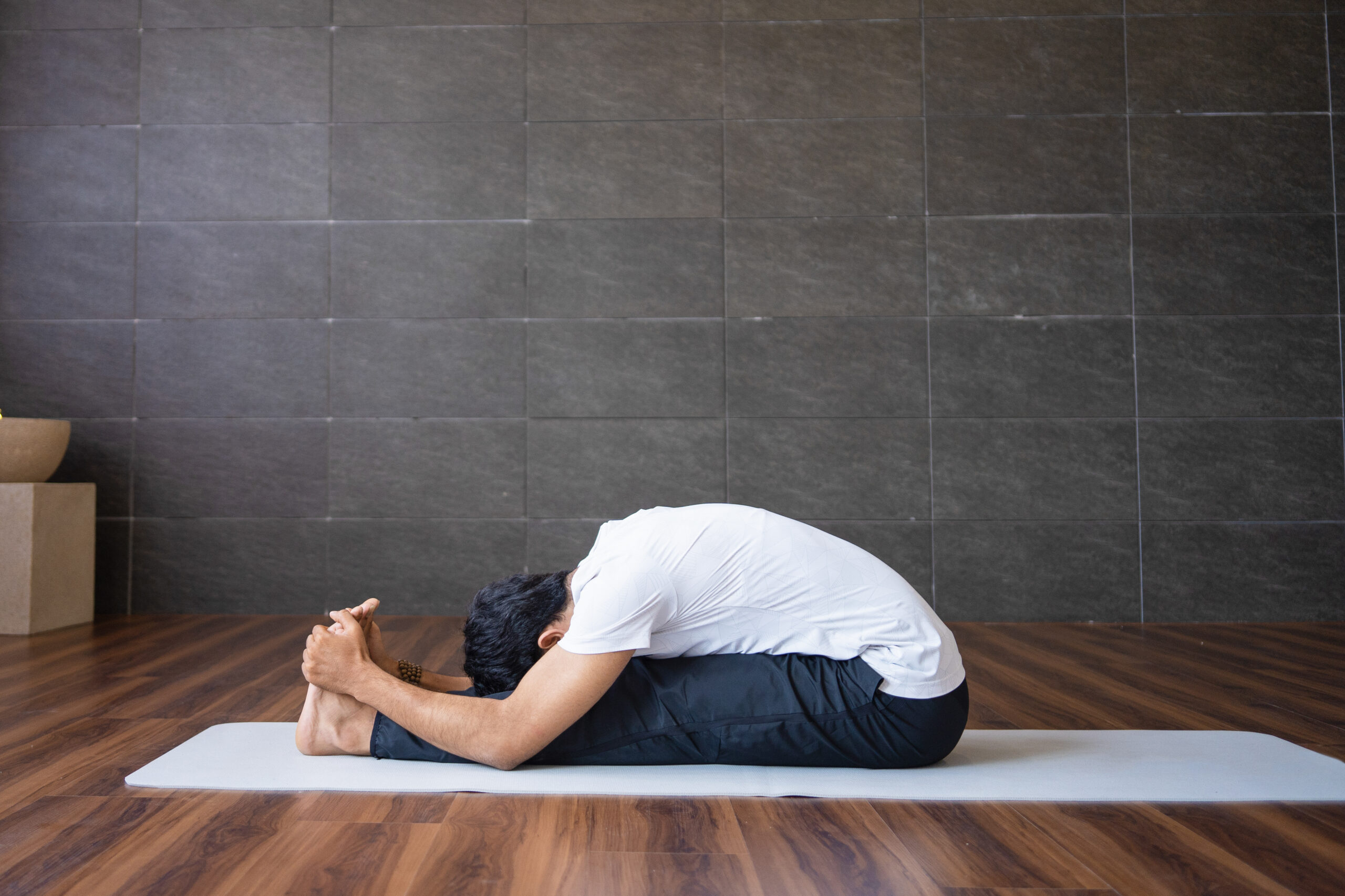
How to do it:
- Sit with your back straight and your legs outstretched.
- As you fold forward, take a breath, raise your arms, and release it.
- Hold for 30 to 60 seconds while taking deep breaths.
Adjustment: If your hamstrings are tight, keep your knees slightly bent.
10. Legs Up the Wall (Viparita Karani)
Encourages relaxation, lessens lower back strain, and increases circulation.
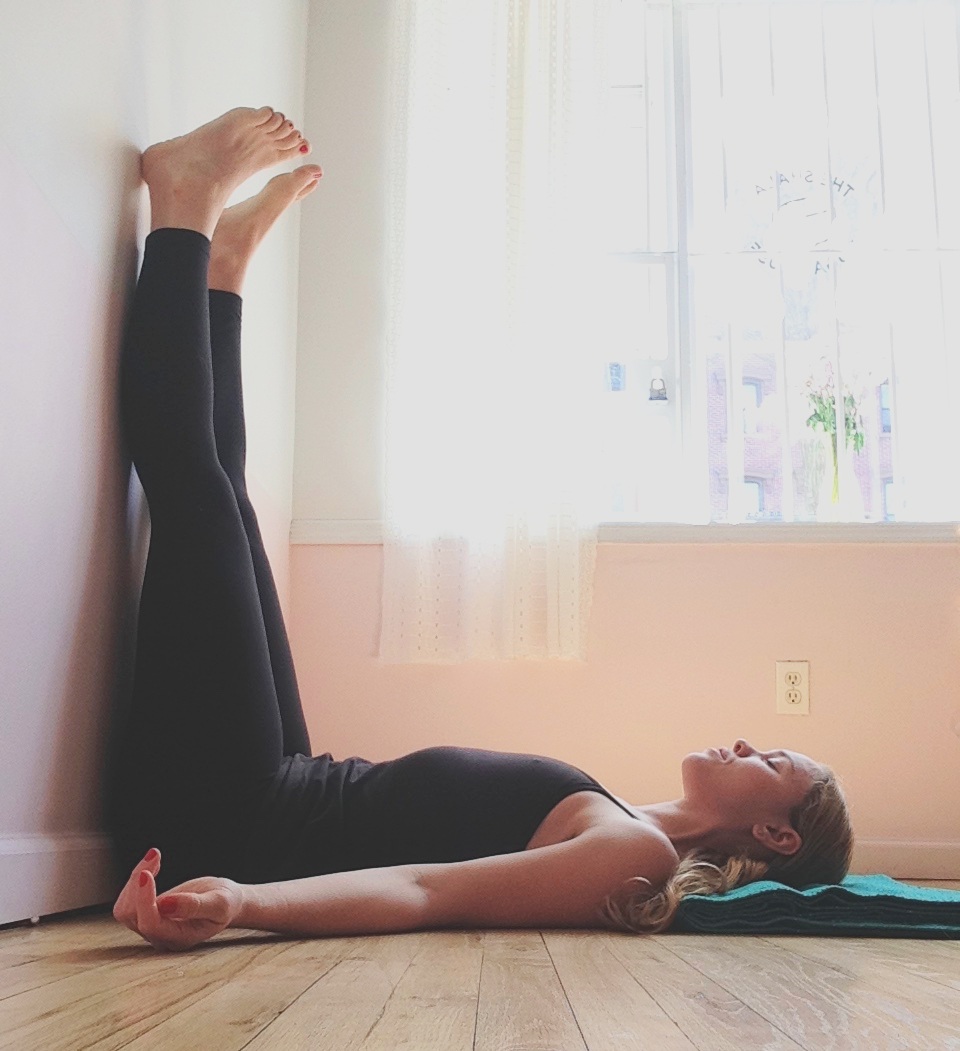
How to do it:
- Lean your legs against a wall while lying on your back.
- For a comfortable stretch, position your hips near the wall.
- Hold for three to five minutes, then unwind.
Adjustment: For added support, place a pillow beneath your hips.
Conclusion: Embrace a Pain-Free Life with Yoga
Your life doesn’t have to be controlled by sciatica pain. You can progressively lessen discomfort, increase flexibility, and develop a stronger, healthier spine by committing to this yoga practice for just thirty minutes each day.
Being consistent is essential; your body will appreciate you more the more you practise. Simple motions like walking, sitting, and bending will get easier and more comfortable with time. In addition to the physical advantages, this practice provides a mental and emotional reset that makes you feel more at ease, balanced, and in harmony with your body.
Don’t let sciatica limit your daily life. Our clinic offers comprehensive sciatica treatment combining expert diagnosis, personalized therapy, and advanced interventions to help you regain mobility and live pain-free. Book your consultation today to start your journey to recovery.
So take a deep breath, roll out your yoga mat, and start your journey toward a pain-free, more flexible, and energized life.



3 Responses