

Is Sciatica a Disability? Understanding Your Rights, Symptoms, and Limitations
Sciatica can make sitting, standing, walking, and even sleeping extremely painful. For some people, the condition causes mild discomfort that improves with rest and therapy. For others, it becomes a long-term problem that interferes with work, mobility, and daily life. This leads many people to ask an important question: Is sciatica a disability?
The answer depends on the severity of symptoms, how long the condition lasts, and how much it limits your ability to work or perform everyday activities. In some cases, severe chronic sciatica may qualify as a disability under workplace accommodation laws or disability benefit programs.
Is Sciatica a Disability? Quick Answer
Yes, sciatica can be considered a disability in severe cases if it significantly limits mobility, work ability, or daily functioning for an extended period. Mild or temporary sciatica usually does not qualify as a disability, but chronic sciatica with nerve damage, severe pain, weakness, or functional limitations may meet disability criteria depending on medical evaluation and local laws.
What Is Sciatica?
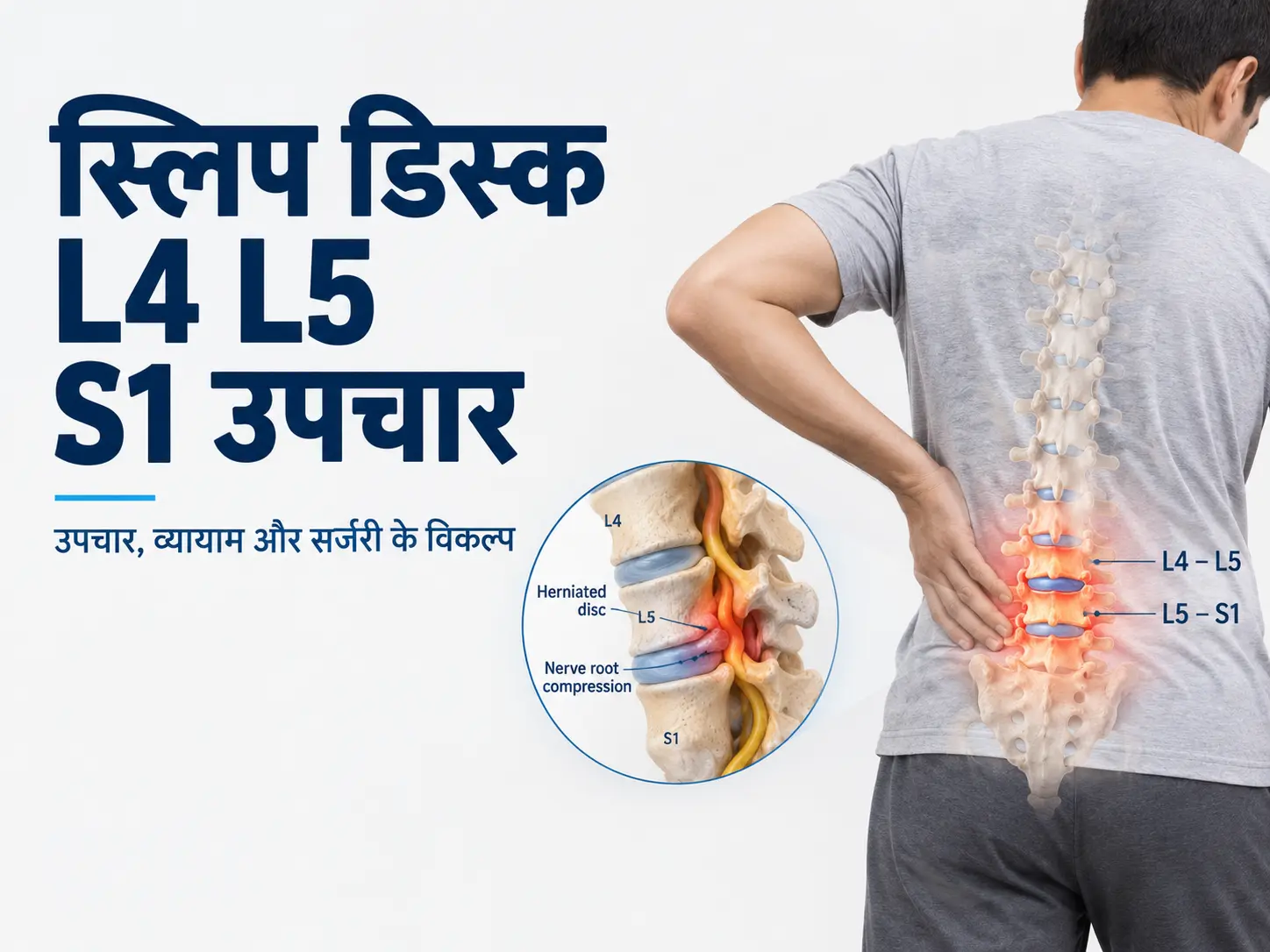
Sciatica is a condition caused by irritation or compression of the sciatic nerve, the largest nerve in the body.
Sciatic Nerve→Lower Back→Leg
The sciatic nerve travels from the lower spine through the hips and down each leg. When compressed or inflamed, it may cause:
- Sharp shooting pain
- Burning sensation
- Tingling
- Numbness
- Muscle weakness
- Difficulty walking or standing
If you are unfamiliar with the condition, this detailed guide on sciatica causes, symptoms, and treatments explains how sciatica develops and why symptoms can vary from person to person.
What Causes Sciatica?
Sciatica itself is not a disease. It is usually a symptom of an underlying spinal problem.
Common Causes
- Herniated disc
- Degenerative disc disease
- Spinal stenosis
- Piriformis syndrome
- Bone spurs
- Lumbar disc bulge
- Spinal injury
Some people confuse sciatica with ordinary back pain, but there are important differences between sciatica and lower back pain , especially when nerve symptoms are involved.
When Does Sciatica Become a Disability?
The key factor is functional limitation.
Sciatica May Be Considered a Disability If It:
- Prevents you from working
- Limits walking or standing
- Causes chronic severe pain
- Leads to muscle weakness
- Reduces mobility significantly
- Interferes with daily activities
- Requires long-term medical treatment
Common Severe Symptoms
- Persistent nerve pain
- Leg weakness
- Loss of balance
- Difficulty sitting for long periods
- Reduced range of motion
- Foot drop
- Severe numbness
People with chronic symptoms often ask does sciatica go away , especially when pain lasts for months despite conservative treatment.
Mild Sciatica vs Severe Sciatica
Mild Sciatica | Severe Sciatica |
Temporary discomfort | Chronic debilitating pain |
Occasional leg pain | Persistent nerve pain |
Minimal mobility issues | Walking difficulties |
Improves with rest | Pain despite treatment |
Usually manageable | Significant functional limitations |
Not every case of sciatica qualifies as a disability. The severity and duration matter significantly.
Symptoms That May Support Disability Claims
Physical Symptoms
- Chronic pain
- Numbness
- Weakness
- Reduced mobility
- Difficulty lifting
- Inability to sit or stand for long periods
Work-Related Limitations
- Reduced productivity
- Missed workdays
- Inability to perform physical tasks
- Difficulty commuting
- Limited concentration due to pain
Is Sciatica a Disability Under Workplace Laws?
In many countries, chronic medical conditions that substantially limit daily activities may qualify for workplace accommodations.
Possible Workplace Accommodations
- Ergonomic seating
- Standing desks
- Reduced lifting duties
- Flexible schedules
- Frequent movement breaks
- Remote work options
The exact legal definition depends on your country’s disability laws and employment regulations.
Can You Get Disability Benefits for Sciatica?
In severe cases, some individuals may qualify for disability benefits if:
- Symptoms are medically documented
- Conservative treatment failed
- Mobility is significantly impaired
- Work ability is reduced long term
Documentation Often Required
- MRI reports
- Neurological evaluations
- Medical records
- Physical therapy history
- Functional limitation assessments
How Sciatica Affects Daily Life
Understanding how debilitating sciatica can become helps answer the question: Is sciatica a disability?
Everyday Challenges
- Pain while driving
- Difficulty climbing stairs
- Trouble sleeping
- Reduced exercise capacity
- Difficulty sitting at work
- Walking limitations
For many people, even basic daily tasks become exhausting during severe flare-ups.
Common Jobs Most Affected by Severe Sciatica
High-Risk Occupations
- Construction workers
- Drivers
- Warehouse workers
- Nurses
- Factory workers
- Office workers sitting long hours
Can Sciatica Improve Without Surgery?
Yes, many cases improve with conservative treatment.
Common Non-Surgical Treatments
- Physical therapy
- Stretching exercises
- Pain medication
- Heat and cold therapy
- Lifestyle changes
- Epidural injections
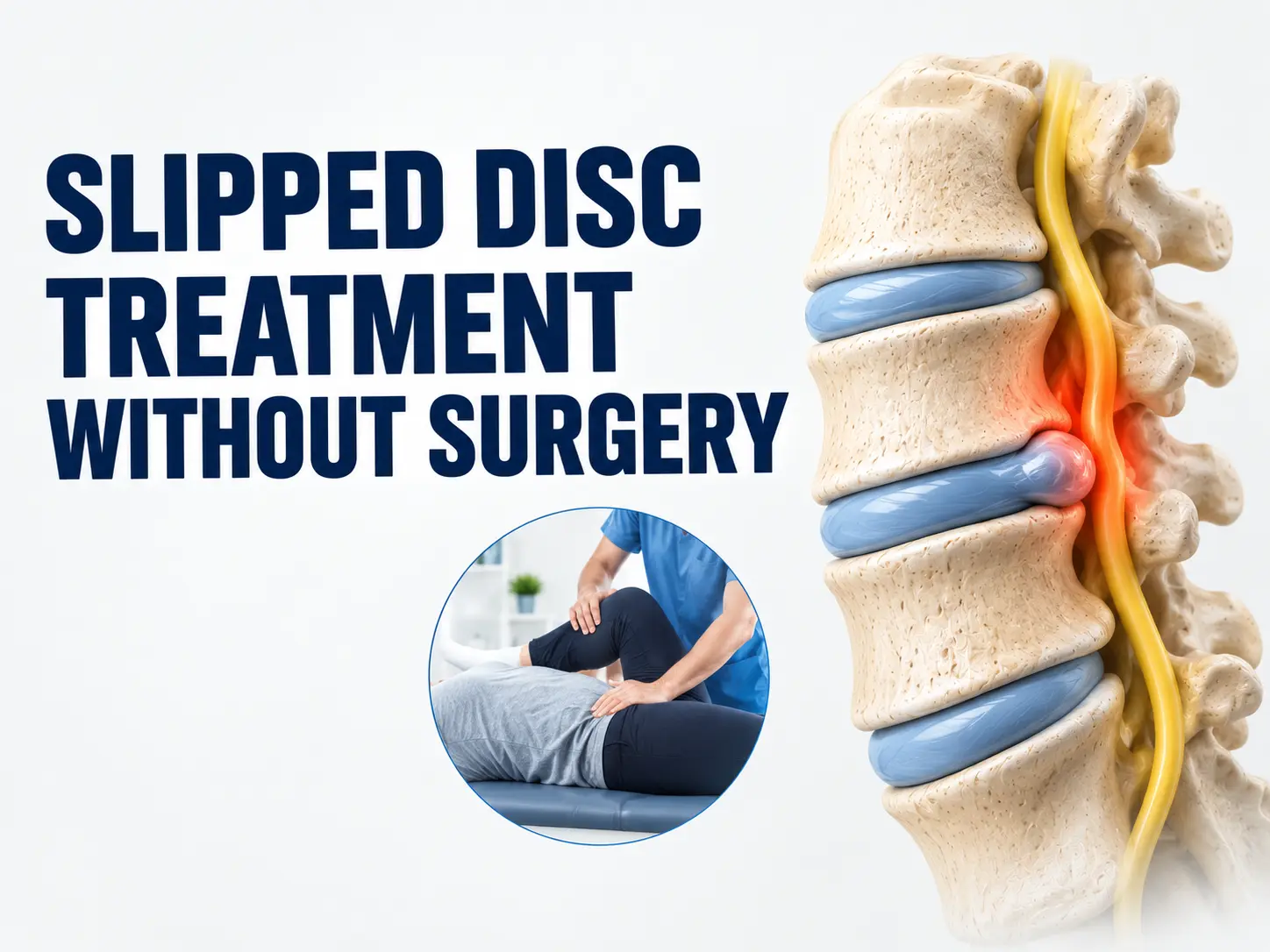
Many patients explore non-surgical treatments for sciatica and slip disc before considering surgery.
Benefits of Early Sciatica Treatment
Treating sciatica early may:
- Reduce nerve irritation
- Improve mobility
- Prevent chronic pain
- Reduce disability risk
- Improve quality of life
- Support faster recovery
Limitations and Challenges of Sciatica Recovery
While many people recover well, not all cases improve quickly.
Challenges
- Recurring flare-ups
- Slow nerve healing
- Sedentary lifestyle habits
- Poor posture
- Delayed treatment
- Chronic inflammation
Recovery timelines vary widely between individuals.
Real-World Example
A 45-year-old delivery driver developed severe sciatica from a lumbar disc herniation. Initially, symptoms included lower back pain and occasional leg tingling. Over time, the pain worsened, making driving and prolonged sitting difficult.
After several months:
- Walking became painful
- Sleep quality declined
- Work attendance decreased
The individual eventually required physical therapy, ergonomic modifications, and temporary work restrictions. With consistent treatment and rehabilitation, mobility gradually improved.
Step-by-Step Guide: What to Do If Sciatica Is Affecting Your Daily Life
Step 1: Seek Medical Evaluation
Proper diagnosis is essential to identify the underlying spinal issue.
Step 2: Document Symptoms
Keep records of:
- Pain severity
- Mobility limitations
- Missed workdays
- Functional challenges
Step 3: Start Conservative Treatment
Treatment may include:
- Physiotherapy
- Stretching
- Medication
- Lifestyle changes
Some people find additional relief with acupuncture at home for sciatica alongside medical treatment and rehabilitation exercises.
Step 4: Improve Movement and Flexibility
Gentle stretching may help reduce stiffness and nerve tension.
A structured yoga routine for sciatica relief may support flexibility, posture, and lower back mobility when performed safely
Step 5: Follow Long-Term Spine Care Habits
Recovery often depends on:
- Weight management
- Posture correction
- Activity modification
- Consistent exercise
Many people also try simple strategies for sciatica relief at home to manage symptoms naturally between therapy sessions.
Tools and Resources That Can Help
Helpful Tools
- Lumbar support cushions
- Ergonomic office chairs
- Foam rollers
- Heating pads
- Standing desks
Helpful Professionals
- Spine specialists
- Neurologists
- Physiotherapists
- Pain management experts
- Orthopedic doctors
Frequently Asked Questions
Is sciatica considered a permanent disability?
Not always. Many cases improve with treatment, but severe chronic sciatica causing long-term mobility limitations may be considered disabling.
Can you work with sciatica?
Many people continue working with mild sciatica, though severe cases may require modified duties, reduced sitting time, or medical leave.
How serious does sciatica need to be to qualify as a disability?
Sciatica generally becomes disabling when it significantly limits daily functioning, walking, standing, sitting, or work ability for an extended period.
Can sciatica cause leg weakness?
Yes. Severe nerve compression may lead to muscle weakness, numbness, or difficulty controlling leg movements.
Does surgery permanently cure sciatica?
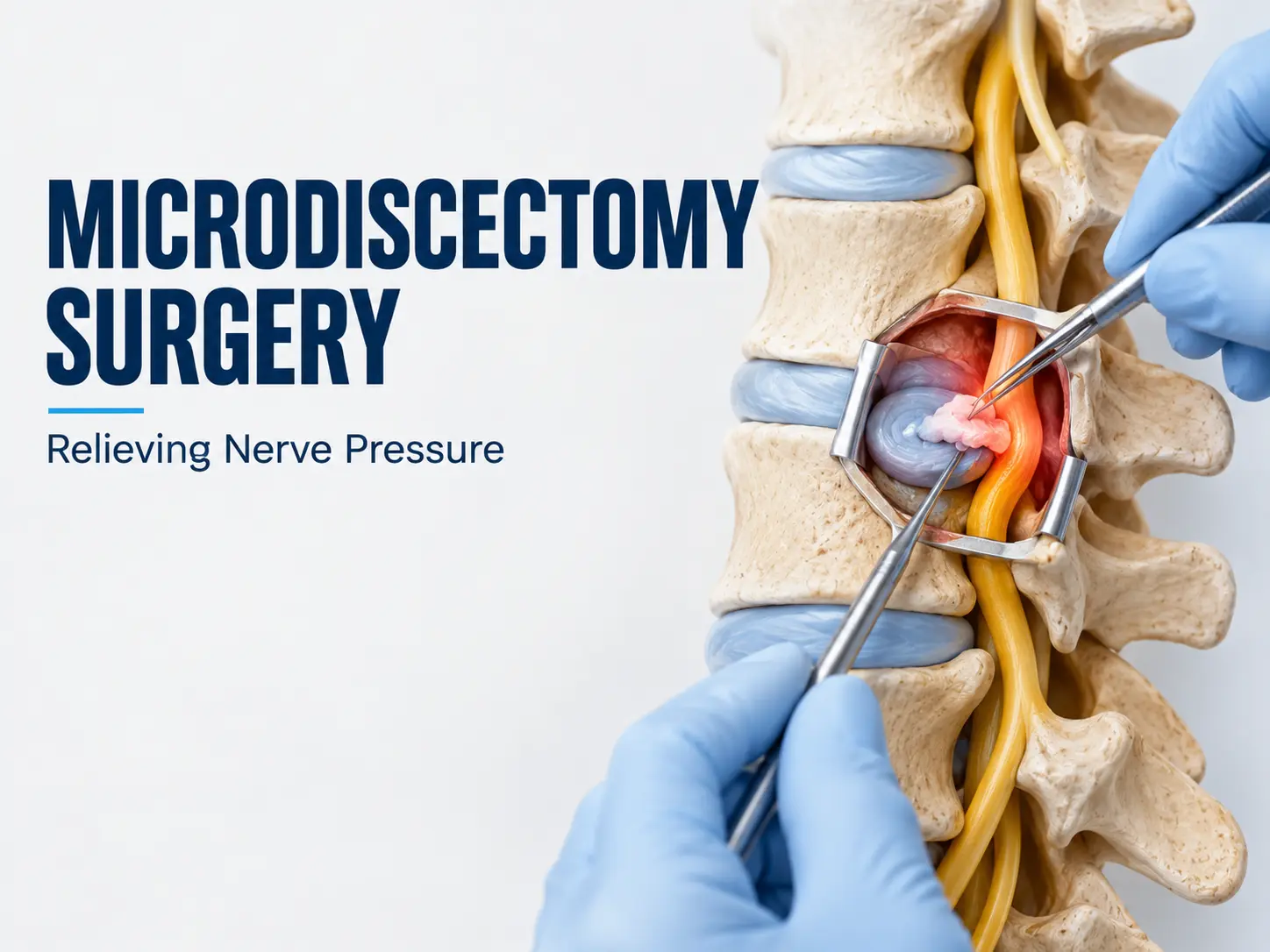
Surgery may relieve nerve compression in some cases, but recovery outcomes vary depending on the underlying condition and overall spinal health.
Can sciatica return after treatment?
Yes. Poor posture, heavy lifting, inactivity, or recurrent disc problems may cause future flare-ups.
When should I see a doctor for sciatica?
Seek medical attention if symptoms include severe pain, progressive weakness, numbness, balance problems, or loss of bladder or bowel control.
Conclusion
So, is sciatica a disability? The answer depends on the severity, duration, and impact of symptoms on daily life and work ability. Mild sciatica may improve with conservative treatment and lifestyle changes, while severe chronic sciatica can significantly limit mobility and functioning.
Early diagnosis, proper treatment, posture correction, and consistent rehabilitation may help reduce symptoms and improve quality of life. If your sciatica is interfering with work, walking, or everyday activities, consult a spine specialist or physiotherapist for a personalized evaluation and long-term treatment plan.


One Response