L5 S1 Disc Bulge Treatment: Complete Guide to Relief & Recovery
Lower back pain that shoots down your leg, numbness, or difficulty sitting for long hours can often be traced back to one common issue, the L5 S1 disc bulge. Because this disc bears maximum body weight and movement stress, it’s highly vulnerable to injury.
If you’ve been diagnosed recently, the most important question is: What is the best L5 S1 disc bulge treatment?
The good news is that most cases can be treated successfully without surgery, if addressed early and managed correctly. Understanding common L5 S1 disc bulge symptoms early can help you start treatment before the condition worsens.
Direct Answer: L5 S1 Disc Bulge Treatment
L5 S1 disc bulge treatment typically involves a combination of rest, physiotherapy, pain management, and lifestyle changes. In most cases, symptoms improve within weeks. Severe cases with nerve compression may require injections or surgery, but these are less common. Knowing the expected L5 S1 disc bulge recovery time can help set realistic expectations.
What is an L5 S1 Disc Bulge?
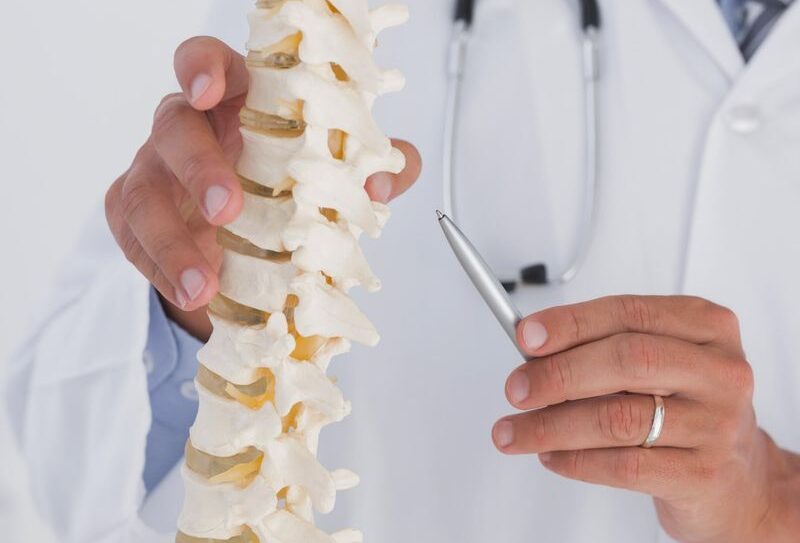
The L5-S1 disc sits at the base of your spine and absorbs shock during movements like walking, bending, and lifting.
A disc bulge occurs when:
- The outer disc weakens
- The inner material pushes outward
- Nearby nerves (like the sciatic nerve) may get compressed
This is why symptoms often include sciatica, leg pain, or tingling sensations.
L5 S1 Disc Bulge Treatment Options
1. Conservative Treatment (First-Line Approach)
Most doctors recommend non-surgical L5 S1 disc bulge treatment initially.
a. Rest & Activity Modification
Avoid heavy lifting
Limit prolonged sitting
Continue light movement (avoid complete bed rest)
b. Medications
NSAIDs (to reduce inflammation)
Muscle relaxants (for spasms)
Nerve pain medications (if needed)
c. Physiotherapy
This is the most important part of L5 S1 disc bulge treatment.
Includes:
Core strengthening exercises
Stretching routines
Posture correction techniques
McKenzie exercises (commonly recommended)
2. Advanced Non-Surgical Treatments
If pain persists beyond a few weeks:
a. Epidural Steroid Injections
Reduce inflammation around nerves
Provide temporary but significant relief
b. Chiropractic Care
May help in selected cases
Should be done cautiously under expert supervision
3. Surgical Treatment (Last Resort)
Surgery is considered only when:
Severe nerve compression
Loss of bladder/bowel control
Persistent pain beyond 3–6 months
Common Procedures:
Microdiscectomy
Laminectomy
Even in these cases, surgery is highly targeted and minimally invasive.
Comparison Table: Treatment Options
| Treatment Type | When Used | Effectiveness | Recovery |
|---|---|---|---|
| Rest & Medication | Early stage | Moderate | 2–4 weeks |
| Physiotherapy | Most cases | High | 4–12 weeks |
| Injections | Persistent pain | High (short-term) | Few weeks |
| Surgery | Severe cases | Very high | 6–12 weeks |
Benefits of Early L5 S1 Disc Bulge Treatment
Starting L5 S1 disc bulge treatment early offers clear advantages:
- Faster pain relief
- Reduced nerve damage risk
- Avoidance of surgery
- Improved mobility and function
- Lower recurrence rates
Limitations & Challenges
No treatment is perfect, and it’s important to be realistic:
- Pain relief may take time
- Some exercises may initially increase discomfort
- Recurrence is possible without lifestyle changes
- Not all patients respond equally to the same treatment
Real-World Example
- Case A: A 30-year-old IT professional starts physiotherapy within 10 days → significant improvement in 5 weeks
- Case B: A 42-year-old delays treatment → requires injections after 3 months
This highlights why early L5 S1 disc bulge treatment is critical.
Step-by-Step Treatment Plan
Step 1: Diagnosis
- Clinical evaluation
- MRI if required
Step 2: Pain Control
Medications
Ice/heat therapy
Step 3: Start Physiotherapy
Guided exercises
Posture correction
Step 4: Lifestyle Adjustment
Ergonomic workspace
Avoid prolonged sitting
Step 5: Follow-Up
Monitor progress
Adjust treatment plan
Tools & Support for Recovery
- Lumbar support belts
- Ergonomic chairs
- Standing desks
- Posture correction apps
- Spine tools checkup
Frequently Asked Questions
What is the best L5 S1 disc bulge treatment?
The best L5 S1 disc bulge treatment includes physiotherapy, posture correction, and pain management. Surgery is rarely required.
Can L5 S1 disc bulge heal without surgery
Yes, most cases improve with conservative treatment within weeks to months.
Is bed rest good for disc bulge?
Short rest is helpful, but prolonged bed rest can delay recovery.
How long does treatment take?
Typical recovery takes 4–12 weeks with proper L5 S1 disc bulge treatment.
What exercises should I avoid?
Avoid heavy lifting, high-impact workouts, and deep bending movements.
Can I work with a disc bulge?
Yes, with ergonomic adjustments and limited sitting time.
When should I see a doctor?
If pain persists, worsens, or causes numbness/weakness.
Conclusion: Choosing the Right L5 S1 Disc Bulge Treatment
The right L5 S1 disc bulge treatment can make a significant difference in your recovery journey. Most people improve without surgery, but only if they take early action.
Ignoring symptoms, poor posture, and delayed treatment can prolong pain and complications. A structured approach that includes physiotherapy, lifestyle changes, and medical guidance is key.


One Response