Does Scoliosis Get Worse With Age? What Adults Need to Know About Spine Changes Over Time
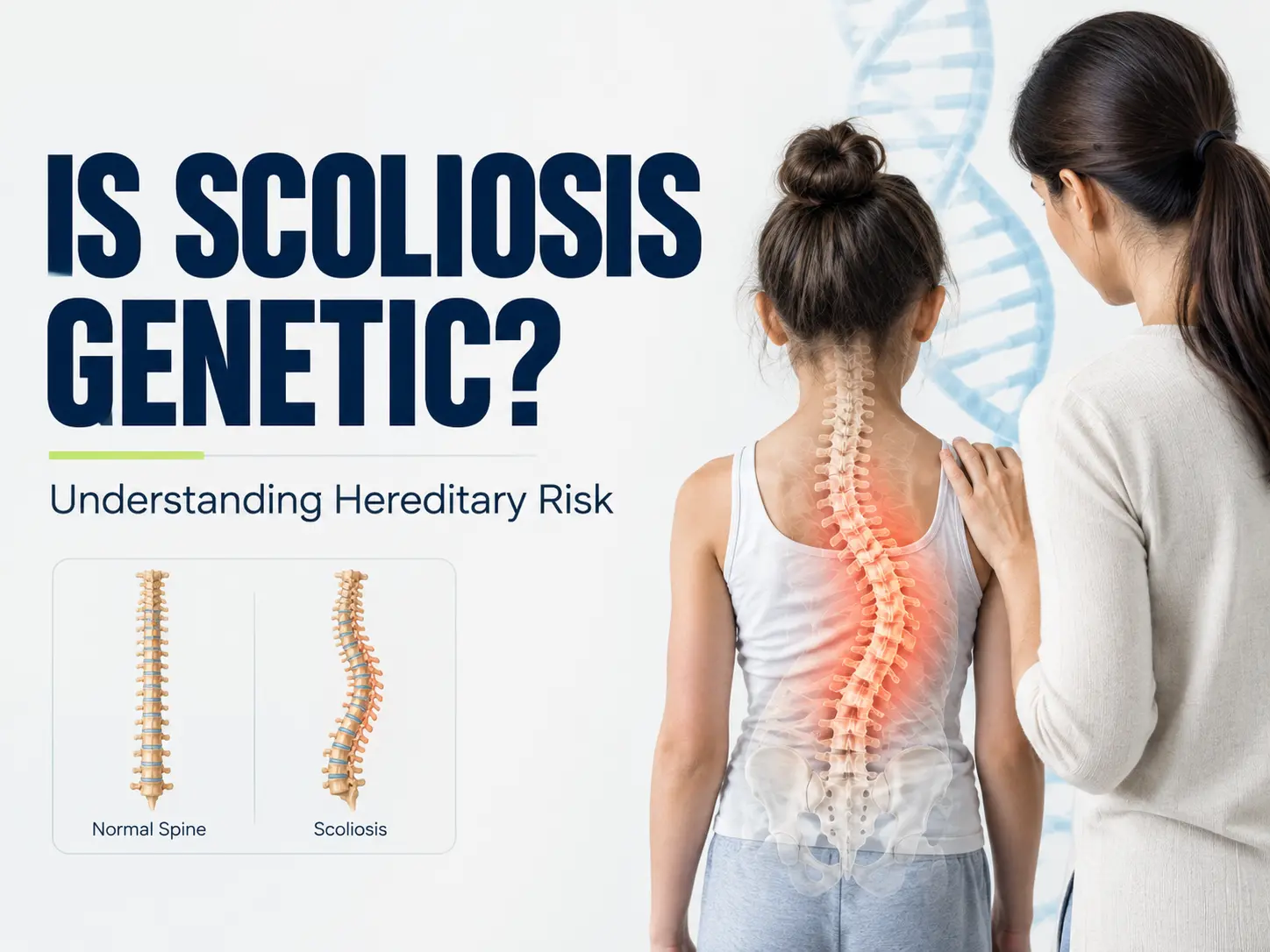
Many people believe scoliosis is only a teenage condition. However, adults across their 40s, 50s, and even 70s are increasingly being diagnosed with spinal curvature problems that affect posture, mobility, and quality of life. One of the most common questions patients ask spine specialists is: does scoliosis get worse with age?
The answer is often yes. In many adults, scoliosis can gradually worsen over time due to spinal degeneration, weak muscles, arthritis, osteoporosis, and disc wear. While mild curves may remain stable for years, moderate or severe scoliosis can progress and lead to chronic pain, stiffness, nerve compression, walking difficulty, and reduced independence if not managed properly.
The good news is that modern spine care, physiotherapy, targeted exercise, and early intervention can help slow progression and improve long-term spine health.
Quick Answer: Does Scoliosis Get Worse With Age?
Yes, scoliosis can worsen with age, especially in adults with degenerative spine changes or untreated spinal curves from adolescence. Ageing-related disc degeneration, osteoporosis, arthritis, and muscle weakness may increase spinal curvature over time. However, early diagnosis, exercise, physiotherapy, and expert spine care can help manage symptoms and slow progression.
What Is Scoliosis?
| Type | Description | Common Age Group |
|---|---|---|
| Idiopathic Scoliosis | Cause unknown | Teenagers |
| Congenital Scoliosis | Present at birth | Infants |
| Neuromuscular Scoliosis | Linked to neurological disorders | Children & Adults |
| Degenerative Scoliosis | Caused by age-related spinal wear | Adults over 40 |
Degenerative scoliosis is one of the fastest-growing spine conditions seen in older adults today.
Why Does Scoliosis Get Worse With Age?
The reason many people search for does scoliosis get worse with age is because symptoms often become more noticeable later in life. Even a mild spinal curve from youth may become painful decades later.
Several age-related factors contribute to progression.
1. Degenerative Disc Changes
As people age, spinal discs lose hydration, elasticity, and height. This creates uneven pressure across the spine and can increase spinal curvature.
Degenerative disc disease may also contribute to:
Lower back pain
Reduced flexibility
Stiffness
Nerve irritation
Muscle fatigue
Patients experiencing disc-related pain may also benefit from learning about the 4 stages of disc herniation and how degeneration affects spinal stability.
2. Arthritis in the Spine
Spinal arthritis causes inflammation and wear in the joints connecting the vertebrae. Over time, arthritis can destabilize spinal alignment and worsen scoliosis.
Common symptoms include:
Morning stiffness
Difficulty standing upright
Reduced range of motion
Persistent lower back pain
3. Osteoporosis and Bone Weakness
Bone density naturally decreases with age, particularly in women after menopause. Osteoporosis weakens the vertebrae, making the spine more vulnerable to curvature progression.
This is one major reason why does scoliosis get worse with age becomes especially relevant after age 50.
4. Weak Core Muscles
The muscles surrounding the spine help maintain posture and alignment. Ageing, inactivity, prolonged sitting, and lack of exercise can weaken these support structures.
Poor muscle support may accelerate:
Postural imbalance
Spinal instability
Chronic pain
Mobility limitations
Regular movement and targeted physiotherapy become increasingly important with age.
5. Untreated Childhood Scoliosis
Adults who were diagnosed with scoliosis during adolescence may experience progression later in life, especially if the spinal curve exceeded 30–40 degrees.
In many cases, patients remain symptom-free for years before degeneration begins triggering pain and imbalance.
Signs Your Scoliosis May Be Progressing
Not all scoliosis cases worsen significantly. However, certain symptoms suggest progression and should not be ignored.
Common Warning Signs
- Increasing back pain
- Uneven shoulders or hips
- Leaning to one side
- Height loss
- Difficulty standing for long periods
- Leg numbness or tingling
- Fatigue while walking
- Reduced mobility
- Visible posture changes
If scoliosis begins affecting nerves, patients may also experience radiating leg pain similar to sciatica. Understanding spinal nerves and back pain can help explain why nerve symptoms occur.
Does Mild Scoliosis Get Worse With Age?
Mild scoliosis often remains stable for years, particularly when the curve is below 20 degrees. However, progression is still possible depending on:
- Bone health
- Lifestyle
- Weight
- Activity levels
- Muscle strength
- Menopause
- Existing spinal degeneration
Even mild scoliosis may become painful with aging because of joint stress and muscle imbalance.
So while progression varies between individuals, the answer to does scoliosis get worse with age is still yes for many adults.
Adult Scoliosis vs Adolescent Scoliosis
| Factor | Adolescent Scoliosis | Adult Scoliosis |
|---|---|---|
| Main Cause | Growth spurts | Degeneration |
| Pain Level | Often painless | Frequently painful |
| Progression | During growth years | Slow progression over decades |
| Treatment | Bracing & monitoring | Therapy, injections, surgery |
| Associated Issues | Cosmetic concerns | Pain & nerve compression |
Can Scoliosis Cause More Pain as You Age?
Yes. Pain is one of the most common symptoms in adults with scoliosis.
As spinal curvature progresses, abnormal pressure develops on:
- Spinal discs
- Facet joints
- Muscles
- Ligaments
- Nerves
This may lead to:
- Chronic lower back pain
- Neck pain
- Muscle spasms
- Sciatica symptoms
- Difficulty walking
- Reduced stamina
Patients with radiating nerve pain often explore therapies like acupuncture at home for sciatica relief or gentle movement programs, such as a yoga routine for sciatica relief.
Does Scoliosis Get Worse With Age After 40?
Many adults first notice scoliosis symptoms after age 40 because spinal degeneration accelerates during this period.
Several factors increase progression risk:
- Sedentary lifestyle
- Weight gain
- Poor posture
- Desk jobs
- Reduced flexibility
- Disc degeneration
- Osteoporosis
Modern work habits involving prolonged sitting can significantly increase spinal stress over time.
Maintaining a spine-friendly diet for disc health may also support overall spinal function and reduce inflammation.
How Fast Does Scoliosis Progress in Adults?
Progression speed varies greatly from person to person.
General Progression Patterns
| Curve Severity | Possible Progression |
|---|---|
| Mild | May remain stable |
| Moderate | Slow worsening over years |
| Severe | Faster progression possible |
In some adults, curves may worsen by 1–3 degrees annually, particularly when degeneration is advanced.
Best Exercises for Adult Scoliosis
- Core Strengthening: Strong core muscles help stabilise the spine.
- Stretching Exercises: Stretching reduces muscular tightness and improves flexibility.
- Physiotherapy Programs: Targeted scoliosis rehabilitation can improve posture awareness and movement control.
- Yoga and Mobility Training: Gentle movement therapy may reduce stiffness and improve body alignment.
Many adults with neck and upper spine issues also benefit from cervical spondylosis exercises and guided yoga for cervical spondylosis programs.
When Is Surgery Needed?
Surgery may be considered if:
- Curves continue worsening
- Pain becomes disabling
- Nerves are compressed
- Walking becomes difficult
- Non-surgical treatment fails
Advanced spine surgery today focuses on improving alignment, stability, and mobility while reducing recovery complications. Patients researching surgical outcomes often look at scoliosis surgery before and after results to better understand recovery, posture correction, and quality-of-life improvements after treatment.
Frequently Asked Questions
What are 5 symptoms of scoliosis?
- Uneven shoulders
- One hip appearing higher than the other
- Visible spinal curvature
- Back pain or stiffness
- Leaning to one side while standing
What will happen if you have scoliosis?
The effects of scoliosis depend on the severity of the spinal curve. Mild scoliosis may cause few symptoms, while moderate or severe scoliosis can lead to chronic back pain, posture imbalance, nerve compression, reduced mobility, and breathing difficulties in advanced cases. Early diagnosis and treatment can help prevent complications.
Can scoliosis go back to normal?
Mild scoliosis in children may improve with growth and treatment, but adult scoliosis usually does not completely return to a perfectly straight spine without surgical correction. However, physiotherapy, exercise, bracing, and proper spine care can significantly improve posture, reduce pain, and slow progression.
What organ is most affected by scoliosis?
In severe scoliosis cases, the lungs are often the most affected organs. Significant spinal curvature can reduce chest space and affect breathing capacity. In very advanced cases, heart function may also be impacted due to pressure changes within the chest cavity.
Is scoliosis 100% curable?
Scoliosis is not always 100% curable, especially in adults. However, many people successfully manage the condition through exercise, physiotherapy, posture correction, and medical treatment. In some severe cases, surgery can significantly improve spinal alignment and quality of life.
What is the best age to treat scoliosis?
The best age to treat scoliosis is usually during childhood or adolescence, especially before skeletal growth is complete. Early treatment can help prevent curve progression. However, adults with scoliosis can also benefit from timely diagnosis, physiotherapy, pain management, and advanced spine treatment when needed.
Conclusion: Does Scoliosis Get Worse With Age?
So, does scoliosis get worse with age? In many adults, yes—especially when spinal degeneration, arthritis, osteoporosis, and muscular weakness are involved. However, progression is not inevitable, and timely treatment can make a major difference in preserving mobility and quality of life.
Early diagnosis, physiotherapy, targeted exercise, posture correction, and evidence-based spine care can help many patients manage symptoms successfully for years.
At We Are Spine, our mission is to elevate spine care standards in India through clinical excellence, ethical practice, and innovation. Our team combines advanced technology, research-driven treatment, and compassionate care to deliver personalized solutions for every patient.
If you are experiencing worsening back pain, posture changes, or scoliosis symptoms, consulting an experienced spine specialist early may help prevent long-term complications and support a healthier future for your spine.