
L5 S1 Disc Bulge Symptoms: Early Warning Signs You Shouldn’t Ignore
Lower back pain is often dismissed as a minor issue, but when it starts radiating down your leg or causes numbness, it may point to something more serious like an L5 S1 disc bulge.
Recognizing L5 S1 disc bulge symptoms early is crucial. Delayed diagnosis can lead to nerve damage, chronic pain, and longer recovery time. This guide will help you clearly identify symptoms, understand their severity, and know when to seek help.
Direct Answer: L5 S1 Disc Bulge Symptoms
L5 S1 disc bulge symptoms typically include lower back pain, sciatica (radiating leg pain), numbness, tingling, and muscle weakness. Symptoms often worsen with sitting, bending, or lifting and may improve with rest or posture correction.
What is an L5 S1 Disc Bulge?
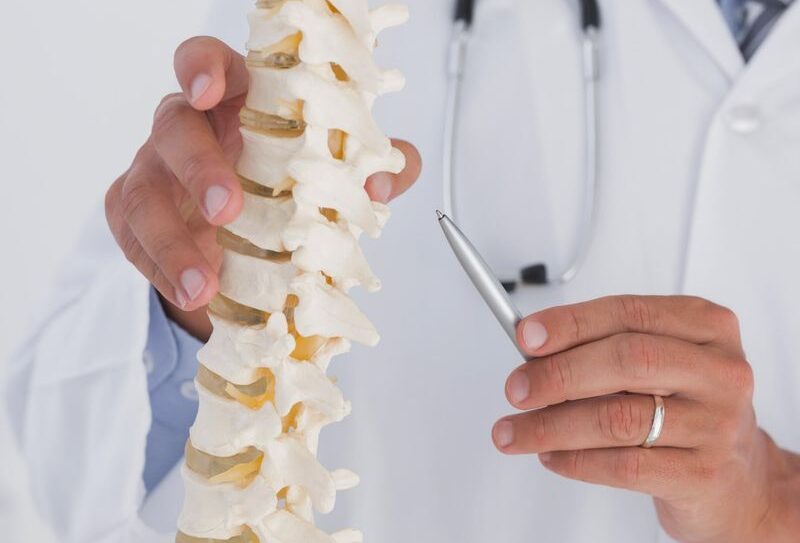
The L5-S1 disc is located at the base of the spine, where the lumbar spine meets the sacrum. This area absorbs maximum stress from daily activities like walking, sitting, and lifting.
A disc bulge occurs when:
- The outer layer weakens
- The disc protrudes outward
- It presses on nearby nerves (especially the sciatic nerve)
This pressure leads to the most common L5 S1 disc bulge symptoms.
Common L5 S1 Disc Bulge Symptoms
1. Lower Back Pain
Persistent or intermittent pain in the lower back
Can range from dull ache to sharp discomfort
Often worsens after long sitting or standing
Sciatica (Radiating Leg Pain)
One of the most defining L5 S1 disc bulge symptoms.
Pain travels from lower back → buttock → leg → foot
Usually affects one side of the body
Can feel like burning, shooting, or electric pain
Numbness and Tingling
“Pins and needles” sensation in the leg or foot
Indicates nerve involvement
May come and go or become constant
Muscle Weakness
Weakness in legs or feet
Difficulty lifting the foot (foot drop in severe cases)
Trouble walking or climbing stairs
Pain While Sitting or Bending
Sitting increases disc pressure
Bending forward may worsen symptoms
Long desk hours can aggravate condition
Early vs Severe Symptoms (Comparison Table)
| Stage | Symptoms |
|---|---|
| Early | Mild back pain, stiffness, occasional discomfort |
| Moderate | Radiating pain, numbness, tingling |
| Severe | Muscle weakness, persistent sciatica, reduced mobility |
Understanding the progression helps identify L5 S1 disc bulge symptoms before they worsen.
Why L5 S1 Disc Bulge Symptoms Occur
The symptoms are primarily caused by nerve compression.
Main Reasons:
Disc pressing on sciatic nerve
Inflammation around spinal nerves
Reduced disc cushioning
This explains why L5 S1 disc bulge symptoms often involve both back and leg pain.
Factors That Can Worsen Symptoms
Certain habits can intensify L5 S1 disc bulge symptoms:
- Prolonged sitting (especially desk jobs)
- Poor posture
- Heavy lifting
- Sudden twisting movements
- Lack of physical activity
Benefits of Early Symptom Recognition
Identifying L5 S1 disc bulge symptoms early can:
- Prevent nerve damage
- Reduce recovery time
- Avoid surgery
- Improve treatment outcomes
- Maintain mobility
Limitations & Diagnostic Challenges
While symptoms are helpful, they are not always definitive:
- Similar symptoms may occur in sciatica or muscle strain
- Pain intensity doesn’t always reflect severity
- Imaging (MRI) may be required for confirmation
- Some patients may have minimal symptoms despite disc bulge
Real-World Example
- Case 1: A 29-year-old notices mild lower back pain → ignores it → develops leg pain within weeks
- Case 2: A 40-year-old identifies early symptoms → starts physiotherapy → prevents progression
This shows how awareness of L5 S1 disc bulge symptoms can change outcomes significantly.
Step-by-Step: What To Do If You Notice Symptoms
Step 1: Monitor Your Pain
Track location, intensity, and triggers
Step 2: Modify Activities
Avoid prolonged sitting and heavy lifting
Step 3: Start Basic Care
Use ice/heat and gentle stretching
Step 4: Consult a Specialist
Get clinical evaluation and imaging if needed
Step 5: Begin Treatment
Follow physiotherapy and medical advice
When to See a Doctor Immediately
Seek urgent medical attention if you notice:
- Severe weakness in legs
- Loss of bladder or bowel control
- Persistent numbness
- Unbearable pain
These could indicate serious nerve compression.
Frequently Asked Questions
What are the first L5 S1 disc bulge symptoms?
Early L5 S1 disc bulge symptoms include mild lower back pain, stiffness, and discomfort after sitting.
Does L5 S1 disc bulge always cause leg pain?
Not always, but leg pain (sciatica) is a common symptom when nerves are compressed.
Can symptoms come and go?
Yes, L5 S1 disc bulge symptoms can fluctuate depending on activity and posture.
Are symptoms worse at night?
They can worsen due to poor sleeping posture or prolonged inactivity.
Conclusion: Don’t Ignore L5 S1 Disc Bulge Symptoms
Recognizing L5 S1 disc bulge symptoms early can prevent long-term complications and speed up recovery. What starts as mild back pain can quickly progress into nerve-related issues if left untreated.
The key is awareness and timely action. If you’re experiencing persistent pain, tingling, or weakness, don’t ignore it.