
Pain in Upper Left Back: Causes, Symptoms & Treatment
Pain in upper left back is a common complaint that can affect people of all ages. The discomfort may appear suddenly after physical activity or gradually develop because of posture-related strain, muscle tension, or spine-related problems. Some people experience mild stiffness, while others may feel sharp pain, burning sensations, or restricted movement.
The upper back, also known as the thoracic spine, supports the shoulders, neck, and rib cage. Because several muscles, joints, ligaments, and nerves are connected in this area, pain in upper left back can develop from multiple causes. Long working hours, poor posture, stress, lack of exercise, and repetitive movements are among the most common contributors.
In many cases, pain in upper left back improves with rest, posture correction, physiotherapy, and exercises. However, persistent symptoms should not be ignored, especially if the pain is associated with numbness, weakness, chest discomfort, or breathing difficulty.
Understanding the possible causes and symptoms of pain in upper left back can help patients seek timely treatment and prevent long-term complications.
What Does Pain in Upper Left Back Mean?
Pain in upper left back refers to discomfort felt on the left side of the upper thoracic region, usually between the neck and lower rib cage. The pain may involve muscles, spinal joints, discs, nerves, or connective tissues.
Some people describe pain in upper left back as:
- A dull ache
- Sharp stabbing pain
- Burning discomfort
- Tightness around the shoulder blade
- Muscle spasms
- Pain during movement
The discomfort may remain localized or spread to nearby areas such as:
- Neck
- Left shoulder
- Arm
- Chest
- Shoulder blade
- Upper ribs
The severity and duration of pain in upper left back often depend on the underlying cause.
Common Causes of Pain in Upper Left Back
Several medical and lifestyle-related conditions can contribute to pain in upper left back.
1. Muscle Strain
Muscle strain is one of the most common causes of pain in upper left back. Lifting heavy objects, repetitive arm movements, poor sleeping posture, or sudden twisting motions may strain the upper back muscles.
Common symptoms include:
- Muscle tightness
- Tenderness
- Pain while moving
- Stiffness after rest
Muscle-related pain in upper left back usually improves with stretching, rest, and physiotherapy.
2. Poor Posture
Poor posture places excessive stress on the upper spine and surrounding muscles. Sitting for long hours with rounded shoulders or forward head posture can lead to chronic pain in upper left back.
People working on computers or mobile devices for extended periods are especially prone to posture-related upper back pain.
3. Cervical Spine Problems
Conditions such as cervical spondylosis or cervical disc degeneration can sometimes cause referred pain in upper left back. Nerve irritation in the neck may spread pain toward the shoulder blade and upper thoracic area.
Symptoms may include:
- Neck stiffness
- Tingling in the arm
- Headaches
- Shoulder discomfort
4. Pinched Nerve
Compression of spinal nerves can cause pain in upper left back along with numbness, burning sensations, or weakness in the arm.
A pinched nerve may develop because of:
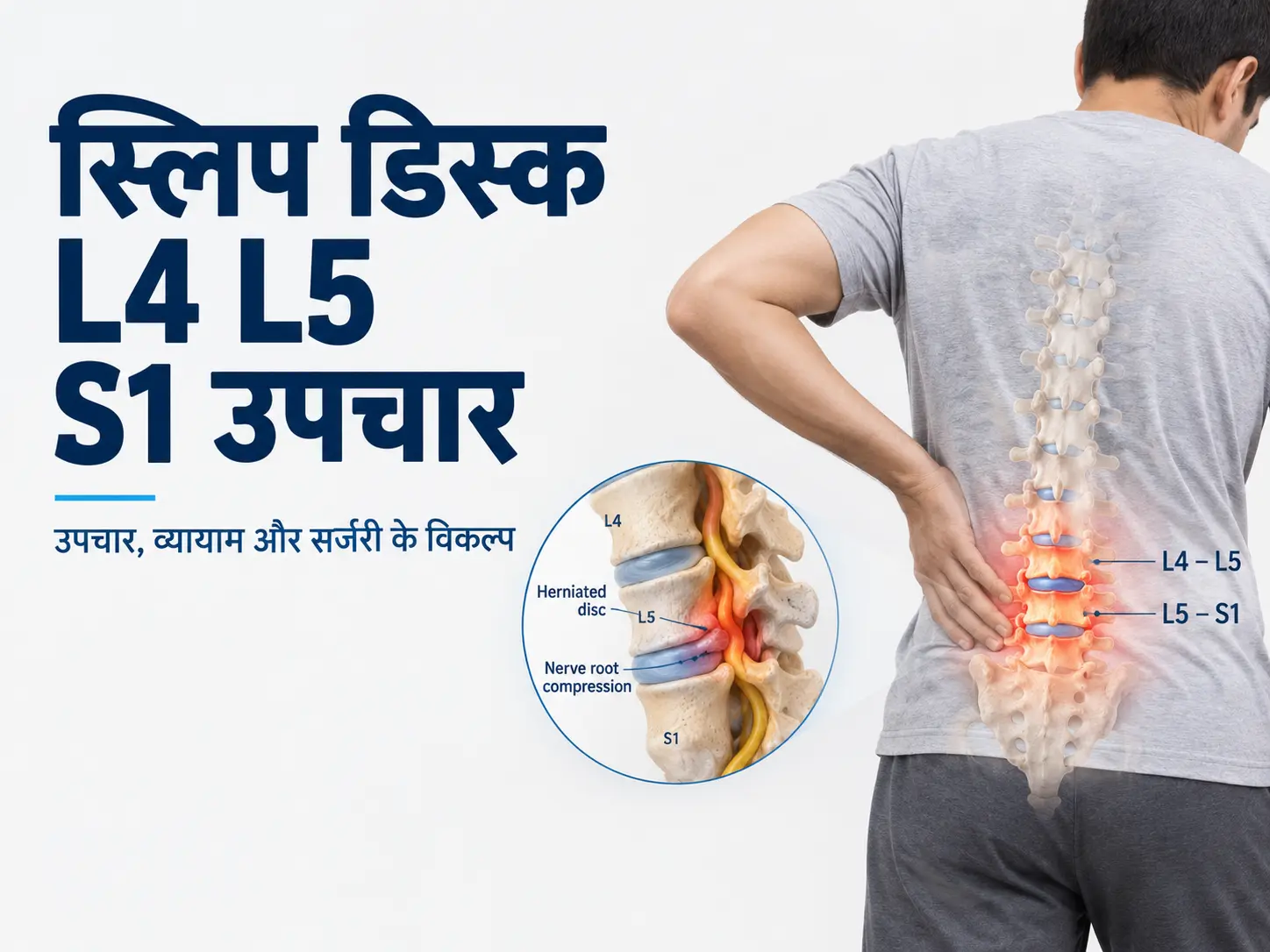
- Herniated discs
- Bone spurs
- Degenerative spine conditions
5. Thoracic Spine Problems
The thoracic spine itself may contribute to pain in upper left back. Disc problems, joint inflammation, or spinal degeneration in the upper back region can trigger chronic discomfort.
6. Stress and Muscle Tension
Stress is another major cause of pain in upper left back. Emotional stress often leads to tightening of muscles around the neck, shoulders, and upper back.
This may result in the:
- Tight muscles
- Trigger points
- Shoulder stiffness
- Persistent aching pain
7. Shoulder Blade Dysfunction
Weakness or imbalance around the shoulder blade muscles may affect posture and movement patterns, contributing to pain in upper left back.
Patients may notice:
- Clicking sensations
- Pain near the shoulder blade
- Weakness during lifting
- Difficulty maintaining posture
8. Osteoarthritis
Age-related wear and tear in spinal joints may cause stiffness and chronic pain in upper left back, particularly in older adults.
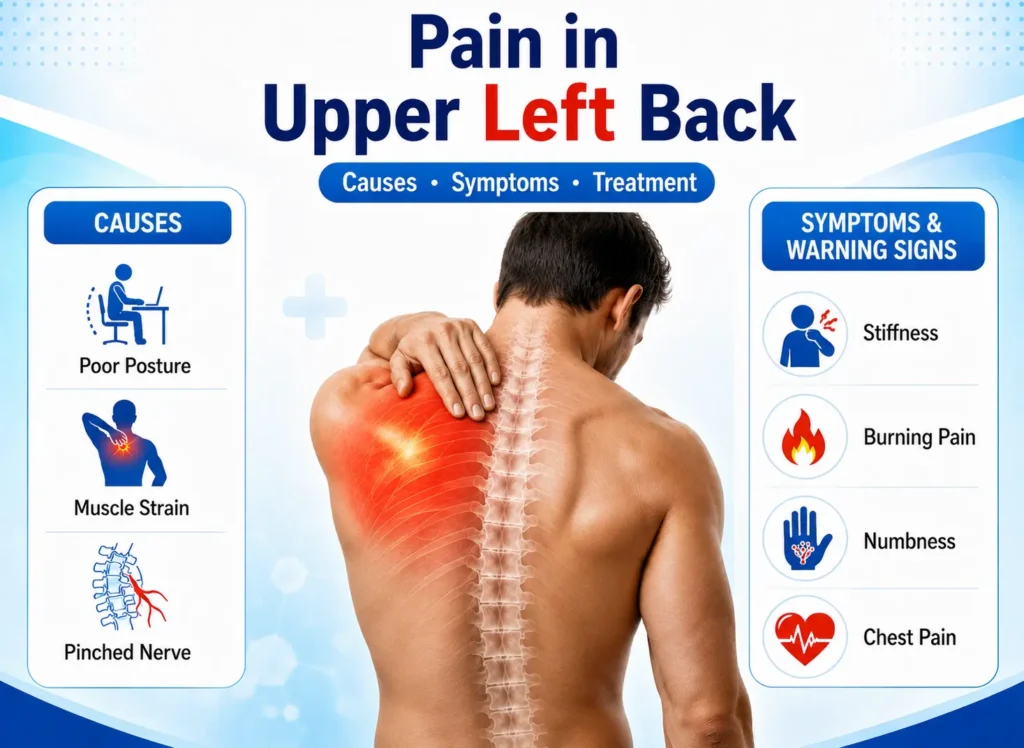
Different Types of Pain in Upper Left Back
Pain in upper left back may feel different depending on the underlying cause.
Sharp Pain
Sharp pain may occur due to muscle strain, sudden injury, or nerve irritation.
Burning Pain
Burning sensations may indicate nerve involvement or inflammation.
Dull Aching Pain
A dull ache is commonly associated with posture-related muscle fatigue and stress.
Pain While Breathing
Pain during deep breathing may sometimes involve muscles between the ribs or irritation around the thoracic region.
Pain During Movement
Pain that worsens while twisting, bending, or lifting often suggests muscular or spinal involvement.the
Symptoms Associated With Pain in Upper Left Back
The symptoms associated with pain in upper left back vary depending on the underlying condition.
Common symptoms include:
- Muscle tightness
- Neck pain
- Shoulder pain
- Tingling sensations
- Numbness
- Reduced mobility
- Burning pain
- Headaches
- Stiffness
- Pain during movement
Some individuals experience intermittent symptoms, while others may develop chronic pain in upper left back that affects daily activities.
Can Pain in Upper Left Back Be Serious?
In many cases, pain in upper left back develops because of muscle strain, poor posture, or stress. However, certain symptoms may indicate a more serious medical condition.
Seek immediate medical attention if pain in upper left back is associated with:
- Chest pain
- Breathing difficulty
- Severe weakness
- Fever
- Sudden numbness
- Loss of balance
- Unexplained weight loss
- Loss of bladder or bowel control
Rarely, pain in upper left back may be linked to heart, lung, or severe nerve-related conditions. Persistent symptoms should always be evaluated by a healthcare professional.
How Is Pain in Upper Left Back Diagnosed?
Doctors usually begin a diagnosis with a detailed physical examination and medical history.
The evaluation may include:
- Posture assessment
- Neck and shoulder movement evaluation
- Muscle strength testing
- Reflex examination
- Nerve function assessment
Depending on symptoms, imaging tests may also be recommended.
X-rays
X-rays help identify arthritis, spinal alignment problems, and degenerative changes.
MRI Scan
MRI scans provide detailed images of spinal discs, nerves, muscles, and soft tissues.
CT Scan
CT scans may help detect bone-related abnormalities.
Nerve Tests
EMG and nerve conduction studies may be used if nerve compression is suspected.
Treatment for Pain in Upper Left Back
Treatment for pain in upper left back depends on the exact cause and severity of symptoms.
Rest and Activity Modification
Short periods of rest may help reduce inflammation and muscle irritation. However, complete inactivity should be avoided.
Physiotherapy
Physiotherapy is highly effective for pain in upper left back. A physiotherapist can recommend exercises to improve posture, flexibility, and muscle strength.
Heat and Cold Therapy
Cold therapy helps reduce inflammation, while heat therapy relaxes tight muscles and improves blood circulation.
Medications
Doctors may prescribe:
- Pain relievers
- Anti-inflammatory medications
- Muscle relaxants
These medications should only be used under professional guidance.
Ergonomic Correction
Improving workstation ergonomics can reduce stress on the neck and upper back.
Helpful adjustments include:
- Keeping screens at eye level
- Using ergonomic chairs
- Maintaining proper sitting posture
- Taking regular movement breaks
Advanced Spine Treatments
Patients with persistent pain in upper left back caused by nerve compression or spinal disorders may require:
- Image-guided injections
- Nerve blocks
- Minimally invasive spine procedures
Best Exercises for Pain in Upper Left Back
Exercises can help reduce pain in upper left back by improving posture, flexibility, and muscle strength.
Shoulder Blade Squeeze
- Sit upright
- Pull shoulder blades together
- Hold for 5 seconds
- Repeat 10 times
Thoracic Stretch
- Sit comfortably
- Extend the upper back gently
- Hold for 10 seconds
Wall Angels
- Stand against a wall
- Raise and lower arms slowly
- Keep your back supported
Cat-Cow Stretch
- Start on hands and knees
- Alternate between arching and rounding your back
- Repeat 10 times
Neck Stretch
- Tilt your head gently to one side
- Hold for 10 seconds
- Repeat on both sides
These exercises should be performed slowly and comfortably without sudden movements.
How to Prevent Pain in Upper Left Back
Simple lifestyle changes may help prevent pain in upper left back.
Maintain Proper Posture
Avoid slouching while sitting or standing.
Stay Active
Regular exercise strengthens muscles and improves spinal flexibility.
Take Frequent Breaks
People working long hours at desks should stretch regularly.
Improve Ergonomics
A proper workstation setup can reduce neck and upper back strain.
Manage Stress
Stress management techniques such as yoga, stretching, and breathing exercises may help relax tight muscles.
Strengthen Core Muscles
Strong core muscles support spinal stability and reduce upper back stress.
Conclusion
Pain in upper left back is a common condition that may develop because of muscle strain, poor posture, cervical spine problems, stress, or degenerative changes in the spine. While many cases improve with rest, posture correction, exercises, and physiotherapy, persistent symptoms should not be ignored.
Book an Appointment
If you are experiencing persistent pain in upper left back, stiffness, numbness, burning sensations, or difficulty performing daily activities, it’s important to get your spine evaluated before the condition worsens.
At We Are Spine, our experienced spine specialists provide accurate diagnosis, advanced imaging evaluation, physiotherapy guidance, and personalized treatment plans for upper back pain, neck pain, posture-related conditions, and spine disorders.
Don’t ignore ongoing pain in upper left back. Early diagnosis and the right treatment can help prevent long-term complications, improve mobility, and restore your quality of life. Consulting a qualified spine specialist can help identify the exact cause of your symptoms.
Schedule Your Appointment with We Are Spine Today.




2 Responses