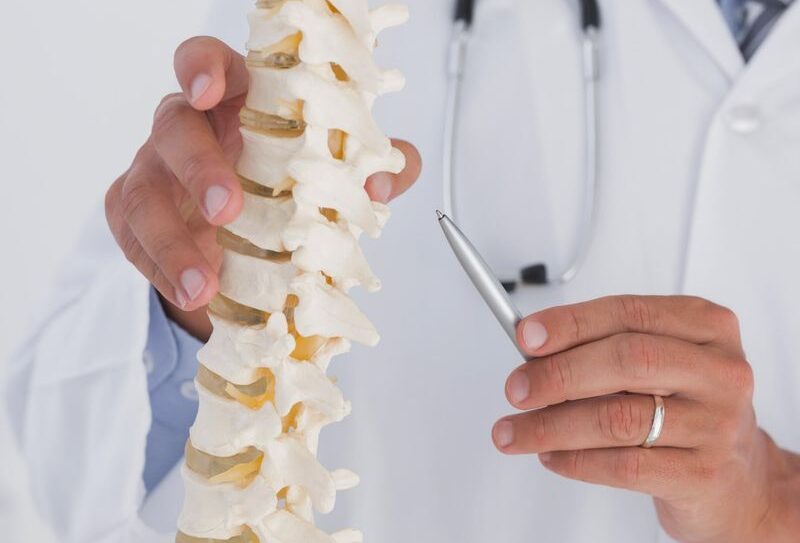

Advanced Spine Care by Experienced Spondylosis Specialists
At We Are Spine, our experienced spondylosis specialists provide advanced diagnosis and personalised treatment for degenerative spine conditions affecting the neck, back, and spinal joints. With decades of expertise in modern spine care, our team focuses on relieving pain, restoring mobility, and helping patients return to daily life with improved spinal health.
Whether you are experiencing chronic neck pain, lower back pain, stiffness, nerve compression, or radiating pain in the arms and legs, our spondylosis specialists in Mumbai, India offer evidence-based treatment using advanced diagnostics, minimally invasive techniques, and patient-focused rehabilitation.
Consult Leading Spondylosis Specialists in Mumbai
Advanced spine diagnostics
Non-surgical and surgical treatment
Minimally invasive spine procedures
Personalised rehabilitation programs
Comprehensive spine care under expert supervision
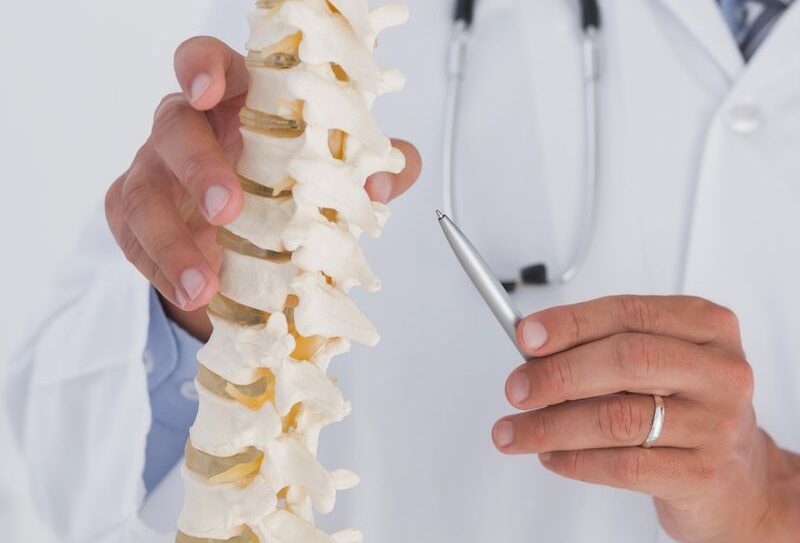
Types of Spondylosis
Cervical Spondylosis
Cervical spondylosis affects the neck region and is one of the most common reasons patients consult a spondylosis specialist. Degeneration of the cervical discs and joints may lead to neck pain, stiffness, headaches, and nerve compression affecting the shoulders and arms.
Symptoms of cervical spondylosis may include:
- Neck pain and stiffness
- Pain radiating to the shoulders
- Tingling in the arms and hands
- Muscle weakness
- Reduced neck movement
Lumbar Spondylosis
Lumbar spondylosis affects the lower back and may cause persistent lower back pain, sciatica, and leg discomfort due to nerve compression.
Common symptoms include:
- Lower back pain
- Pain radiating down the legs
- Numbness or tingling
- Muscle weakness
- Difficulty standing or walking
Treatment focuses on relieving pressure on spinal nerves while improving spinal stability and mobility.
Thoracic Spondylosis
Thoracic spondylosis affects the middle part of the spine and may cause stiffness, pain between the shoulder blades, and restricted movement.
Early diagnosis by an experienced spondylosis specialist can help prevent progression and improve long-term spinal function.
Symptoms and Causes of Spondylosis
Surgery is considered only when non-surgical treatment fails to relieve symptoms or when there is significant nerve or spinal cord compression. This decision is made carefully after thorough clinical evaluation and imaging review.
| Symptoms | Causes |
|---|---|
Chronic neck pain |
Age-related degeneration |
Lower back pain |
Poor posture |
Neck stiffness |
Sedentary lifestyle |
Reduced spinal flexibility |
Repetitive strain on the spine |
Pain radiating to arms or legs |
Obesity |
Tingling or numbness |
Previous spinal injuries |
Muscle weakness |
Genetics |
Difficulty walking or standing for long periods |
Surgical & Non Surgical Treatment for Spondylosis
Most patients with mild to moderate spondylosis improve with conservative treatment guided by an experienced spondylosis specialist.
Physiotherapy and Rehabilitation
Structured physiotherapy helps strengthen spinal muscles, improve posture, and increase flexibility while reducing stress on the spine.
Medication Management
Anti-inflammatory medication and pain management strategies may help control discomfort during recovery.
Lifestyle and Ergonomic Correction
Our specialists provide guidance on posture correction, workplace ergonomics, spinal care habits, and activity modification.
Spine Injections
Image-guided injections may help reduce inflammation and nerve irritation in selected patients.
Advanced Pain Management
Comprehensive pain management programs focus on improving daily function and long-term spine health.
Minimally
Modern minimally invasive procedures involve smaller incisions and reduced muscle disruption compared to traditional open surgery.
Robotic and Navigation-Guided Spine Surgery
Advanced navigation systems and robotic technology help improve surgical accuracy during complex spine procedures.
Spinal Decompression Surgery
Decompression procedures relieve pressure on compressed nerves caused by spinal degeneration.
Spinal Fusion and Stabilisation
In advanced cases involving instability, fusion procedures may help restore spinal alignment and stability.
Why Choose We Are Spine?
Experienced Spondylosis Specialists
Our team includes some of India’s most respected spine surgeons with expertise in advanced spine surgery and degenerative spinal disorders.

Dr. Shekhar Bhojraj
CONSULTANT SPINE SURGEON

Dr. Abhay Nene
CONSULTANT SPINE SURGEON
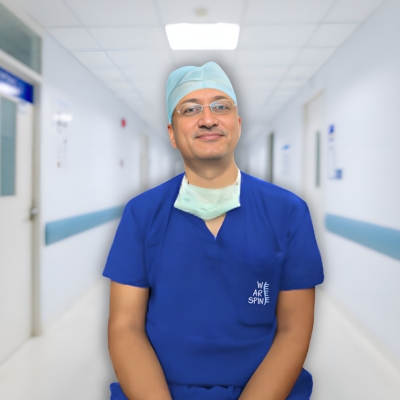
Dr. Sheetal Mohite
CONSULTANT SPINE SURGEON

Dr. Premik Nagad
CONSULTANT SPINE SURGEON

Dr. Priyank Patel
CONSULTANT SPINE SURGEON

Dr. Aaditya Kashikar
CONSULTANT SPINE SURGEON
Frequently Asked Questions
Can Spondylosis Be Cured Completely?
Spondylosis cannot usually be cured completely because it is a natural age-related degeneration of the spine. However, many people can successfully manage their symptoms and continue normal daily activities with the right treatment and lifestyle changes. Treatment mainly focuses on reducing pain, improving mobility, strengthening the spine, and preventing the condition from worsening. In mild to moderate cases, physiotherapy, posture correction, regular exercise, weight management, and medications can provide long-term relief.
What Type of Doctor Treats Spondylosis?
Spondylosis is commonly treated by an orthopedic spine specialist, neurosurgeon, or spine surgeon depending on the severity of the condition. In many cases, patients may also work with physiotherapists and pain management specialists as part of their treatment plan. If symptoms include severe nerve compression, numbness, weakness, or difficulty walking, a spine specialist is usually recommended for proper evaluation and advanced treatment options.
What Is Stage 4 Spondylosis?
Stage 4 spondylosis generally refers to advanced spinal degeneration where there may be significant disc damage, bone spurs, reduced disc space, stiffness, and nerve compression. At this stage, patients may experience chronic pain, numbness, tingling, muscle weakness, balance problems, or difficulty performing routine activities. Advanced cases may require more intensive treatment and close monitoring by a spine specialist.
What Is the Best Sleeping Position for Spondylosis?
The best sleeping position for spondylosis is usually one that keeps the spine in a neutral and supported position. Sleeping on the back with a pillow under the knees or on the side with a pillow between the knees may help reduce pressure on the spine. Using a supportive mattress and avoiding very high pillows can also help reduce neck and back strain during sleep. You can also read about the best sleeping positions for spine support to understand how posture during sleep may help reduce spinal discomfort
What Is the Last Stage of Spondylosis?
The last stage of spondylosis is typically characterized by severe degeneration of the spinal discs and joints along with chronic stiffness and nerve compression. In advanced cases, patients may develop difficulty walking, reduced mobility, persistent pain, muscle weakness, or problems with coordination and balance. Some individuals may also experience significant limitations in daily activities if the condition is left untreated for a long period.
What Is the Main Cause of Spondylosis?
The main cause of spondylosis is age-related wear and tear of the spine. Over time, spinal discs lose hydration and flexibility, which can lead to degeneration of the vertebrae and joints. Other contributing factors may include poor posture, repetitive strain, obesity, lack of physical activity, previous spinal injuries, smoking, and genetic predisposition. Long hours of sitting and improper ergonomics may also increase stress on the spine.
Is Spondylosis a Serious Disease?
Spondylosis is not always serious, and many people may have mild spinal degeneration without major symptoms. However, in some cases, the condition can become more severe if it causes nerve compression, spinal canal narrowing, or significant mobility problems. Persistent pain, numbness, weakness, or balance issues should not be ignored and may require medical evaluation to prevent complications.