

Why Are My Legs Feeling Weak?
Causes, Warning Signs & Treatment Options
Weakness in legs is a symptom that many people experience at some point, but it should never be ignored, especially if it develops suddenly, worsens over time, or interferes with walking and daily activities. While temporary fatigue can make your legs feel tired, true leg weakness may indicate an underlying problem involving the nerves, muscles, spine, circulation, or brain.
In some cases, weakness in legs is caused by conditions such as sciatica, a slipped disc, spinal stenosis, vitamin deficiencies, or neurological disorders. Understanding the cause is the first step toward getting the right treatment.
Quick Answer
Weakness in legs can result from nerve compression, spinal conditions, muscle disorders, vitamin deficiencies, poor circulation, or neurological diseases. If the weakness is sudden, worsening, or accompanied by numbness, balance problems, or bowel and bladder changes, immediate medical evaluation is recommended.
What Does Weakness in Legs Feel Like?
Many people describe weakness in their legs differently.
Common descriptions include:
- Legs feel heavy or difficult to move
- Difficulty climbing stairs
- Trouble standing up from a chair
- Legs giving way unexpectedly
- Reduced walking endurance
- Feeling unstable while walking
- Shaking or trembling in the legs
- Difficulty lifting the foot
Some individuals notice weakness in one leg, while others experience symptoms in both legs.
True muscle weakness is different from tiredness. With actual weakness, the muscles may not generate normal strength even after rest.
Common Causes of Weakness in Legs
1. Nerve Compression in the Spine
One of the most common causes of weakness in legs is nerve compression in the lower spine.
Conditions that can compress spinal nerves include:
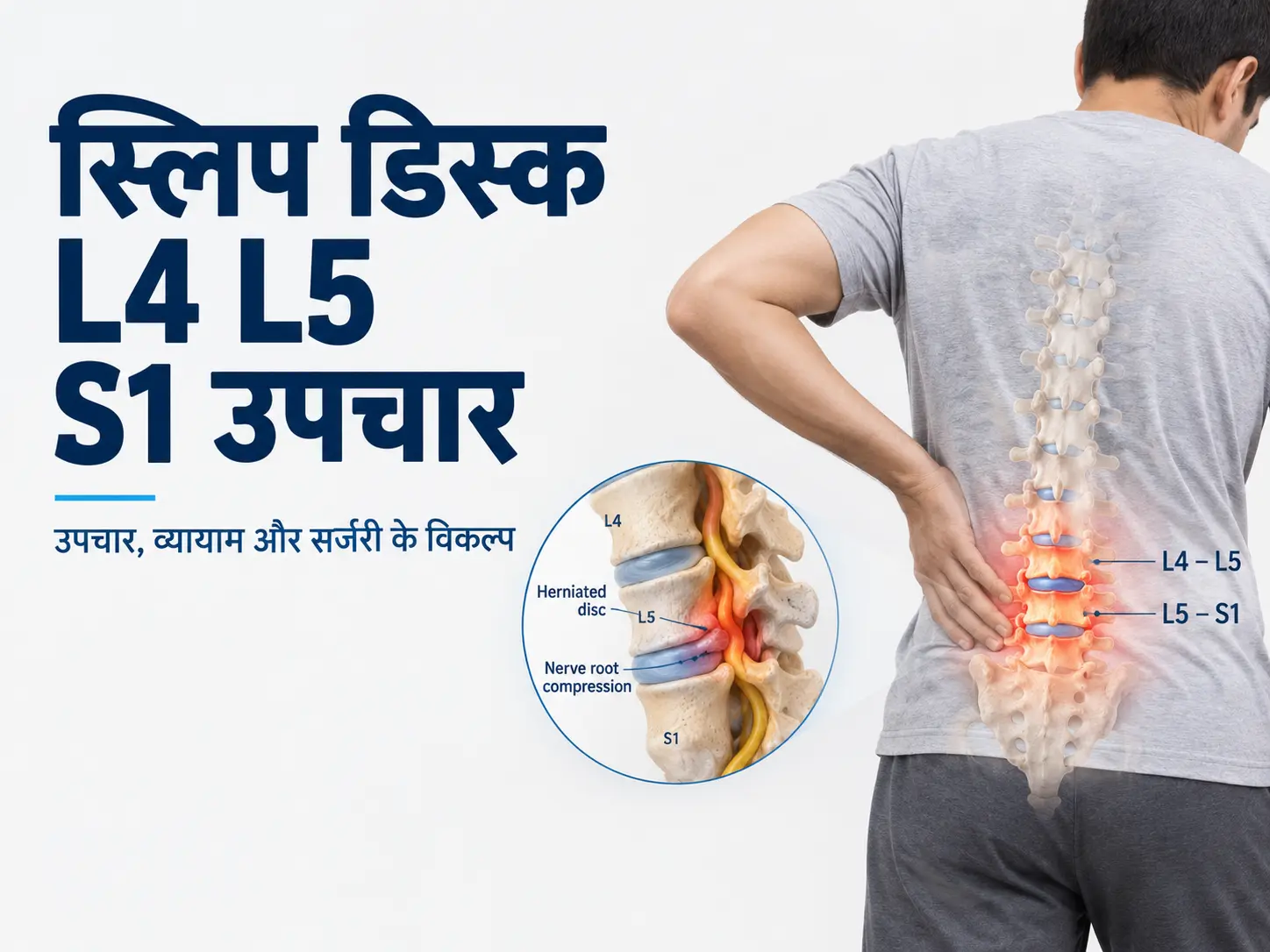
Herniated disc
Disc bulge
Spinal stenosis
Degenerative disc disease
Spondylolisthesis
When nerves become compressed, signals between the brain and leg muscles may be disrupted.
Symptoms May Include:
Leg weakness
Sciatica
Numbness
Tingling
Lower back pain
Difficulty walking
2. Sciatica
Sciatica occurs when the sciatic nerve becomes irritated or compressed.
Many people associate sciatica with leg pain, but it can also cause weakness in legs, particularly when nerve compression becomes significant.
Common Symptoms
Sharp shooting pain
Burning sensation
Tingling
Numbness
Weakness in one leg
3. Lumbar Spinal Stenosis
Spinal stenosis refers to narrowing of the spinal canal.
This condition is particularly common in older adults.
Symptoms
Weakness in legs while walking
Leg heaviness
Pain after standing
Numbness
Balance difficulties
Many patients report that symptoms improve when sitting or bending forward.
4. Cervical Myelopathy
Although it affects the neck, cervical spinal cord compression can cause weakness in legs.
This occurs because the spinal cord carries signals from the brain to the lower body.
Warning Signs
Difficulty walking
Poor balance
Frequent falls
Hand clumsiness
Leg weakness
This condition often requires prompt specialist evaluation.
5. Peripheral Neuropathy
Peripheral neuropathy occurs when nerves outside the brain and spinal cord become damaged.
Causes Include
Diabetes
Alcohol misuse
Certain medications
Vitamin deficiencies
Autoimmune conditions
Symptoms
Weakness in legs
Numbness
Burning sensations
Tingling in the feet
6. Vitamin Deficiencies
Certain nutritional deficiencies can affect nerve and muscle function.
Common Deficiencies
Vitamin B12
Vitamin D
Folate
Iron
Symptoms may develop gradually and include:
Fatigue
Weakness in legs
Poor balance
Muscle cramps
7. Stroke
Sudden weakness in legs, particularly when it affects one side of the body, may indicate a stroke.
Seek Emergency Care If Leg Weakness Occurs With:
Facial drooping
Speech difficulty
Arm weakness
Sudden confusion
Vision changes
Stroke is a medical emergency.
8. Muscle Disorders
Muscle diseases can directly affect strength.
Examples include:
Muscular dystrophy
Inflammatory muscle disorders
Metabolic muscle diseases
These conditions are less common but may cause progressive weakness.
Weakness in One Leg vs Weakness in Both Legs
Weakness in One Leg
More commonly associated with:
Sciatica
Nerve compression
Stroke
Localized nerve injury
Weakness in Both Legs
May suggest:
Spinal cord compression
Lumbar spinal stenosis
Neurological disorders
Vitamin deficiencies
Muscle disorders
The pattern of weakness often helps doctors identify the underlying cause.
Can Back Problems Cause Weakness in Legs?
Direct Answer
Yes. Back problems are among the most common causes of weakness in legs.
The lumbar spine contains nerves that control movement and sensation in the lower limbs. When these nerves become compressed, muscle strength may decrease.
Common Spine Conditions Associated With Leg Weakness
Condition | Can Cause Leg Weakness? |
Disc Bulge | Yes |
Herniated Disc | Yes |
Sciatica | Yes |
Spinal Stenosis | Yes |
Spondylolisthesis | Yes |
Degenerative Disc Disease | Sometimes |
When leg weakness is caused by nerve compression, early diagnosis can help prevent long-term nerve damage.
How Doctors Diagnose Weakness in Legs
Diagnosing the cause of weakness in legs usually involves a combination of medical history, physical examination, and diagnostic testing.
Medical History
Your doctor may ask:
When symptoms started
Whether weakness affects one or both legs
Presence of pain or numbness
Recent injuries
Existing medical conditions
Physical Examination
Assessment may include:
Muscle strength testing
Reflex evaluation
Balance assessment
Walking analysis
Sensory examination
Imaging Tests
MRI
MRI is often the preferred test for evaluating:
Disc bulges
Herniated discs
Nerve compression
Spinal stenosis
CT Scan
May be useful when MRI is not suitable.
Nerve Testing
Electromyography (EMG) and nerve conduction studies can help identify nerve-related causes of weakness.
Blood Tests
Blood tests may evaluate:
Vitamin deficiencies
Thyroid disorders
Infections
Inflammatory conditions
Myth vs Fact
Myth | Fact |
Leg weakness is always caused by aging. | Leg weakness can have many medical causes. |
If there is no pain, there is no problem. | Serious conditions may cause weakness without pain. |
Rest alone will fix leg weakness. | Treatment depends on the underlying cause. |
Every spine problem requires surgery. | Many spine conditions improve with non-surgical treatment. |
Weakness and fatigue are the same thing. | True weakness involves loss of muscle strength. |
Frequently Asked Questions
Can a slipped disc cause weakness in legs?
Yes. A slipped disc can compress spinal nerves and lead to weakness, numbness, or sciatica.
Is weakness in legs a sign of nerve damage?
It can be. Nerve compression or nerve injury may affect muscle strength.
Why do my legs feel weak when walking?
Possible causes include spinal stenosis, nerve compression, circulation problems, and muscle disorders.
Can sciatica cause leg weakness?
Yes. Severe sciatica can affect nerve function and muscle strength.
Is leg weakness a sign of stroke?
Sudden leg weakness, especially when accompanied by facial drooping or speech difficulties, may indicate a stroke.
Can spinal stenosis cause weakness in legs?
Yes. Lumbar spinal stenosis commonly causes weakness, heaviness, and walking difficulties.
Can vitamin deficiency cause leg weakness?
Yes. Deficiencies of Vitamin B12, Vitamin D, and other nutrients may contribute to weakness.
Should I worry about weakness in one leg?
Persistent or worsening weakness in one leg should be evaluated by a healthcare professional.
Can physiotherapy help leg weakness?
Yes. Physiotherapy can improve strength, balance, and mobility when appropriate.
When should I see a doctor?
You should seek medical evaluation if weakness persists, worsens, affects walking, or occurs with numbness or pain.
Experiencing Weakness in Your Legs?
If you’re noticing persistent weakness in your legs, difficulty walking, numbness, tingling, or symptoms that may be related to nerve compression, early evaluation can help identify the cause and prevent further complications.
Our spine specialists can assess your symptoms, review MRI findings, and determine whether conditions such as a slipped disc, spinal stenosis, sciatica, or other spine disorders may be contributing to your symptoms.
Consult Experienced Spine Specialists in Mumbai, India
- Dr. Shekhar Bhojraj
- Dr. Abhay Nene
- Dr. Premik Nagad
- Dr. Priyank Patel
- Dr. Sheetal Mohite
- Dr. Aaditya Kashikar
Fill out the form below to schedule your consultation with a spine specialist.
Key Takeaways
- Weakness in legs is a symptom, not a diagnosis.
- Common causes include nerve compression, sciatica, spinal stenosis, vitamin deficiencies, and neurological disorders.
- Back and spine conditions are frequent causes of leg weakness.
- Sudden weakness, bowel or bladder changes, or worsening symptoms require urgent medical attention.
- Early diagnosis and appropriate treatment can help prevent complications and improve quality of life.
- A spine specialist or neurologist can help determine the underlying cause and guide treatment.






8 Responses