Why Regular Breaks While Working Are Good for Your Spine
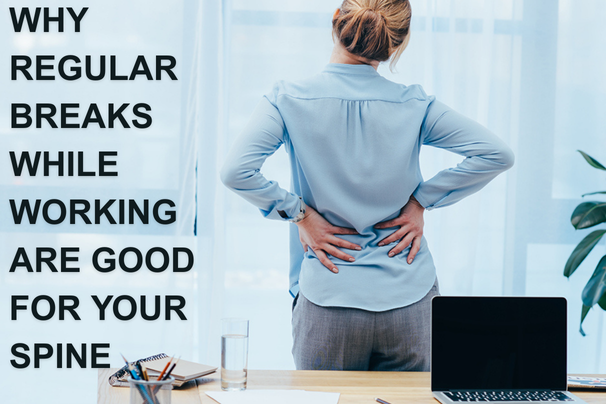
Why Regular Breaks While Working Are Good for Your Spine If your day looks like back-to-back calls, marathon sessions in front of Excel or code, or hours of studying without moving, you’re in good company. The modern workday is dominated by screens and chairs. We sit in traffic, sit at our desks, sit in meetings, then sit again to unwind. It’s not surprising that back pain and neck stiffness have become so common they’re almost expected. The World Health Organization (WHO) recognizes low back pain as the leading cause of years lived with disability globally. In India, back pain is among the most frequent reasons for outpatient visits and lost workdays, and it’s tightly linked to sedentary routines, suboptimal ergonomics, and long, uninterrupted sitting. The problem isn’t just sitting; it’s sitting without breaks. The good news? One habit has a disproportionately positive effect: taking regular breaks during work. Not hour-long gym sessions (though exercise helps), but brief, frequent, intentional pauses to stand, stretch, and move. Research from occupational health, ergonomics, and spine medicine consistently shows that breaking up sitting time reduces spinal load, improves disc nutrition, relieves muscle fatigue, restores circulation, and even boosts mental focus. This guide explains, in clear and practical terms, how and why regular breaks protect your spine, what science says about microbreaks, how to set up your workspace, and exactly what to do every 20–30 minutes to keep your back happy — all with actionable tips you can start today. The Science Behind Taking Breaks Your Spine Is Built for Movement, Not Marathon Sitting The spine is a dynamic structure of 33 vertebrae cushioned by intervertebral discs, stabilized by ligaments, and supported by muscles. Those discs are like gel-filled pads that rely on movement to receive nutrients. Unlike muscles, discs don’t have a direct blood supply; they get nourishment by diffusion — essentially, pressure changes during movement help pull in nutrients and water. When you sit still for hours, especially in a slouched position, you compromise this nutrition cycle. What happens when you sit too long: Disc pressure rises: Classic intradiscal pressure studies (often attributed to Alf Nachemson’s seminal work) show that seated postures, particularly forward-leaning sitting, increase load on the lumbar (lower) discs compared with standing. Muscles fatigue: Your deep spinal stabilizers (e.g., multifidus) work quietly to keep you upright. Without breaks, they tire and your posture collapses — cue slouching, rounded shoulders, and a forward head. Circulation slows: Long sitting reduces blood flow to spinal tissues and surrounding muscles, leading to stiffness, discomfort, and slower tissue recovery. Nerves get irritated: Prolonged static postures can narrow spaces where nerves travel, increasing the risk of nerve compression symptoms (e.g., sciatica from lumbar nerve irritation, or tingling from cervical postures). Why Microbreaks Work (and What Research Suggests) Microbreaks — brief, frequent pauses to stand, stretch, or move — reverse the biomechanical and circulatory stresses of sitting. Evidence published in ergonomics and occupational health literature shows that even 1–3 minutes of movement every 20–30 minutes can: Reduce self-reported musculoskeletal discomfort (neck, back, shoulders) Improve perceived energy and mental focus Help stabilize posture by re-activating core and glute muscles Lower overall sedentary time, which is linked to better cardiometabolic markers (supporting overall health alongside spine health) Major health bodies — WHO, NIOSH (National Institute for Occupational Safety and Health), and many academic ergonomics labs — encourage breaking up sedentary time, not only adding exercise at the end of the day. In short: don’t save all your movement for 6 pm. Spread it across the day. How Sitting Too Long Affects Your Spine (and How Breaks Undo the Damage) Lumbar Spine (Lower Back): Disc Load and “Desk Job Back Pain” When you sit, especially with the pelvis tucked and the lower back rounded, you increase load on the lumbar discs and facet joints. Over months and years, that can contribute to disc dehydration, annular strain, and in susceptible individuals, disc bulges or herniations — commonly felt as deep lower back pain and sometimes sciatica (radiating leg pain due to nerve root irritation). How breaks help: Standing for 1–2 minutes, gentle backward bends (extension), hip flexor stretches, and walking offload lumbar discs, rehydrate them slightly, and reduce stiffness. Cervical Spine (Neck): Forward Head and “Text Neck” The head is heavy (4–5+ kg). As neck flexion increases (looking down), the effective load on the cervical spine rises dramatically — a widely cited 2014 analysis by Kenneth Hansraj (in Surgical Technology International) showed that a 60° forward head tilt can feel like ~27 kg to the neck. Hours of this posture (phones, laptops on low tables) can cause neck pain, headaches, and tingling in arms/hands. How breaks help: Reset head position, chin retractions (gently glide head back), scapular retractions (squeeze shoulder blades), and neck range-of-motion drills reduce cumulative strain. Thoracic Spine (Mid-Back): Slouching and Shallow Breathing Slumped sitting collapses the mid-back and ribcage, limiting diaphragmatic movement and leading to shallow breathing. That fuels fatigue and makes it harder to maintain an upright posture. How breaks help: Thoracic extensions over the backrest, wall angels, and deep belly breathing reset ribcage and mid-back alignment. Muscles & Fascia: Static Load → Triggers and Tightness When tissues stay under static load, the body develops myofascial trigger points (painful knots) and tight hip flexors/hamstrings that alter pelvic alignment, further stressing the spine. How breaks help: Periodic mobility snacks — brief stretches and activation drills — prevent trigger buildup and restore balanced muscle tone. What Reputable Organizations Recommend World Health Organization (WHO): Reducing sedentary behavior and breaking up sitting time is part of global guidelines for health. Even light movement counts. NIOSH (USA): Endorses integrating frequent short breaks into computer-based work to lower musculoskeletal strain. Harvard Health Publishing: Emphasizes that brief, regular movement improves both musculoskeletal comfort and cognitive performance. Mayo Clinic: Recommends standing, stretching, and moving throughout the day to reduce back and neck pain risk. Ministry of Health & Family Welfare (India) and ICMR/NIN (National Institute of Nutrition): While focused largely on noncommunicable disease prevention and healthy lifestyles, their guidance aligns with reducing sedentary time, improving ergonomics, and maintaining regular physical activity for musculoskeletal health. Exactly How Often Should You Take Breaks? There isn’t a single perfect formula, but several evidence-informed patterns work well: The 20–8–2 Pattern (Cornell Ergonomics Lab–style guidance) 20 minutes sitting 8 minutes standing 2 minutes moving/stretching This approach balances productivity with postural variety, which your spine loves. The 30–30 Rule (Easy to Remember) Every 30 minutes of sitting, take 30–120 seconds to stand, stretch, or walk a few steps. Pomodoro with Movement
The Link Between Pregnancy and Back Pain
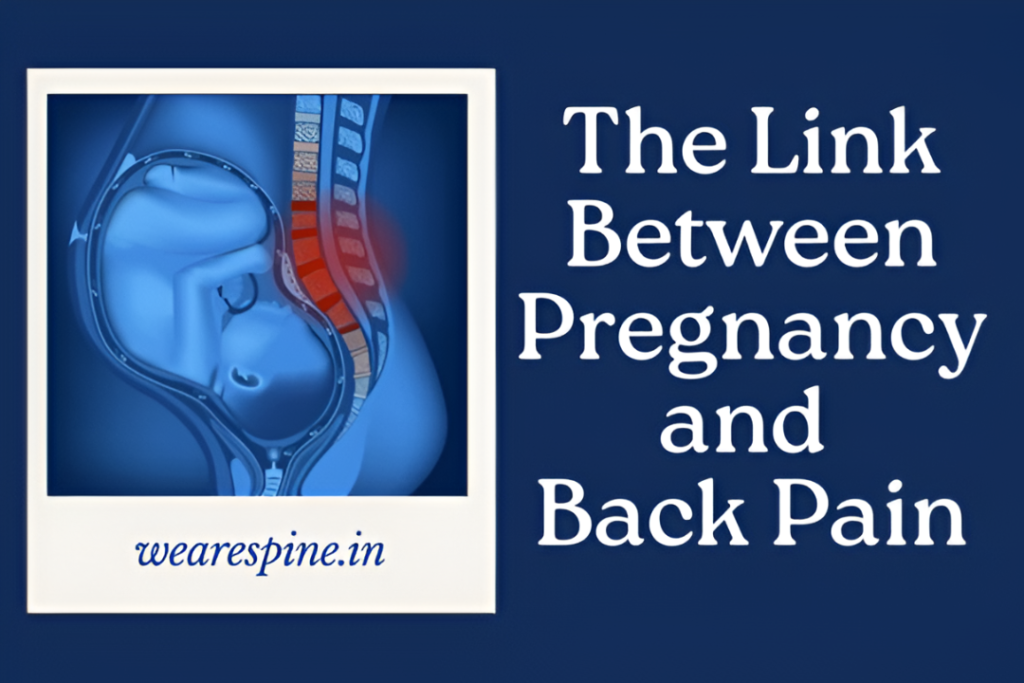
The Link Between Pregnancy and Back Pain Pregnancy is often described as one of the most beautiful journeys in a woman’s life. The anticipation of bringing new life into the world fills homes with excitement, dreams, and prayers. But alongside the joy, many expecting mothers face a quieter, often overwhelming struggle: back pain. In India, where family structures are deeply interwoven, pregnant women are often told, “Back pain is normal, just bear with it.” But the truth is, while mild discomfort is common, persistent or severe back pain should never be dismissed. It is not only about temporary discomfort — it may affect sleep, mobility, mental health, and even long-term spinal health. This blog explores the science behind pregnancy-related back pain, the physical and emotional challenges women face, and practical, evidence-based solutions for relief. Whether you are an expecting mother, a new parent, or someone supporting a loved one, this guide will help you understand and address this issue with empathy and knowledge. Why Back Pain Is So Common in Pregnancy Studies suggest that 50–70% of pregnant women experience some degree of back pain during their pregnancy. But why does it happen? The answer lies in a complex mix of hormonal, mechanical, and lifestyle factors. 1. Hormonal Changes During pregnancy, the hormone relaxin increases to loosen ligaments in preparation for childbirth. While essential, this also makes joints less stable, especially in the pelvic and lumbar (lower back) region. This instability can lead to strain and pain in the back. 2. Weight Gain A healthy pregnancy often results in 10–15 kg of weight gain. This added weight, especially around the abdomen, shifts the body’s center of gravity forward, forcing the spine to arch more than usual (lordosis). This posture places stress on the lower back muscles and ligaments. 3. Postural Changes Many pregnant women instinctively lean backward to balance their growing belly. This posture increases pressure on spinal joints and discs, leading to pain. 4. Muscle Separation (Diastasis Recti) The growing uterus can sometimes cause abdominal muscles to separate, reducing core strength. A weaker core forces the back muscles to compensate, increasing the risk of pain. 5. Stress and Emotional Health Emotional stress is often overlooked, but it can cause muscle tension, especially in the back and neck. Anxiety about childbirth, work, or family responsibilities may worsen back discomfort. Types of Pregnancy-Related Back Pain Back pain in pregnancy is not the same for every woman. Doctors typically classify it into two categories: 1. Lumbar Back Pain Felt around the waist and lower spine. Similar to common lower back pain but worsens with prolonged standing or lifting. Often linked to postural strain and increased lumbar curvature. 2. Posterior Pelvic Pain Located deep in the buttocks, hips, or the back of the thighs. Usually more intense than lumbar pain. Triggered by walking, climbing stairs, or rolling over in bed. Often mistaken for sciatica, but it has different underlying causes. Early Signs of Back Pain in Pregnancy Recognizing the early warning signs is essential to prevent worsening of the condition. Some common early indicators include: A dull ache in the lower back after standing for long periods. Sharp pain when changing positions (e.g., turning in bed). Stiffness in the morning or after prolonged sitting. Pain radiating into the hips or thighs. Increased discomfort in the evening after daily chores. If ignored, these early signs may progress into more chronic pain, lasting well beyond delivery. Emotional Toll: More Than Just Physical Pain Back pain during pregnancy is not only a physical challenge. It deeply impacts emotional and mental well-being: Interrupted Sleep: Pain often worsens at night, making it hard to rest. Work Struggles: Many women continue working during pregnancy, and desk jobs or long commutes add strain. Guilt and Worry: Mothers sometimes feel guilty for not being “strong enough,” though the pain is not their fault. Fear of Delivery: Concerns about whether back pain means complications during labor are common. Understanding these emotional aspects is critical. Pregnant women need support, reassurance, and practical help — not dismissive comments. Risk Factors That Increase Back Pain During Pregnancy Not every expecting mother will have severe back pain, but certain risk factors raise the likelihood: Previous history of back or pelvic pain. Sedentary lifestyle or lack of exercise before pregnancy. Carrying multiple babies (twins, triplets). Poor posture and ergonomics. Overweight or obesity before conception. Physically demanding work. Emotional stress and anxiety. Safe Remedies for Pregnancy-Related Back Pain When pain strikes, many women hesitate to take medicines due to concerns about the baby’s safety. Fortunately, there are several safe, non-pharmacological remedies. 1. Exercise and Stretching Prenatal yoga and pelvic tilts strengthen core muscles. Gentle cat-cow stretches reduce spinal stiffness. Walking remains one of the safest, most effective exercises. 2. Good Posture Stand tall, shoulders back, and avoid locking knees. Sit with a straight back, supported by a small pillow or cushion. Avoid crossing legs while sitting for long periods. 3. Sleep Position Doctors recommend sleeping on the left side with a pillow between the knees. A firm mattress or pregnancy pillow can provide extra support. 4. Heat and Cold Therapy A warm compress can relax tense muscles. Cold packs may reduce inflammation. Always use moderate temperatures to avoid harm. 5. Support Belts Maternity belts or belly bands can reduce strain by supporting the belly and back. 6. Footwear Avoid high heels; use cushioned, supportive shoes. Standing barefoot on hard floors for long periods should also be avoided. When Back Pain Needs Medical Attention While mild pain is common, certain symptoms require urgent medical evaluation: Pain accompanied by fever or chills. Severe pain that does not improve with rest. Numbness, tingling, or weakness in the legs. Loss of bladder or bowel control. Sudden sharp pain after a fall or injury. These could signal more serious conditions, such as herniated discs, infections, or nerve compression, which need specialist care. Postpartum Back Pain: Why It Lingers For many women, back pain doesn’t disappear after delivery. Reasons include: Hormones like relaxin remain elevated for weeks after childbirth. Lifting and nursing a newborn strain the spine further. Lack of core strength post-delivery prolongs recovery. Cultural practices (e.g., sitting on the floor for feeding)
Top 5 Common Spine Disorders in India – By Age Group
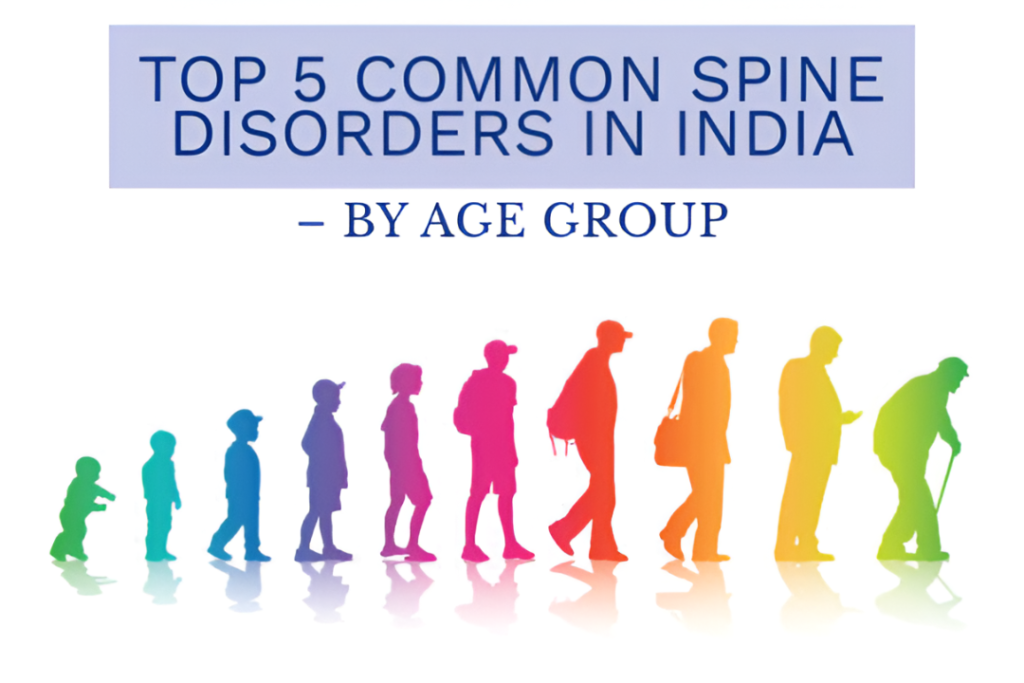
Top 5 Common Spine Disorders in India – By Age Group That persistent ache in your neck from hours of looking down at your phone, or the sharp pain in your back after a long day at work—these aren’t just minor inconveniences. They are often signals from a silent, hardworking part of your body: your spine. While often overlooked, the health of your spine is directly linked to your mobility, overall wellness, and quality of life. In India, spine disorders are no longer a concern limited to the elderly. They are a growing public health issue affecting millions across rural and urban landscapes. The Indian Orthopaedic Association has highlighted that spinal ailments are among the top causes of disability in adults, with incidence rates steadily climbing in both younger and older populations. This rising trend is largely attributed to sedentary lifestyles, poor ergonomic practices, and a lack of awareness about preventive care. The type of spine disorder a person is likely to develop often correlates directly with their age. Children and adolescents may face congenital or developmental spinal issues that require early detection. Young adults often develop spine conditions due to injuries, poor posture, and the digital demands of modern life. Middle-aged individuals experience degenerative changes, especially in the neck and lower back. Older adults are more vulnerable to osteoporosis-related fractures and spinal stenosis, which can severely impact mobility. This comprehensive guide, based on real medical research and data from reputable sources like the Indian Council of Medical Research (ICMR), examines the top spine disorders in India across these key age groups. We will explore their causes, symptoms, and, most importantly, provide powerful, actionable preventive measures you can adopt at every stage of life. 1. Childhood to Adolescence: Protecting the Growing Spine (Ages 0–18) The spine in children and adolescents is in a critical phase of growth and development. While spine issues are less common in children than in adults, when they do occur, they can have significant, long-term effects on posture, growth, and mobility if not addressed early. Early diagnosis is key to effective, non-surgical management. Common Conditions and Their Nuances Scoliosis: An abnormal, often subtle, sideways curvature of the spine. Unlike poor posture which can be corrected voluntarily, scoliosis is a structural deformity. Indian Context: The most common type is idiopathic scoliosis, meaning its cause is unknown. Pediatric orthopedic reports indicate a significant prevalence of this condition in Indian children, often detected during adolescent growth spurts. Symptoms: You might notice uneven shoulders, one hip appearing higher than the other, or the child’s body leaning to one side. A “rib hump” may be visible when the child bends forward. Diagnosis and Treatment: The diagnosis involves a physical examination and an X-ray to measure the curve using a method called the Cobb angle. Treatment depends on the severity of the curve, ranging from observation for mild cases, to bracing for moderate curves, to surgery for severe cases (typically a Cobb angle greater than 40-45 degrees). Spina Bifida: A neural tube defect that occurs in the womb where the spinal column doesn’t close completely, leaving the spinal cord exposed. Indian Data: Studies have shown a higher prevalence in areas with poor prenatal nutrition, particularly a deficiency of folic acid. Prevention: The most effective prevention is a mother’s adequate folic acid intake before and during early pregnancy. The Indian government’s emphasis on supplementing pregnant women with folic acid is a direct response to this public health need. Scheuermann’s Kyphosis: This is a rigid, structural deformity causing an exaggerated forward rounding or “hunched” posture in the upper back. Unlike postural kyphosis, which can be corrected by standing up straight, Scheuermann’s is a fixed deformity caused by the vertebrae growing unevenly. Causes: The exact cause is unknown, but it is believed to be linked to uneven growth plates in the vertebrae during adolescence. Treatment: Physical therapy to strengthen back muscles and bracing are the primary treatments. Surgery is reserved for severe cases where the deformity is causing significant pain or neurological issues. Risk Factors and Prevention Genetic Predisposition: A family history of scoliosis or other spinal deformities can increase a child’s risk. Nutritional Deficiencies: A lack of essential nutrients like calcium and Vitamin D in early years can weaken developing bones. Lack of Awareness: In rural areas, a lack of awareness and access to proper screening can lead to conditions being diagnosed late, when they are more difficult to treat. Actionable Prevention Strategies School-based spine screening programs are vital for early detection, a practice that is becoming more common in urban Indian schools. Ensure a diet rich in bone-supporting nutrients. Focus on Indian sources like ragi (finger millet), sesame seeds, and dairy for calcium. Ergonomic school furniture and properly-fitted school bags can make a big difference in preventing poor posture and strain. The ideal backpack should be worn on both shoulders and weigh no more than 10-15% of the child’s body weight. Encourage active play over prolonged screen time to build strong back and core muscles, which are the primary support system for the spine. 2. Young Adulthood: Lifestyle and the Spine (Ages 19–35) This is a time of peak physical activity, but it’s also when modern lifestyle choices begin to take their toll on the spine. The transition from a physically active childhood to a sedentary, desk-bound job often marks the beginning of spine-related issues. Common Conditions and Their Mechanisms Lumbar Disc Herniation (Slipped Disc): This occurs when the soft, gel-like inner portion of a spinal disc, called the nucleus pulposus, pushes through a tear in the tough outer ring, the annulus fibrosus. This herniation can press on nearby spinal nerves. Causes: The most common triggers are lifting heavy weights incorrectly, sudden, forceful twisting motions, sports injuries, or prolonged sitting with poor posture. Symptoms: This often manifests as severe lower back pain that can be sharp and shooting. It is frequently accompanied by sciatica, a searing pain, numbness, or tingling that radiates from the lower back down the leg along the path of the sciatic nerve. Text Neck Syndrome: This is a repetitive stress injury caused by prolonged periods of looking down at mobile devices. The Biomechanics: The average human head weighs about 10-12 pounds. When you tilt your head
Best Core Exercises for a Strong, Pain-Free Spine
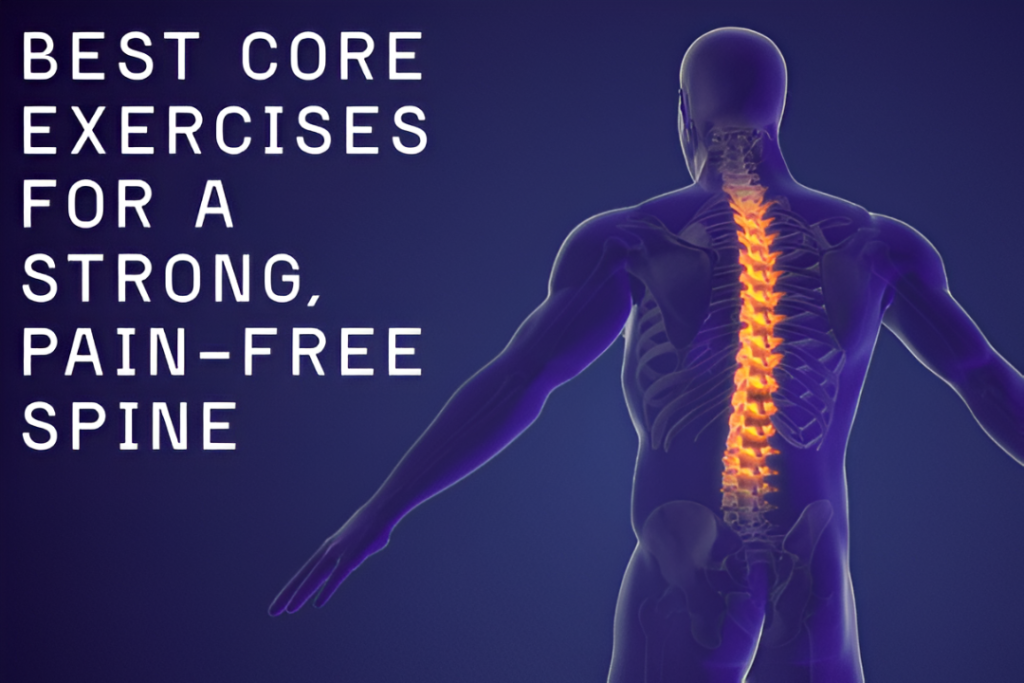
Best Core Exercises for a Strong, Pain-Free Spine Best Core Exercises for a Strong, Pain-Free Spine Back pain is one of the most common health complaints worldwide, and in India, it affects millions across all age groups. According to the Global Burden of Disease Study (2021), low back pain is a leading cause of disability, affecting work productivity, mobility, and overall quality of life. One of the most effective, evidence-backed strategies for preventing and managing spine-related discomfort is core strengthening. Contrary to popular belief, the “core” is not just your abs — it’s a complex system of muscles that wrap around your trunk, stabilizing your spine during movement and rest. In this blog, we’ll explore: The anatomy of the core and its role in spine health Evidence-based benefits of core training The best core exercises recommended by physiotherapists and backed by research Safety tips and common mistakes to avoid How to integrate these exercises into your daily routine 1. Understanding the Core and Its Role in Spine Health a. Core Anatomy The core includes deep and superficial muscles that stabilize the spine and pelvis: Deep stabilizers Transversus abdominis (TrA) – wraps around the abdomen like a corset, stabilizing the lumbar spine. Multifidus – small muscles along the spine that provide segmental stability. Pelvic floor muscles – support internal organs and contribute to stability. Diaphragm – assists in breathing and pressure regulation in the abdominal cavity. Superficial movers Rectus abdominis – the “six-pack” muscle, flexes the spine. Obliques (internal and external) – rotate and side-bend the spine. Erector spinae – extend and support the back. Key takeaway: A strong core is about stability, not just aesthetics. b. How Core Strength Affects the Spine Multiple studies (Hodges & Richardson, 1996; Akuthota & Nadler, 2004) show that weak core muscles lead to reduced spinal stability, increasing strain on spinal discs and ligaments. A well-conditioned core: Distributes load evenly across the spine Reduces risk of lumbar injuries Improves posture and functional movement Supports rehabilitation after back pain episodes 2. Evidence-Based Benefits of Core Training for Spine Health According to the American College of Sports Medicine (ACSM) and peer-reviewed research, consistent core training: Reduces risk of low back pain recurrence – strengthening deep stabilizers helps prevent flare-ups. Improves balance and coordination – essential for daily activities and sports. Enhances functional strength – supports movements like lifting, bending, and twisting. Improves breathing mechanics – via diaphragm activation during core engagement. Supports spinal rehabilitation – core training is part of most physiotherapy programs for back issues. 3. Best Core Exercises for a Strong, Pain-Free Spine Before beginning any core-strengthening routine, especially if you have a history of back pain or spinal injury, consulting a physiotherapist or visiting a dedicated spine care clinic can help ensure that exercises are tailored to your spinal condition and performed safely. All exercises below are back-safe, recommended by physiotherapists, and supported by research for spinal health. General Guidelines: Perform exercises on a firm but comfortable surface. Breathe naturally; avoid holding your breath. Stop immediately if you feel sharp pain. a. Dead Bug (For deep core activation) Muscles worked: Transversus abdominis, obliques, multifidus How to perform: Lie on your back with arms pointing toward the ceiling and knees bent at 90 degrees. Engage your core (draw the belly button toward the spine). Slowly lower your right arm and left leg toward the floor. Return to starting position and alternate sides. Sets/Reps: 2–3 sets of 8–12 reps per side Evidence: A 2015 study in Journal of Physical Therapy Science found dead bug variations significantly improved core endurance in patients with low back pain. b. Bird Dog (For spinal stability) Muscles worked: Multifidus, erector spinae, glutes, TrA How to perform: Start on hands and knees (tabletop position). Extend your right arm forward and left leg backward while keeping your spine neutral. Hold for 3–5 seconds, then switch sides. Sets/Reps: 2–3 sets of 8–10 reps per side Evidence: Shown in research by McGill (2001) as one of the safest and most effective spine stability exercises. c. Side Plank (For lateral stability) Muscles worked: Obliques, quadratus lumborum, TrA How to perform: Lie on your side with elbow under shoulder, legs stacked. Lift hips to form a straight line from head to feet. Hold for 15–30 seconds, progress as strength improves. Sets/Reps: 2–3 sets per side Evidence: A 2014 systematic review in Sports Health supports side planks for improving lateral trunk stability, crucial for spine protection. d. Glute Bridge (For posterior chain strength) Muscles worked: Glutes, hamstrings, erector spinae How to perform: Lie on your back with knees bent, feet flat on floor. Engage core, squeeze glutes, and lift hips until shoulders–hips–knees form a line. Lower slowly. Sets/Reps: 2–3 sets of 10–15 reps Evidence: Strengthening glutes reduces compensatory strain on the lower back, as shown in Journal of Orthopaedic & Sports Physical Therapy studies. e. Modified Curl-Up (McGill-approved) Muscles worked: Rectus abdominis without excessive spine flexion How to perform: Lie on your back, one knee bent, hands under lower back for support. Lift head and shoulders slightly, keeping neck neutral. Hold briefly, then lower. Sets/Reps: 2–3 sets of 8–12 reps Evidence: Stuart McGill’s research recommends this over traditional sit-ups to minimize lumbar disc stress. 4. Common Mistakes to Avoid Holding breath – increases intra-abdominal pressure unnecessarily. Arching lower back – can strain lumbar discs. Doing too much too soon – gradual progression prevents injury. Using momentum – reduces muscle engagement and increases injury risk. 5. Precautions and Contraindications Individuals with acute back injury should consult a physiotherapist before starting. Avoid high-load spinal flexion exercises (like weighted sit-ups) if you have disc problems. Focus on quality of movement over quantity. 6. How to Integrate Core Training into Daily Life Frequency: 3–4 times per week for best results. Warm-up: Gentle dynamic stretches before training. Progression: Increase hold time or reps gradually. Pair with: Aerobic exercise, flexibility training, and resistance work for overall spine health. 7. Supporting Lifestyle Factors Ergonomics – Maintain good posture at work and home. Healthy weight – Reduces excess load on the spine. Nutrition – Adequate protein, calcium, and vitamin D support muscle and bone health. Hydration – Keeps spinal discs hydrated and functional. 8. Conclusion A strong, well-functioning
How to Identify Early Signs of a Slipped Disc.
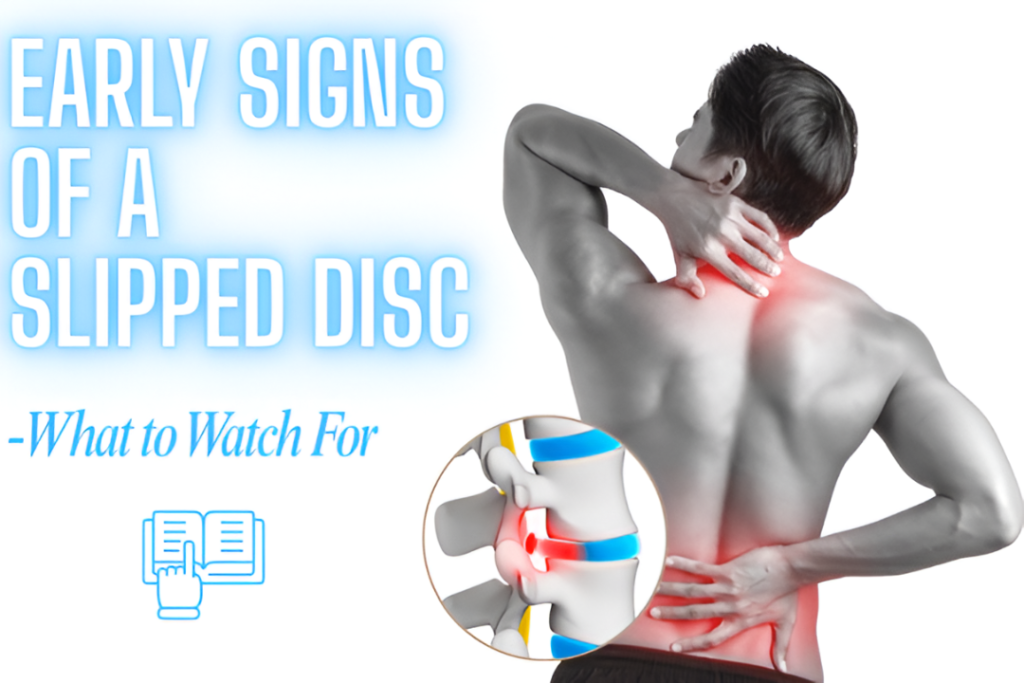
How to Identify Early Signs of a Slipped Disc. How to Identify Early Signs of a Slipped Disc A slipped disc, also known as a herniated disc or prolapsed intervertebral disc, is one of the most common spinal issues among working-age adults, particularly those aged 30 to 60. In India, sedentary lifestyles, desk-bound jobs, and a lack of ergonomic awareness have contributed to the rising prevalence of spine-related disorders. Understanding the early signs of a slipped disc can help prevent chronic pain, nerve damage, or the need for surgical intervention. This guide outlines how to recognize symptoms early, explains why they occur, and clarifies what steps to take next. What Is a Slipped Disc? Your spine is made up of vertebrae, each separated by soft, jelly-like cushions called intervertebral discs. These discs absorb shock and allow flexibility. A slipped disc occurs when: The outer layer (annulus fibrosus) of the disc weakens or tears, and The inner gel-like core (nucleus pulposus) bulges or leaks out. This displaced disc material can compress spinal nerves, leading to pain, numbness, and other neurological symptoms. Common Locations: Lumbar Spine (Lower Back) – most commonly affected. Cervical Spine (Neck) – also frequently involved. Thoracic Spine (Upper Back) – rare but possible. Why Early Detection Matters Identifying a slipped disc in its early stages increases the chances of successful non-surgical treatment. If left unaddressed, a herniated disc can: Cause persistent nerve pain. Lead to muscle weakness or functional impairment. Progress into spinal stenosis or chronic disability. Early Signs and Symptoms of a Slipped Disc The symptoms of a slipped disc depend on its location and the nerves involved. Here are the most common early indicators: 1. Localized Back or Neck Pain Dull or sharp pain in the back or neck. Pain may worsen with movement, sitting, or lifting. Often the first symptom, especially in the lumbar spine. 2. Radiating Pain (Nerve Root Pain) Also known as radiculopathy. Pain may travel from the lower back to legs (sciatica) or from the neck to shoulders/arms. Often described as burning, shooting, or electric. 3. Numbness or Tingling Common in hands, arms, buttocks, or legs. Indicates nerve compression. Often starts mildly and may be ignored early on. 4. Muscle Weakness Weak grip, foot drop, or difficulty lifting objects. Muscle fatigue during simple tasks (e.g., climbing stairs). May indicate the nerve signal to the muscle is compromised. 5. Worsening Pain After Prolonged Sitting or Standing Disc pressure increases when sitting. Standing or walking may also trigger pain, depending on disc location. 6. Reduced Range of Motion Difficulty bending forward, backward, or rotating the neck. Stiffness in the spine that limits daily activities. What Causes a Slipped Disc? Understanding the root causes can help you modify lifestyle risk factors. Here are the main contributors: 1. Age-Related Degeneration Disc material loses hydration and elasticity with age. Most common in people over 30. 2. Poor Posture and Sedentary Lifestyle Long hours at desks without back support. Forward head posture while using phones or laptops. 3. Improper Lifting Techniques Lifting heavy weights without bending the knees. Sudden twisting movements. 4. Repetitive Strain Jobs requiring frequent bending, pushing, or pulling. Sports with excessive spinal loading (e.g., weightlifting). 5. Obesity Excess body weight increases pressure on spinal discs. 6. Smoking Impairs disc nutrition and accelerates degeneration. Risk Factors Specific to Indian Adults In the Indian context, certain cultural and occupational factors elevate the risk: Prolonged cross-legged sitting on the floor. Two-wheeler driving on uneven roads. Manual labor without ergonomic practices. Limited access to preventive spine care in semi-urban and rural areas. How a Slipped Disc Is Diagnosed 1. Clinical Examination Orthopedic or spine specialists assess mobility, posture, reflexes, and muscle strength. Neurological tests may identify areas of numbness or weakness. 2. MRI Scan (Magnetic Resonance Imaging) Gold standard for diagnosing disc herniation. Shows disc position, nerve compression, and spinal canal involvement. 3. CT Scan Useful in evaluating bony structures if MRI is contraindicated. 4. Electromyography (EMG) Assesses electrical activity in muscles. Helps confirm if symptoms are nerve-related. When to See a Doctor Immediately Not all back pain is serious, but the following red flags require urgent evaluation: Severe or unrelenting pain not relieved by rest. Pain radiating below the knee or into the arm. Sudden numbness or weakness in limbs. Loss of bladder or bowel control (possible cauda equina syndrome). History of cancer, trauma, or steroid use with new back pain. Preventive Steps for Spine Health Even if symptoms are mild, early care can prevent complications. Focus on: 1. Ergonomic Corrections Use chairs with lumbar support. Keep computer screens at eye level. Maintain neutral spine alignment while sitting or standing. 2. Regular Movement Avoid sitting for more than 30–45 minutes at a stretch. Incorporate standing desks or walk breaks. 3. Strengthening Exercises Core muscle strengthening supports the spine. Practice under supervision of a trained physiotherapist. 4. Weight Management Maintain healthy BMI to reduce spinal stress. 5. Spinal Screenings Periodic evaluation by a spine specialist helps detect early degeneration. Non-Surgical Treatment Options Many patients recover from a slipped disc without surgery if caught early. Common approaches include: 1. Physical Therapy Tailored exercises to relieve pressure and improve function. 2. Medication NSAIDs (Non-steroidal anti-inflammatory drugs) for pain and inflammation. Muscle relaxants as needed. 3. Epidural Steroid Injections Used in selected cases for pain relief when conservative care fails. 4. Posture and Lifestyle Modifications Part of long-term prevention and healing.Note: Surgery is recommended only if there is severe nerve compression, motor weakness, or failure of conservative therapy over several weeks. FAQs Q. Is a slipped disc permanent? No, many cases resolve with proper treatment. Early-stage herniations often heal with rest and therapy. Q. Can you exercise with a slipped disc? Yes, but under the guidance of a specialist. Specific exercises help reduce pain and improve mobility. Q. Will I need surgery? Most patients don’t need surgery. However, if symptoms persist or worsen despite conservative care, surgery may be necessary. Q. Can slipped discs recur? Yes. But adopting healthy habits, posture correction, and core strengthening can reduce recurrence risk. Please enable JavaScript in your browser to complete this form.Please enable JavaScript in your browser to complete this form.Full Name *Email *Phone Number * Submit
Decoding Desk Jobs: How to Save Your Spine if You Sit All Day
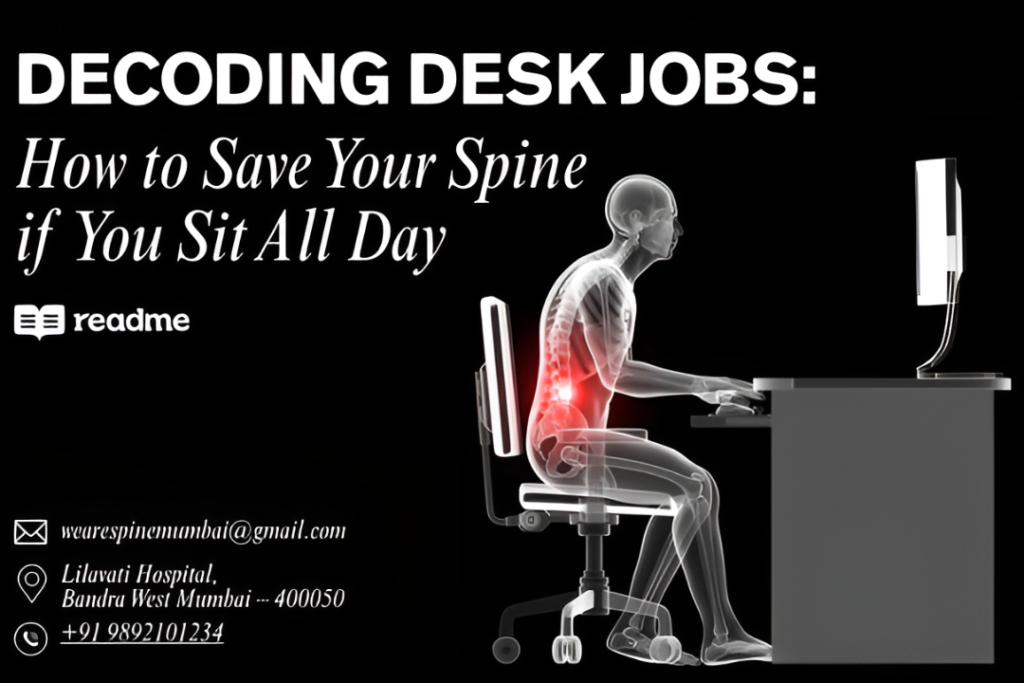
Decoding Desk Jobs: How to Save Your Spine if You Sit All Day The Modern Work Culture and Your Spine From IT professionals and designers to teachers and telecallers, millions of Indians today spend the majority of their workday seated at a desk. While this might sound less physically demanding than field jobs, sitting for prolonged hours is silently harming your spine. At We Are Spine, our mission is to raise awareness about spinal health through accurate medical knowledge, and promote prevention as the first step toward a pain-free life. This blog takes a factual deep-dive into how desk jobs contribute to spinal issues and what you can do to safeguard your back—starting today. How Sitting All Day Impacts Your Spine 1. The Mechanics of Sitting When you sit, particularly in a slouched or static posture, several things happen: Your spine’s natural S-curve flattens, stressing the lower back. The intervertebral discs—the cushions between your spine bones—experience increased pressure. Blood flow to the spine and surrounding muscles reduces, leading to fatigue and stiffness. Studies show that lumbar disc pressure increases by up to 40% while sitting compared to standing. (Source: Wilke et al., 1999, Spine journal) 2. Common Spine Issues Among Desk Workers Prolonged sitting, poor posture, and ergonomically unfit workspaces have led to a noticeable rise in spinal problems among desk job professionals. Spine care clinics, including WeAreSpine, frequently encounter patients experiencing a range of musculoskeletal issues related to sedentary work environments. Some of the most common conditions include: Lumbar Spondylosis: Degeneration of the lower spine often linked to chronic slouching or poor lumbar support. Cervical Disc Bulge: Caused by sustained forward head posture while using screens. Sciatica: Nerve compression due to prolonged sitting and disc pressure. Text Neck Syndrome: Neck strain resulting from frequent device use with poor head positioning. Myofascial Pain Syndrome: Localized muscle pain and trigger points due to static posture and lack of movement. These conditions highlight the urgent need for spine-friendly workplace habits, early diagnosis, and preventive care strategies—areas actively addressed by spine health professionals and institutions like WeAreSpine. 3. Psychological Stress and Spine Pain The body and mind are interconnected. Chronic stress at the workplace leads to muscle tension, poor posture, and elevated pain perception. People under psychological stress tend to unknowingly tense their shoulder and back muscles, exacerbating pain conditions. The Science-Backed Dangers of Prolonged Sitting A Sedentary Epidemic According to a 2020 WHO report, physical inactivity is among the top 10 leading causes of death globally. Desk jobs are a major contributor to a sedentary lifestyle, with repercussions far beyond spinal health: Reduced metabolic rate Higher risk of diabetes and heart disease Obesity-related spine load Muscle deconditioning, particularly core muscles that support the spine Office Ergonomics: The Missing Puzzle Poor office ergonomics is a silent hazard. Most workstations in India—especially in small offices and homes—are not designed keeping spinal health in mind. Factors such as: Non-adjustable chairs Screens placed too low Inadequate lumbar support Absence of footrests All contribute to poor sitting posture and cumulative spine stress. Red Flags: When to Take Action Here are signs that your desk job might be harming your spine: Frequent neck or back stiffness Radiating pain down the arms or legs Numbness or tingling in fingers/toes Pain that worsens by the end of the workday Poor sleep due to back discomfort Early intervention is key. At We Are Spine, we recommend seeing a spine specialist if you experience any of these symptoms consistently. WeAreSpine’s Expert Tips: How to Save Your Spine if You Sit All Day 1. Master the Art of Ergonomic Sitting Set up your workstation to support—not sabotage—your spine health. Chair: Use one with lumbar support, adjustable height, and armrests. Feet: Flat on the ground or on a footrest. Avoid crossing legs. Screen: At eye level, about an arm’s length away. Keyboard & Mouse: Close enough so your elbows are at a 90° angle. Tip: The 90-90-90 rule is golden—hips, knees, and elbows should be at 90° angles when seated. 2. Incorporate Micro-Movements Sitting is not bad—sitting still for hours is. Change your position every 20–30 minutes. Stand while taking calls Do shoulder rolls and neck tilts at your desk Get up to fetch water or walk to a colleague’s desk At We Are Spine, we call this “Movement Nutrition” — short, regular movements that nourish your spine. 3. Use the 20-20-20 Rule For screen-heavy jobs, every 20 minutes: Look at something 20 feet away For at least 20 seconds This not only protects your eyes but also reminds you to shift posture, relax your neck, and reduce cognitive load. 4. Stretch Like Your Spine Depends on It—Because It Does Incorporate the following desk-friendly stretches: Seated Spinal Twist Shoulder Shrugs Neck Side Tilts Seated Forward Bend Hamstring Stretch (standing) You can find guided videos for these stretches on We Are Spine’s YouTube Channel, crafted by our physiotherapy experts. 5. Strengthen Your Core Your core muscles are the natural corset for your spine. Weak core = unsupported spine. Effective, no-equipment exercises include: Bird-Dog Glute Bridge Plank (even 30 seconds helps!) Dead Bug Our spine specialists and rehab therapists often recommend these as part of a desk-worker spine care routine. Workplace Wellness: How Employers Can Help 1. Promote Active Work Culture Walking meetings Standing desks Scheduled stretch breaks 2. Ergonomic Assessments Employers should consider periodic ergonomic audits and offer adjustable workstations. 3. Employee Education Wellness workshops on spinal health, stress management, and posture awareness are powerful tools to reduce absenteeism and enhance productivity. At We Are Spine, we collaborate with workplaces to conduct spine health seminars and ergonomic awareness drives. Reach out if you’d like to host one at your company. Tech Tools That Support Your Spine Today, technology can assist you in maintaining good spine health at work: Posture Reminder Apps (e.g., PostureMinder, Ergonomic Assistant) Fitness Bands/Smartwatches with move reminders Sit-Stand Desks that can be adjusted every hour Ergonomic Mouse/Keyboard that reduce strain on shoulders and wrists Home Office? Don’t Compromise The work-from-home culture has led many to work from couches and beds, worsening posture. If you’re working remotely: Avoid working while lying down. Invest in a good chair and
Why Annual Spine Check-Ups Are Important – Especially After 40
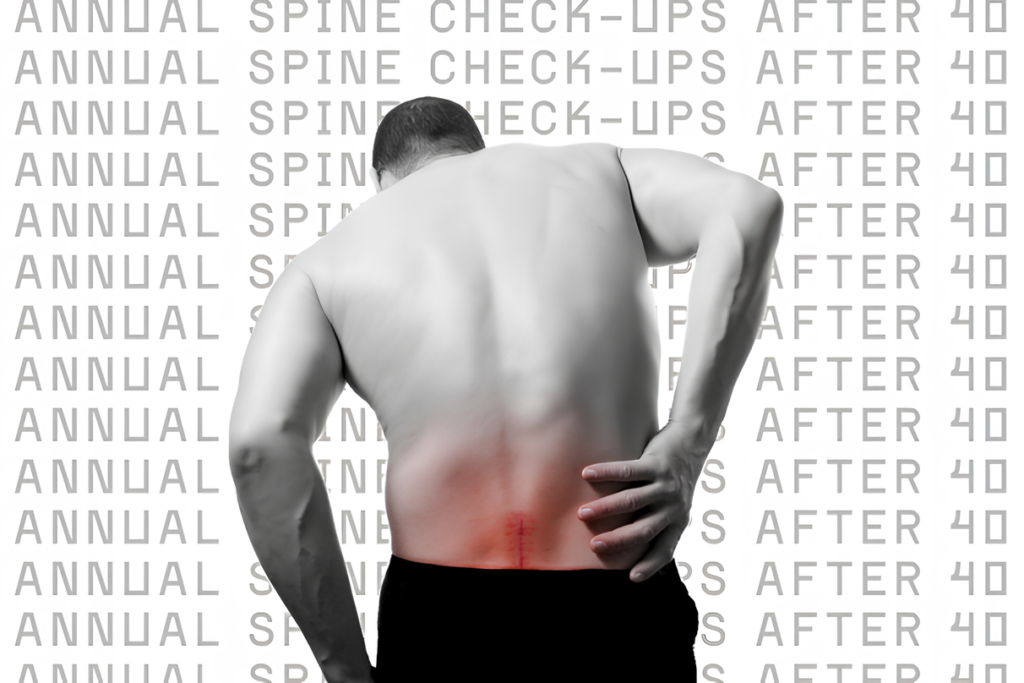
Why Annual Spine Check-Ups Are Important – Especially After 40 Turning 40 Is Not the End—But It’s the Time to Act When we think of age-related check-ups, we often focus on diabetes, blood pressure, or cholesterol. But there’s one vital area that most people—especially in India—tend to ignore: spine health. The spine is central to everything we do—from walking and lifting to simply sitting or sleeping. Yet, it is rarely given attention until pain begins to interfere with daily life. At WeAreSpine, we believe in prevention before pain. That’s why we strongly recommend annual spine check-ups after the age of 40. Whether you’re a working professional, homemaker, or retiree, taking care of your spine at this stage is crucial for ensuring a pain-free, mobile, and independent life. What Happens to the Spine After 40? The spine begins to undergo gradual wear and tear after the age of 30, but it’s often around 40 years that symptoms start appearing—especially if there has been poor posture, repetitive physical work, or injury. Here’s how the spine changes with age: Disc Dehydration: Intervertebral discs lose moisture and elasticity, reducing their cushioning effect. Joint Stiffness: Spinal joints lose flexibility, making movement more difficult. Degenerative Changes: Conditions like osteoarthritis, spondylosis, and spinal stenosis begin to appear. Muscle Weakness: Supporting muscles weaken, especially in sedentary lifestyles, reducing stability. Bone Loss: Women in particular face a steep drop in bone density post-menopause, increasing risk of fractures. These changes are a natural part of aging, but they can be monitored and managed through regular screenings. Why Spine Check-Ups Are Crucial After 40 Here’s why scheduling an annual spine check-up after 40 can save you from serious complications later in life: 1. Early Detection of Degenerative Conditions Most spinal problems begin silently. Conditions like degenerative disc disease or cervical spondylosis can be asymptomatic for years before suddenly causing severe pain, numbness, or mobility issues. Regular exams help detect these early. 2. Prevention of Permanent Nerve Damage Untreated conditions such as spinal stenosis or herniated discs can compress spinal nerves, leading to irreversible damage. Timely intervention prevents long-term complications like sciatica or limb weakness. 3. Better Management of Osteoporosis Women over 40, especially postmenopausal women, are at increased risk of vertebral compression fractures. A DEXA scan and spine screening can detect bone thinning early. 4. Customized Lifestyle Guidance A spine check-up isn’t just about tests. It’s also about understanding your body mechanics and getting personalized advice on posture, exercises, and ergonomics. 5. Avoiding Surgery Through Prevention With early detection, most spine conditions can be managed non-surgically through physiotherapy, bracing, or posture correction—avoiding costly procedures. Common Spine Problems Detected After 40 1. Degenerative Disc Disease (DDD) Occurs when spinal discs dry out and shrink. Symptoms: back pain, stiffness, and radiating pain to arms or legs. 2. Lumbar Spondylosis Wear and tear of the lower back vertebrae and joints. Leads to stiffness, pain on standing or walking. 3. Cervical Spondylosis Age-related changes in neck vertebrae. Symptoms include neck pain, dizziness, and tingling in the arms. 4. Sciatica Compression of the sciatic nerve, often due to a slipped disc. Causes shooting pain from the lower back down to the legs. 5. Spinal Stenosis Narrowing of the spinal canal that presses on nerves. Can lead to numbness, tingling, or weakness in the legs. 6. Osteoporosis-related Compression Fractures More common in post-menopausal women. Fragile vertebrae collapse under pressure, causing severe back pain and height loss. Many of these conditions start silently and worsen over time. Regular check-ups allow early intervention. What Happens During a Spine Check-Up at WeAreSpine? When you schedule a consultation through WeAreSpine.in, here’s what you can expect: Detailed Medical History Review Understanding your lifestyle, profession, prior injuries, or family history. Posture and Gait Analysis Observing how you walk, stand, and sit—key indicators of spinal misalignment or muscular imbalance. Neurological Examination Checking reflexes, muscle strength, coordination, and any nerve involvement. Imaging Tests (as needed) X-rays for spinal structure and alignment MRI to examine discs, nerves, and spinal canal DEXA scan to check for osteoporosis Individualized Plan You’ll receive a tailored treatment or prevention plan based on findings—this may include physiotherapy, yoga/stretching routines, ergonomic tips, or in advanced cases, surgical consultation. Why Annual Check-Ups Are Especially Important for Women Women face unique risks due to hormonal changes post-menopause: Loss of estrogen accelerates bone loss. High prevalence of osteoporosis, increasing spinal fracture risk. Back pain is often underreported by women, seen as a ‘normal part of life’. At WeAreSpine, we prioritize spine health in women over 40 by incorporating bone density screenings and offering advice tailored to female physiology. Urban vs. Rural Spine Health Challenges Whether you’re in a city or a village, spinal health needs attention. However, challenges differ. Urban Adults (40+) Desk jobs → Poor posture, sedentary lifestyle Stress → Muscle tightness, neck pain Screen time → Cervical strain Lack of exercise → Weak core muscles Rural/Manual Workers (40+) Physical labor → Repeated lifting, bending Ignoring pain → Delayed treatment Limited access to spine specialists Cultural stigma around seeking help Spine check-ups are beneficial across demographics, but awareness and accessibility are key. What You Risk by Skipping Annual Spine Check-Ups Progression from mild pain to chronic, disabling pain Missed early diagnosis of nerve compression or spinal stenosis Risk of fractures going undetected (especially in women) Delay in seeking non-surgical interventions Sudden onset of debilitating conditions like slipped disc Remember, spine diseases are progressive. Skipping early screening often means facing more invasive treatments and prolonged recovery later. How to Maintain a Healthy Spine After 40 Apart from annual check-ups, here are spine care tips we recommend: Stay Active Regular walking, yoga, and stretching reduce stiffness and strengthen back muscles. Strengthen Your Core A strong core provides stability and reduces load on the lower back. Practice Good Posture Use ergonomic chairs, avoid slouching, and take frequent breaks from sitting. Lift Properly Bend from the knees, not the back. Avoid twisting while lifting. Nutrition Matters Ensure adequate intake of calcium and vitamin D to
Spine Health in Women: Why They’re at Higher Risk for Back Issues
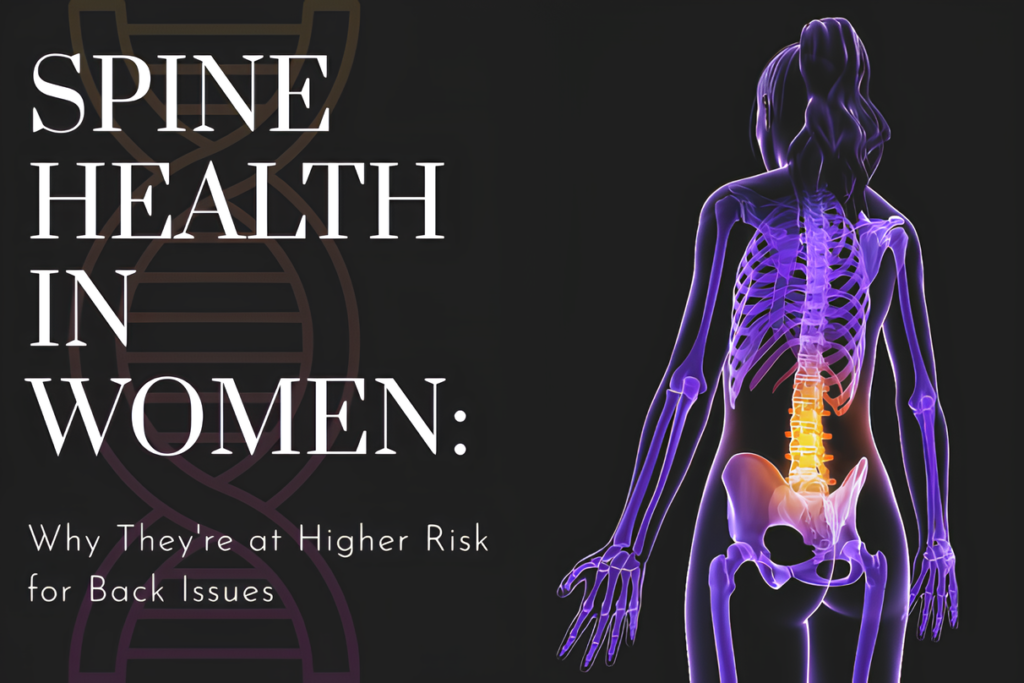
Spine Health in Women: Why They’re at Higher Risk for Back Issues Spine health in women is a critical yet often overlooked aspect of overall well-being. Back pain is one of the leading causes of disability globally—and among the people affected, women make up a disproportionately large share. While anyone can suffer from spinal problems, women face unique biological and physiological challenges that make them more susceptible. From the stress of pregnancy to the silent progression of osteoporosis and the impact of hormonal changes, the spine often bears the burden of life transitions that are specific to women. At WeAreSpine, we recognize the gender-specific nuances of spinal health. Our commitment to evidence-based care, minimally invasive treatment options, and rehabilitation protocols tailored for women ensures that we meet the needs of women at every stage of life. In this blog, we take a detailed look at why women are at higher risk for back issues and what steps they can take to protect their spine health. Why Women Are More Prone to Back Issues There isn’t a singular cause behind why women face more back issues—rather, it’s the result of a combination of anatomical, hormonal, and lifestyle factors. Here’s a closer look: 1. Hormonal Changes and Their Impact Hormones play a key role in bone health, muscle elasticity, and pain sensitivity. For women, hormonal fluctuations across different life stages can directly impact spinal integrity: Menstrual cycle: During menstruation, changes in estrogen and progesterone levels can increase muscle tension and pain perception, leading to temporary backaches or increased discomfort from existing spinal issues. Perimenopause and menopause: The drop in estrogen levels during this phase affects bone mineral density and the hydration of intervertebral discs. This speeds up disc degeneration and loss of bone mass, which can lead to conditions like degenerative disc disease and osteoporosis. Ligament laxity: Estrogen influences ligament flexibility. When hormone levels fluctuate, ligaments supporting the spine may weaken, making the spine more vulnerable to injury. Fact: According to the International Osteoporosis Foundation, 1 in 3 women over age 50 will experience osteoporotic fractures in their lifetime. 2. Pregnancy and Postpartum Strain Pregnancy is a uniquely female experience that introduces a wide range of spinal stresses: The growing fetus shifts a woman’s center of gravity, increasing lumbar lordosis, which is a leading cause of lower back pain during pregnancy. The hormone relaxin, released during pregnancy, softens ligaments and joints to prepare for childbirth—but also reduces spinal stability. Postural changes, prolonged standing, lifting toddlers, and improper nursing posture continue to stress the back even after childbirth. Clinical Insight: Studies suggest that more than 50% of pregnant women experience significant back pain, and in many cases, it can continue postpartum if not managed with proper physiotherapy and spinal care. 3. Osteoporosis and Bone Health in Women Osteoporosis is a silent condition that often goes unnoticed until a fracture occurs. Women are significantly more affected than men, primarily due to the loss of protective estrogen after menopause. Bone density loss begins in the mid-30s but accelerates after menopause. The vertebrae, being porous and lightweight, are particularly vulnerable to fractures. Compression fractures can occur with minor trauma or even routine activities like bending or lifting light objects. Symptoms of spinal compression fractures may include: Sudden or severe back pain Loss of height over time A hunched forward posture (kyphosis) At WeAreSpine, our spine specialists offer non-invasive treatments like vertebroplasty, along with bone health monitoring to manage such conditions proactively. Spine Conditions That Commonly Affect Women Let’s examine some specific spinal conditions where women are at higher risk: A. Degenerative Disc Disease Aging, hormonal imbalances, and physical stressors accelerate disc dehydration and degeneration, especially in women. Symptoms include: Chronic lower back or neck pain Numbness or tingling in limbs Pain aggravated by movement B. Spinal Osteoarthritis More prevalent in postmenopausal women, this condition affects the facet joints of the spine, causing: Joint stiffness Morning back pain Decreased range of motion C. Sacroiliac (SI) Joint Dysfunction The SI joint connects the spine to the pelvis. It becomes unstable or inflamed during pregnancy or after childbirth due to ligament stretching and postural changes. Women may feel: Pain in the lower back, hips, or buttocks Discomfort while climbing stairs or standing from a seated position D. Scoliosis in Women Adult-onset scoliosis, often due to degenerative changes, is more frequent in women. In addition to visible curvature, it may lead to: Nerve compression Uneven hips or shoulders Mobility limitations Spine Health Across a Woman’s Life Stages Spinal health is not static—it changes across a woman’s lifespan. Here’s how to monitor and manage spine health at different ages: Adolescence and Early Adulthood Carrying heavy school bags Poor screen-time posture Participation in sports without proper warm-up Prevention tip: Encourage strength training and proper posture education from an early age. Reproductive Years (20s–40s) Hormonal fluctuations affect joints and ligaments. Pregnancy and caregiving activities place strain on the back. Sedentary desk jobs contribute to poor spinal ergonomics. Actionable advice: Invest in ergonomic furniture, regular exercise, and pre/postnatal physiotherapy. Postmenopausal Years (50+) High risk of osteoporosis and fractures. Muscle mass and flexibility decline. Weight gain and inactivity aggravate spine issues. Management strategies: Regular bone density scans, calcium & vitamin D supplements, and tailored physiotherapy routines. Prevention and Lifestyle Tips for Long-Term Spine Health in Women Spine health is not just about treatment—it’s about prevention and maintenance. Here are some key tips tailored for women: 1. Stay Physically Active Engage in weight-bearing exercises like walking or light jogging. Practice yoga or Pilates to strengthen core muscles. Avoid prolonged inactivity, which weakens spinal support. 2. Focus on Posture Sit upright with lumbar support. Adjust screen height to avoid neck strain. Carry bags with two straps or use trolleys instead. 3. Maintain Healthy Bone Density Consume calcium-rich foods (dairy, leafy greens, sesame seeds). Ensure sufficient vitamin D exposure through sunlight or supplements. Get DEXA scans post-menopause for early detection of osteoporosis. 4. Be Pregnancy-Smart Use correct lifting techniques—bend at the knees, not the waist. Sleep with support pillows to reduce spinal pressure. Consult with a physiotherapist for pelvic and lumbar strengthening. 5. Manage Hormonal Health Consult gynecologists about HRT (Hormone Replacement Therapy) when appropriate. Avoid over-reliance on painkillers for menstrual back pain—explore long-term solutions like physical therapy or posture correction. When to
7 Warning Signs Your Back Pain Could Be Serious
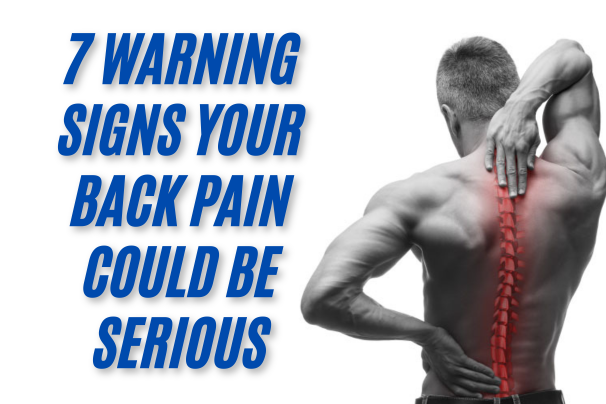
7 Warning Signs Your Back Pain Could Be Serious 7 Warning Signs Your Back Pain Could Be Serious Back pain affects millions across India, but not every ache is harmless. While most back pain stems from muscle strain, poor posture, or stress, some cases point to serious spinal conditions that need medical attention. Ignoring these signs can result in long-term damage, disability, or even paralysis. This is especially true in rural India, where spine health is often neglected due to lack of awareness and medical access. Let’s break down the seven warning signs that your back pain may be more than just routine discomfort — and when to take it seriously. 1. Persistent Pain That Lasts More Than a Few Weeks In such cases, a timely spine hospital consultation is crucial, as advanced imaging and specialist assessment are often required to determine the exact cause and prevent progression. Mild back pain often improves with rest, physiotherapy, or basic medications. But if the pain lasts longer than 4 weeks, it’s a red flag. Chronic back pain may suggest: Herniated disc Spinal tuberculosis Inflammatory spine disease Degenerative disc disease This is not normal back strain. It may require imaging tests like an MRI or X-ray and a detailed spine evaluation. In rural areas, such cases are often misdiagnosed or dismissed as “work-related pain,” leading to delayed treatment and worsening conditions. 2. Pain That Radiates to Your Legs or Feet Does your back pain shoot down your thigh or calf? This is a sign of nerve compression, often caused by: Slipped disc pressing on the sciatic nerve (sciatica) Spinal stenosis (narrowing of the spinal canal) Degenerative spine changes Accompanying symptoms may include: Tingling or burning in legs Numbness in feet Difficulty lifting your foot (foot drop) These symptoms indicate that the spinal nerves are irritated or compressed, requiring immediate medical attention. 3. Fever, Night Sweats, or Unexplained Weight Loss Back pain combined with fever, chills, or weight loss may signal a systemic issue, such as: Spinal infection (osteomyelitis or TB) Cancer that has spread to the spine Autoimmune diseases This type of pain may not respond to regular painkillers. You need proper blood tests, scans, and expert diagnosis. In India, spinal tuberculosis (Pott’s disease) is still prevalent, especially in undernourished or immunocompromised individuals in rural and tribal populations. 4. Pain That Gets Worse at Night or While Resting Mechanical back pain from posture or lifting usually improves with rest. But if your pain worsens at night or when lying down, this could indicate: Spinal tumor Infections like TB or abscess Inflammatory arthritis (e.g., ankylosing spondylitis) Night pain is considered a red flag by spine specialists — it may suggest that the pain source is internal or structural, not muscular. 5. Loss of Bladder or Bowel Control If you suddenly can’t control your urine or bowels and also feel numbness in your inner thighs or buttocks, it could be Cauda Equina Syndrome. This is a surgical emergency caused by compression of the spinal nerve roots in the lower back. It can happen due to: Severe disc herniation Tumor Infection Trauma Immediate surgery is often required to avoid permanent disability. 6. Weakness or Numbness in the Legs If your legs feel heavy, weak, or numb — or you struggle to walk — this could point to spinal cord or nerve compression. In cases where vertebrae slip forward and compress spinal nerves, early spondylolisthesis treatment is essential to prevent permanent weakness or difficulty walking. Conditions that cause this: Cervical myelopathy (cord compression in the neck) Advanced lumbar disc degeneration Spinal cord tumors or syrinx This could progress to difficulty walking, imbalance, or permanent limb weakness, making early diagnosis crucial. 7. History of Injury, Trauma, or Osteoporosis If you recently had a fall, accident, or lifted heavy weights, and now have back pain, it could be due to: Spinal fracture Vertebral compression Disc rupture Those with osteoporosis (especially postmenopausal women or the elderly) are more prone to fragile spine fractures, even from minor trauma. In rural India, where bone health awareness and calcium intake are poor, such fractures often go unnoticed or untreated. What Increases Your Risk of Serious Back Pain? Several risk factors make you more prone to serious spinal issues: Age over 50 Manual labor (common in rural/agricultural workers) Smoking or alcohol use Poor nutrition and malnourishment Long-term steroid use Pre-existing conditions like diabetes, TB, or cancer Awareness of these risk factors helps with early prevention and diagnosis. Prevention Tips for a Healthy Spine While some causes of back pain are unavoidable, you can still protect your spine by adopting these habits: Exercise regularly – walking, stretching, and yoga improve spine flexibility. Lift properly – bend your knees, not your back. Improve posture – avoid long sitting hours, especially with poor back support. Stay nourished – calcium, vitamin D, and protein are essential for spinal bone health. Get early medical attention – don’t ignore persistent or unusual back pain. Spine-related disabilities are highly preventable when addressed early. Why Early Diagnosis Matters – Especially in Rural India In underserved parts of India, back pain is often dismissed due to: Lack of imaging tools like MRI or X-rays Inaccessibility of spine specialists Over-reliance on painkillers or unverified home remedies Economic constraints and lack of awareness This delay can turn treatable conditions into lifelong disabilities — especially in youth and working-age individuals. When Should You See a Doctor for Back Pain? Don’t delay medical care if you experience: Pain lasting more than 4–6 weeks Radiating leg pain or numbness Back pain with fever or weight loss Night pain or rest pain Bowel or bladder issues Muscle weakness in the legs Early detection can save your spine — and your independence. Conclusion Not all back pain is equal. The next time you or someone you know experiences persistent or unusual back pain, pay close attention to the signs. Recognize the red flags. Seek expert care. Don’t let silence or delay steal your mobility. Spine health is not a luxury
Sciatica Explained: Causes, Symptoms And Treatments
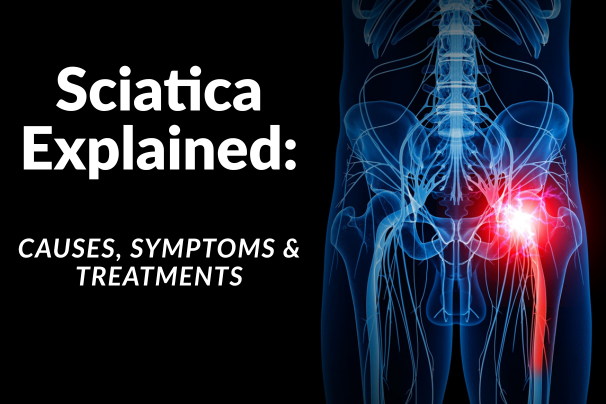
Sciatica Explained: Causes, Symptoms And Treatments Sciatica is one of the most common types of nerve-related pain, affecting millions of individuals worldwide. It’s not a condition in itself but a symptom of an underlying issue involving the sciatic nerve—the largest and longest nerve in the human body. People suffering from sciatica often report a sharp, shooting pain that travels from the lower back down through the buttocks and legs, usually on one side. In this blog, we’ll explore what sciatica really is, what causes it, how it manifests, and the evidence-based treatment options available for relief and recovery. What is Sciatica? The term “sciatica” refers to pain that radiates along the path of the sciatic nerve, which branches from the lower back (lumbar spine), passes through the hips and buttocks, and travels down each leg. Sciatica usually affects only one side of the body and can range from mild discomfort to severe, disabling pain. Depending on the severity and underlying cause, it may be a short-term nuisance or a chronic condition requiring long-term management. What Causes Sciatica? Sciatica typically occurs when the sciatic nerve is compressed or irritated, which may happen due to several spine-related conditions. The most common causes include: 1. Herniated Disc A herniated (or slipped) disc is the most frequent cause of sciatica. The spinal discs act as cushions between vertebrae. When the soft center of a disc protrudes through a crack in the tougher exterior, it can press on the sciatic nerve roots, causing pain. 2. Degenerative Disc Disease This age-related condition occurs when spinal discs wear down over time, reducing the space between vertebrae and possibly pinching nerve roots. 3. Spinal Stenosis Narrowing of the spinal canal in the lumbar area can compress nerve roots, including the sciatic nerve, leading to radiating pain and numbness. 4. Spondylolisthesis This condition involves one vertebra slipping over another, which may irritate or pinch the sciatic nerve. 5. Piriformis Syndrome The piriformis muscle, located deep in the buttocks, can sometimes spasm or tighten and irritate the sciatic nerve running nearby. While less common, this muscular cause is still clinically recognized. 6. Trauma or Injury A direct injury to the lower spine or pelvis can result in inflammation or nerve damage that may trigger sciatica. 7. Tumors or Infections (Rare) In rare cases, tumors pressing on the nerve or infections affecting the spine can be the root cause of sciatica. Common Symptoms of Sciatica Sciatica symptoms can vary based on the underlying cause, but most people report: ➤ Radiating Pain: Pain that starts in the lower back or buttock and travels down the back of the thigh and leg. The intensity can range from a dull ache to a sharp, burning, or excruciating pain. ➤ Numbness or Tingling: Some patients experience pins-and-needles sensations or numbness along the sciatic nerve path. ➤ Muscle Weakness: Muscle weakness in the affected leg or foot is possible in more severe cases. ➤ Worsened by Movement: Pain may intensify while sitting, coughing, sneezing, or after prolonged standing or walking. ➤ One-Sided Discomfort: Sciatica usually affects only one side of the lower body. Note: If symptoms include loss of bladder or bowel control, or significant leg weakness, it may indicate a medical emergency called Cauda Equina Syndrome, requiring immediate care. Who is at Risk? Several factors increase the risk of developing sciatica: Age: Disc degeneration becomes more likely with age. Occupation: Jobs involving heavy lifting, twisting, or prolonged sitting can stress the spine. Obesity: Excess body weight increases pressure on spinal structures. Sedentary Lifestyle: Lack of regular physical activity weakens back and core muscles. Diabetes: Can increase risk of nerve damage, including to the sciatic nerve. Diagnosing Sciatica A healthcare provider will typically begin with a physical examination to evaluate reflexes, muscle strength, and leg movement. If necessary, imaging tests may be used, including: X-rays – to check for bone-related issues. MRI (Magnetic Resonance Imaging) – offers detailed views of soft tissues, including discs and nerves. CT Scans – sometimes used with a contrast dye (CT myelogram). Electromyography (EMG) – evaluates nerve and muscle function. Diagnosis helps in tailoring the right treatment plan, especially when conservative options don’t work. Treatment Options for Sciatica Treatment varies depending on the cause and severity. In many cases, non-surgical methods provide sufficient relief. 1. Conservative (Non-Surgical) Treatments ➤ Physical Therapy Structured exercises guided by a physiotherapist can strengthen core and back muscles, improve posture, and reduce nerve pressure. ➤ Medications NSAIDs (e.g., ibuprofen, naproxen) – to relieve inflammation and pain. Muscle relaxants – for relieving muscle spasms. Neuropathic pain medications – such as gabapentin or pregabalin. Steroid injections – epidural corticosteroid injections can help reduce inflammation around the nerve roots. ➤ Hot and Cold Compresses Cold packs can reduce inflammation, while heat therapy helps relax muscles and improve blood flow. ➤ Activity Modification Bed rest is discouraged. Instead, patients are encouraged to stay active but avoid activities that worsen the pain. 2. Alternative Therapies ➤ Acupuncture Some patients find temporary relief through acupuncture sessions that stimulate specific points and nerves. ➤ Chiropractic Adjustments Licensed chiropractors may use spinal manipulation to reduce nerve irritation, although this is not recommended for all causes (e.g., herniated discs). ➤ Yoga and Stretching Gentle stretching and yoga, under supervision, can improve flexibility and relieve pressure on the sciatic nerve. 3. Surgical Options Surgery is typically considered only when: Pain persists beyond 3 months despite conservative treatment. There is progressive neurological weakness. There’s evidence of cauda equina syndrome or severe nerve compression. Common Surgical Procedures: Microdiscectomy – removes the herniated part of the disc compressing the nerve. Laminectomy – removes part of the vertebral bone (lamina) to relieve pressure. Outcomes are generally favorable when surgery is performed for the right reasons. Sciatica Prevention Tips While not all cases are preventable, some habits can reduce your risk: Maintain a healthy weight Exercise regularly, focusing on core and back strength Practice good posture, especially while sitting Lift objects properly by bending at the knees Avoid sitting for prolonged periods without breaks Final Thoughts Sciatica can significantly impact your quality of life, but understanding its causes and addressing symptoms early can make a huge difference. With accurate diagnosis and an appropriate treatment