Sciatica Relief at Home: Acupuncture Points You Can Target Using Everyday Items
Acupuncture Points for Sciatica Relief at Home Acupuncture Points for Sciatica (Quick List) GB30 (Huantiao) – Hip pain relief BL23 & BL25 – Lower back support BL40 – Behind the knee for nerve pain BL57 – Calf pain relief KD3 – Inner ankle for chronic pain LI4 – Hand point for overall pain relief These points can be stimulated using pressure, massage, or simple tools at home. Sciatica is an overwhelming condition that affects millions of people worldwide that causes pain which radiates from the lower back down through the legs. Though traditional treatments such as pain medications and physical therapy bring relief, many individuals seek alternative and long-term solutions. Along with holistic therapies like acupuncture, consulting a trusted spine clinic in Mumbai can help identify the root cause of sciatica and create a personalized treatment plan. Sciatica happens when the sciatic nerve, which is the longest nerve in the human body, gets irritated or compressed. This leads to symptoms like: Sharp or burning pain radiating down the leg Numbness or tingling sensations Weakness in the affected leg Difficulty standing or walking for long periods Acupuncture points, or acupoints, are particular spots on the body where acupuncture needles, pressure, heat or electrical stimulation may be used to enhance the healing process and balance the energy flow of the body also known as Qi (Chi). The points are charted along meridians—energy pathways that refer to various organs and body functions in Traditional Chinese Medicine (TCM). Pain or disease develop when Qi becomes imbalanced or obstructed. Acupuncture works by stimulating certain points on these meridians to re-establish balance, decrease inflammation and stimulate natural healing. Acupuncture is a traditional practice based on Traditional Chinese Medicine (TCM) and has become a potent remedy for treating sciatic nerve pain. Here in this blog, we are going to learn how to acupuncture at Home for Sciatica, the most effective acupuncture points, its advantages and expert-approved tips for achieving the best results. For Sciatica Pain Relief, acupunctures targets points to decrease inflammation, relieve nerve pressure and support blood flow to relax pain in the sciatic nerve. Techniques Used for Sciatica Relief Acupuncturists uses various methods to stimulate acupuncture points and ease pain in the sciatic nerve: 1. Traditional Needle Insertion Thin and sterilized needles are inserted into acupoints to stimulate the flow of Qi, ease inflammation and heal. The needles are left in that position for 15-30 minutes during a session. 2. Electroacupuncture Low-voltage electrical currents are used on the needles to maximize the stimulation of muscles and nerves. This is particularly effective in cases of chronic sciatica or extreme nerve pain. 3.Moxibustion (Heat Therapy) Burning of mugwort herb (moxa) in close proximity to the acupuncture points warms the area and increases blood flow. This method is usually coupled with needle therapy to unwind muscles and ease nerve compression. 4.Cupping Therapy Glass or silicone cups are applied to the skin to produce suction, which enhances blood flow to the lower back and legs. It relieves tension in the tight muscles that are around the sciatic nerve. 5. Tui Na (Chinese Massage) This is deep tissue massage that is used to treat acupoints and meridians along the lower back, hips and legs. It sssists in relieving nerve compression and helps to enhance flexibility. The key acupuncture points for sciatica include: 1. Lower Back & Hip Points (Local Points) BL23 (Shenshu) – Located on the lower back, near the lumbar spine; strengthens the lower back and relieves pain. BL25 (Dachangshu) – Found in the lumbar region; helps with lower back stiffness and sciatic pain. GB30 (Huantiao) – Located on the buttocks, near the hip joint; one of the most powerful points for sciatic pain relief. 2. Leg & Knee Points BL40 (Weizhong) – Found behind the knee; reduces lower back pain and stiffness. BL57 (Chengshan) – Located in the calf muscle; helps with leg cramps and sciatic nerve pain. GB34 (Yanglingquan) – Found on the outer lower leg; relaxes tendons and relieves sciatic nerve tension. 3. Foot & Ankle Points KD3 (Taixi) – Located on the inner ankle; strengthens the lower back and relieves chronic sciatica. BL60 (Kunlun) – Found near the Achilles tendon; promotes pain relief along the lower limb. 4. Hand & Wrist Points (Distal Points) LI4 (Hegu) – Located on the hand between the thumb and index finger; helps reduce overall pain. PC6 (Neiguan) – Found on the wrist; helps with relaxation and reduces nerve tension. Home-Based Acupressure Routine for Sciatica Relief Duration: 15-20 minutesBest Time: Morning & EveningTools: Tennis ball, rolling pin, warm towel, chair, yoga mat This routine uses common household items to relieve sciatic pain, improve circulation, and relax muscles. Step 1: Lower Back & Hip Massage with a Tennis Ball Targets: BL23 (Shenshu) & GB30 (Huantiao) How to Do It: Lie on a yoga mat or bed. Place a tennis ball under your lower back or hip area (where the pain is). Gradually shift your body weight over the ball and roll for 1-2 minutes. Repeat on the other side. Pro Tip: If it’s too painful you can use a soft pillow under your back for support. Step 2: Chair-Assisted Knee & Leg Press Targets: BL40 (Weizhong) & BL57 (Chengshan) How to Do It: Sit on a chair with feet flat on the ground. Place your thumbs behind your knees just middle of the back of yourknee. Apply firm pressure for 1 minute and then release. Repeat 2-3 times. Bonus Move: Use a rolling pin (from your kitchen) to gently massage your calvesfor better circulation. Step 3: Foot Reflexology Using a Frozen Water Bottle Targets: KD3 (Taixi) & BL60 (Kunlun) How to Do It: Take a frozen water bottle and put it on the floor. Roll the sole of your foot over the bottle, focusing on the inner arch andheel for 2 minutes. Switch feet and repeat. Why It Works: The cold reduces inflammation, while rolling activatesacupressure points to relax the sciatic nerve. Step 4: Warm Towel Therapy for Relaxation Targets:
Dancing Through the Pain: How Dance Can Help with Back Problems
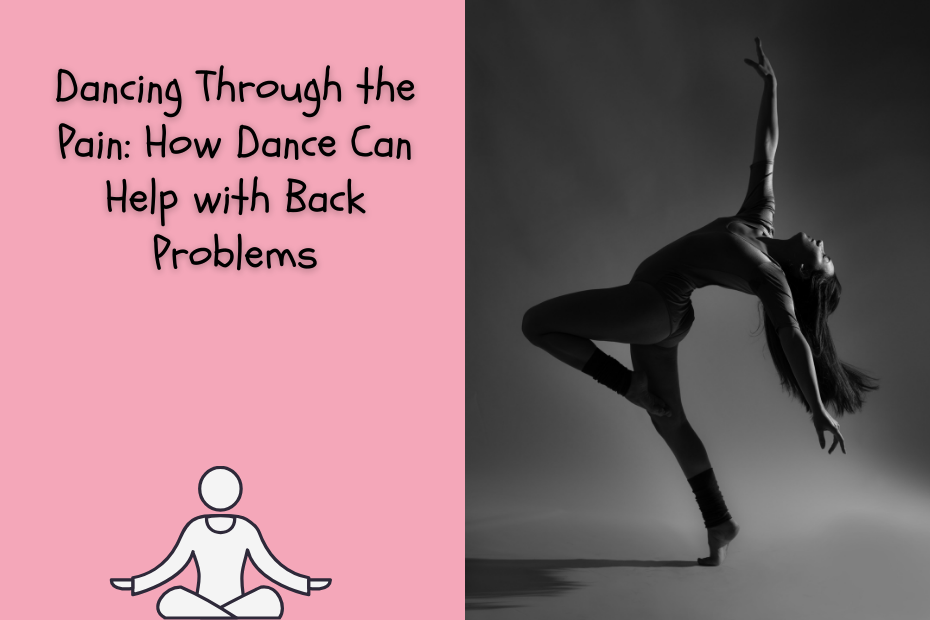
Dancing Through the Pain: How Dance Can Help with Back Problems Back pain has quietly become one of the most common struggles of modern life. Maybe it starts with a dull ache after a long day at your desk. Or maybe it’s that sharp twinge when you bend just a little too far. For some, it’s a constant, nagging presence that shadows every step. Most people reach for a painkiller or book a physiotherapy session, these can help but what if healing could also come from something unexpected? Something joyful, rhythmic, and alive? What if the path to a stronger, pain-free back included dancing? Yes, dance. The kind that gets your heart beating, your spirit lifting, and your body moving in all the right ways. Why We Need to Rethink Movement Let’s face it: we live in a world that encourages stillness. Hours spent sitting—at work, in traffic, on the couch—leave our spines stiff and our muscles underused. Over time, this takes a toll. It causes poor posture, weakened core muscles, limited mobility, and chronic pain. The World Health Organization ranks lower back pain as the leading cause of disability worldwide. It’s no longer just an age-related issue—it affects teenagers, professionals, homemakers, and athletes alike. Yet somewhere along the line, we forgot a basic truth: the body is meant to move. Not just mechanically, but expressively. That’s where dance steps in—not just as a performance, but as a powerful, holistic form of healing. Dance: Movement Therapy Disguised as Joy Dance isn’t only for stage or club. It is a total body workout that enhances strength, flexibility, coordination, and balance—while being outrageously fun. Unlike boring gym exercises, dance exercises the mind and body in an artistic dance. Every step, spin, and reach fires up the muscles that stabilize your spine. What makes dance different? It encourages awareness—of posture, movement, breath, and energy. You’re not just moving through space; you’re connecting with your body in real time. That awareness is a game-changer for managing and preventing back pain. What Science Says About Dance and Back Health Multiple studies have highlighted the benefits of dance for those with chronic back issues. For example: A study in the Journal of Physical Therapy Science showed that dance-based exercises significantly improved core strength, balance, and spinal flexibility in people with persistent lower back pain. Another study involving elderly participants found that regular dance sessions enhanced posture, boosted stabilizing muscles, and reduced fall risks—all key components in spinal health. When you dance, here’s what happens: Deep core muscles like the transversus abdominis and multifidus are activated to stabilize your spine. Postural muscles engage to keep you upright and balanced. Muscles are lengthened and stretched, increasing overall flexibility. And perhaps most importantly, endorphins are released—your body’s natural painkillers. So you’re not just moving. You’re healing. Not All Dance Is Created Equal: Dance for Back Pain Relief Although dance can be profoundly healing, not all dance forms are appropriate for a person who is experiencing back issues. The secret is to select the right type, pay attention to your body, and maintain good technique. 1. Ballet (Beginner-Friendly Versions) Ballet is sometimes called the mother of all dance styles—and rightly so. Its emphasis on alignment, control, and core activation makes it extremely useful for enhancing posture and spinal support. Modified adult ballet classes provide slow, controlled movements that condition your body to move with stability and elegance. Word of warning: Classical ballet involves extreme extensions and high-impact movements that must be avoided or modified. Always work with an instructor knowledgeable about spinal health and able to modify movements to suit your requirements. 2. Belly Dance Don’t be deceived by the glittering costumes—belly dance is serious spinal treatment. Its undulating lines, precise isolations and flowing hip circles helps to stiffen the lower back and core in a motion that causes massage within. Movement such as hip circles, figure-eights, and belly rolls activate deep back and abdominal muscles, which serve to stabilize your spine. It’s low-impact, empowering beyond measure, and develops stunning posture through ongoing movement of the lumbar and thoracic spine. 3. Contemporary Dance Modern dance is where fluidity and freedom come together. An integration of modern, jazz, and ballet dance, it invites you to dance naturally—with rolling, spiralling, twisting and expressive floor work which encourages spinal mobility and articulation. This style is an invitation to creativity and personal expression as well as to therapeutic movement that helps to loosens up the spine and develop flexibility. It’s ideal for individuals who wish to stretch both physically and emotionally. 4. Ballroom Dance Fun and easy to learn, waltz and tango-type ballroom dances focuses on good posture, balance, and soft, partner-based movement. Partner dancing improves proprioception (your knowledge of body position), activates your core, and promotes a tall and open posture. It’s particularly great for seniors or anyone who wants a low-impact but rhythmic type of exercise that doesn’t feel like a workout at all. 5. Latin Dance (Salsa, Zumba, Bachata) Need a dose of joy with your spinal therapy? Latin dances bring the heat and the healing. Styles like salsa and bachata emphasize hip mobility, which naturally mobilizes the lumbar spine and pelvis. Zumba, a cardio-dance hybrid, is loved in fitness communities for being both accessible and effective at building core strength. That said, if you’re experiencing acute lower back pain, steer clear of sudden jerks or dips—move with control and mindfulness. 6. Indian Classical Dances (Kathak, Bharatanatyam) These ancient dance forms are as spiritual as they are physical. With their intricate hand gestures (mudras), rhythmic footwork, and statuesque poses, Indian classical dances build incredible body awareness and strength. They are especially effective for developing posture, coordination, and back stability. However, many of these forms include vigorous stomping and deep bending, so modifications may be necessary if you’re experiencing flare-ups or joint discomfort. 7. Tai Chi & Movement Meditation Though not technically a “dance” style, Tai Chi and other mindful movement practices like 5Rhythms or dance flow meditation offer slow, controlled motions that are incredibly beneficial for the spine. They combine the meditative aspects of stillness with the therapeutic power of gentle movement. Perfect for people dealing with chronic pain, stiffness, or recovery, these forms
Understanding Spine Surgery Costs in Maharashtra: What Patients Need to Know
Understanding Spine Surgery Costs in Maharashtra: What Patients Need to Know In today’s fast-paced world, spinal issues have become very prevalent. From IT professionals working over laptops to old citizens facing age-related wear and tear, spinal problems do not leave anyone behind. In the state of Maharashtra, which has the world-class healthcare setup, the need for spine surgery has risen to great heights. However, when it comes to the price of spine surgery, the majority of patients and families are taken aback. What is the reason behind the price? Is there rural vs. urban difference? Is it different in insurance or government schemes? All these questions have been explored here in this blog with a precise, transparent, and easy-to-grasp understanding of the Spine Surgery Costs in Maharashtra The Need for Spine Surgery The spine is the central support structure of the body. When it gets compromised—due to injury, disease, or wear and tear—it can result in intense pain, restricted movement, and decreased quality of life. While conservative treatments like physiotherapy, medications, or lifestyle changes work for many, others need surgical intervention to restore function and relieve pain. Spine surgeries in Maharashtra are performed for conditions like herniated discs, spinal stenosis, scoliosis, spinal fractures, tumors, and degenerative disc disease. The procedures vary from simple discectomies to complex spinal fusions and minimally invasive surgeries, each with its own set of requirements and associated costs. Factors That Influence the Spine Surgery Costs in Maharashtra When talking about the cost of spine surgery, there is no one-size-fits-all answer. The ultimate cost will depend on several interconnected variables: Type of Condition and Procedure : A single-level disc procedure will, of course, vary in price from a multi-level spinal fusion. More complicated problems take longer operations, more surgeon time and more sophisticated equipment due to which the cost varies. Surgical Technique : Conventional open procedures are less costly in terms of equipment but potentially more time-consuming in hospital stays. Minimally invasive spine procedures (MISS), while less invasive and more quickly recoverable, use advanced devices and technologies that can contribute to higher costs. Spine Surgeon’s Expertise: Highly experienced and internationally trained top-level spine surgeons may require higher fees. But their rate of success, as well as their capacity for complication management, can mean greater outcomes and maybe even lower cost in the long run. Utilization of High-Tech Facilities: Hospitals utilizing robotic-assisted surgery, neuro-navigation systems or intraoperative imaging offer state-of-the-art accuracy and will cost more. Such technologies enhance effectiveness and safety but will increase the cost of surgery. 1. Urban vs. Rural Disparities in Spine Surgery Care in Maharashtra Maharashtra’s healthcare landscape is shaped by stark contrasts between its urban hubs and rural regions. In major cities like Mumbai, Pune, and Nagpur, spine care is highly advanced. These cities are home to hospitals such as Lilavati Hospital, Kokilaben Hospital, Sancheti Institute, and Wockhardt Hospital, which offer cutting-edge spine treatments. Patients here benefit from: Access to internationally trained spine surgeons Advanced technologies like robotic-assisted surgery and intraoperative neuromonitoring In-house diagnostics, surgical planning, and post-op rehabilitation While the quality of care is high, the cost reflects the sophistication—covering not just the procedure but premium services, infrastructure, and surgeon fees. In contrast, rural and semi-urban areas like Gadchiroli, Osmanabad, Nandurbar, or Sindhudurg often struggle with limited access to spine specialists and surgical infrastructure. Many local hospitals can manage diagnostics but are not equipped for complex spinal surgeries. In such cases, patients are referred to city hospitals, adding layers of indirect costs. Example: A farmer from Chandrapur diagnosed with a slipped disc may need to travel to Nagpur’s Wockhardt Hospital or Government Medical College for surgery. Though public hospitals may offer affordable care, travel, accommodation, and lost wages during recovery add to the burden—especially when family members accompany the patient. This urban-rural gap not only affects the cost but also the continuity of care, as rural patients may find it difficult to return for regular follow-ups or physiotherapy sessions post-surgery. 2. Government vs. Private Healthcare Institutions Maharashtra offers spine surgery options through both government and private healthcare institutions, each catering to different segments of the population. Government Hospitals: Affordable, but with Limitations Facilities such as KEM Hospital (Mumbai), Sassoon Hospital (Pune), and Government Medical College (Nagpur) are famous for having qualified doctors and subsidized services. These centers provide free or low-cost spine surgery to eligible patients. Nonetheless, patients are usually confronted with: Long waiting times due to high patient volume Basic infrastructure with wards shared Limited access to newer technology or imported implants Private Hospitals: Quality with a Price Tag Spine surgery can be financially daunting, but insurance coverage and government health programs help ease the burden. Private Insurance: Most comprehensive health insurance plans cover spine surgeries if they are deemed medically necessary. Patients should check: Network hospitals for cashless treatment Pre-authorization requirements Inclusions for post-operative care and rehabilitation 3. Insurance and Government Health Schemes Spine surgery can be financially daunting, but insurance coverage and government healthprograms help ease the burden. Private Insurance: Most comprehensive health insurance plans cover spine surgeries if theyare deemed medically necessary. Patients should check: Network hospitals for cashless treatment Pre-authorisation requirements Inclusions for post-operative care and rehabilitation Government Schemes: Residents of Maharashtra can benefit from: 1. Mahatma Jyotiba Phule Jan Arogya Yojana (MJPJAY) What is it?MJPJAY is a state government health insurance program initiated by the Government of Maharashtra. It is designed to offer cashless, quality healthcare to economically weaker segments of society, particularly for serious or life-threatening illnesses requiring hospitalization—such as spine surgery. Key Highlights: Covers over 1,000 medical procedures, including major and complex spine surgeries like spinal decompression, discectomy, and spinal fusion. Available to Below Poverty Line (BPL) families and select Above Poverty Line (APL) families with special cards like the Orange or Yellow Ration Card. Treatment is free at empanelled government and private hospitals across Maharashtra. Includes pre-hospitalization, surgery, implants, and post-op care (to some extent). 2. Ayushman Bharat – Pradhan Mantri Jan Arogya Yojana (PMJAY) What is it?PMJAY is a health insurance scheme implemented by the central government under the Ayushman Bharat mission. It is popularly referred to as Modicare, and it offers a health cover of ₹5 lakh per family annually for secondary and
From Diagnosis to Support: A Parent’s Guide to Understanding Scoliosis in Children
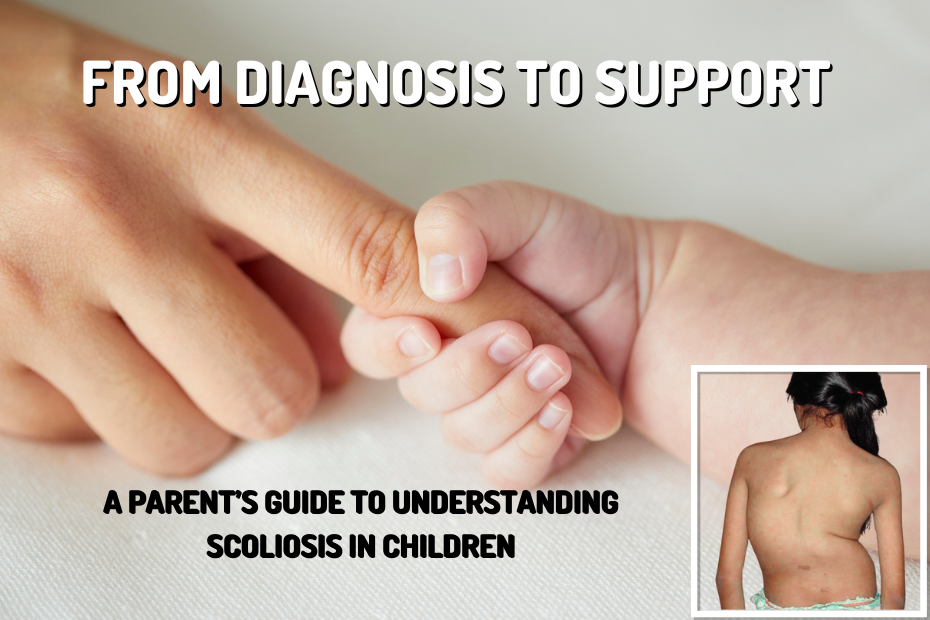
From Diagnosis to Support: A Parent’s Guide to Understanding Scoliosis in Children The spine of humans is an impressive construction, capable of both flexibility and strength. It is not one rigid bone, but many vertebrae which enable us to move as well as bear the weight. When the spine begins to have a sideways curvature, which is greater than 10 degrees, an abnormal sideways curve it is called scoliosis . If severe, this can be greater than 40 degrees, which affects the posture as well as general health of the child. When seen from behind, a healthy spine will seem straight. In contrast Scoliosis in children will have spine curve in the shape of an “S” or “C,”. Based on how serious and consistent the curve is, scoliosis can make one’s shoulders, waist or hips become uneven. Since the condition happens mainly to children and teenagers, early detection can prevent complications from occurring and help to achieve long-term benefits. How Common is Scoliosis in Kids? Scoliosis is a more prevalent spine condition among children. Worldwide, the prevalence of scoliosis has been reported as between 0.11% and 5.2%, averaging around 3.1% of the children. Surprisingly, Germany has made the highest reports of scoliosis cases in children to date. These statistics highlight that scoliosis is not a rare phenomenon and deserves attention and awareness. The spine is the central support structure of the body. When it gets compromised—due to injury, disease, or wear and tear—it can result in intense pain, restricted movement, and decreased quality of life. While conservative treatments like physiotherapy, medications, or lifestyle changes work for many, others need surgical intervention to restore function and relieve pain. Understanding the Different Types of Scoliosis in Children Childhood scoliosis is not a homogeneous condition. It can be classified into three broad categories: Idiopathic Scoliosis: This is the most frequent form of scoliosis, and its proper cause is not yet known. It tends to occur during adolescence usually between ages 10 and 18. Idiopathic scoliosis can also develop in younger kids (infantile or juvenile idiopathic scoliosis). Congenital Scoliosis: It is scoliosis that is born with. It occurs due to defects in the development of the vertebrae during fetal life in the womb. The malformations can cause a curved spine. Neuromuscular Scoliosis: This type of scoliosis arises as a result of underlying muscle or nerve disorders. Disorders like cerebral palsy, muscular dystrophy, and spina bifida can weaken the muscles that stabilize the spine, causing it to curve. Unravelling the Causes of Scoliosis in Children For most cases, particularly idiopathic scoliosis, the exact cause remains unknown. However, several contributing factors have been identified: Genetics: Research suggests a hereditary component, meaning scoliosis can run in families. Congenital Factors: Vertebral malformations during fetal development can lead to congenital scoliosis. Neuromuscular Disorders: Conditions that affect nerve and muscle function may contribute to spinal curvature. Contrary to popular belief, poor posture, diet, or lack of exercise do not cause scoliosis. Recognising the Signs and Symptoms Detecting scoliosis early can be challenging as it often develops gradually and may not present with obvious symptoms in its initial stages. However, being aware of potential signs is crucial: Back Pain: While not always present in early stages, children with scoliosis may experience back pain, particularly in the lower back, which can sometimes radiate down the legs and cause feelings of tiredness. Posture Changes: Visible asymmetry in posture is a key indicator. This can manifest as: One shoulder being noticeably higher than the other. One shoulder blade appearing more prominent or sticking out. An uneven waistline, with one side appearing flatter or higher. One hip being higher than the other. The head not appearing centered directly over the pelvis. The entire body appearing to lean to one side. Breathing Difficulties: In more severe and progressing cases, children may start to experience shortness of breath due to the curvature impacting lung function. Uneven Clothing Fit: Clothes may hang unevenly or not fit properly due to the asymmetry of the torso Rib Prominence: When bending forward, one side of the rib cage may appear higher or more prominent than the other. It’s vital to remember that the absence of obvious symptoms does not rule out scoliosis, especially in its early developmental stages Navigating the Treatment Options for Scoliosis Treatment is tailored based on the curve’s severity, the child’s age, and growth potential: Observation: Mild cases (less than 25 degrees) are monitored with periodic checkups and X-rays. Bracing: Moderate curves (25-45 degrees) in growing children may require custom braces worn for 16-23 hours per day to prevent progression. Physical Therapy: Scoliosis-specific exercises, such as the Schroth method, can help improve posture, flexibility, and muscle strength. Surgery: Severe curves (above 45-50 degrees) may require spinal fusion to stabilize the spine. Alternative procedures include growing rods for younger children and vertebral body tethering (VBT) for flexible curves. Living with Scoliosis: Support, Awareness & Early Detection Emotional & Physical Support A diagnosis of scoliosis can be daunting, but emotional and physical support are essential to cope with it. Parents should create a safe space for open conversations, actively listening to their child’s concerns and reassuring them. Encouraging physical activity—unless a doctor advises against it—strengthens muscles, preserves mobility, and helps create a sense of normalcy. Routine medical follow-ups are important to monitor the development of the spinal curve, gauge treatment efficacy, and uncover any new issues. Raising Awareness & Encouraging Early Detection Although idiopathic scoliosis cannot be prevented, early diagnosis can greatly limit its long-term effects. Because scoliosis tends to develop during adolescence, promoting awareness in schools and communities can lead to earlier detection of symptoms. Some effective measures include: Posters & Social Media Campaigns – Raising awareness through educative images and social media. Community Campaigns & Street Plays – Employing entertaining and participative ways of enlightening the wider population. School Lectures & Educational Programs – Taking healthcare professionals to schools to educate students and teachers on scoliosis and its symptoms. By promoting awareness and early diagnosis, we can enhance treatment results and the quality of life for patients with scoliosis. Innovative Advancements in Scoliosis Treatment The
Avoid Back Pain Like a Pro: Top 10 Exercises You Can Do Anywhere!

Avoid Back Pain Like a Pro: Top 10 Exercises You Can Do Anywhere! Understanding Back Pain Back pain is one of the most common health problems worldwide, affecting people of all ages and lifestyles. According to studies, about 80% of adults experience back pain at some point in their lives. It is a leading cause of disability and work absences, costing billions in healthcare expenses and lost productivity. While exercise and posture correction can prevent most back problems, persistent or recurring pain should never be ignored. Seeking an intent-based spine consultation helps identify the exact cause of your discomfort and ensures that your treatment plan whether exercise, therapy, or lifestyle modification is tailored specifically to your condition and daily activities. While back pain can be short-term (acute) or long-term (chronic), it often results from everyday habits, poor posture, or strain on the muscles and spine. The good news is that most cases of back pain can be prevented with the right lifestyle changes. Why Does Back Pain Occur? Back pain can develop due to multiple factors, including: Poor Posture – Slouching while sitting, standing, or even walking puts unnecessary stress on the spine. Over time, this can lead to muscle imbalances and discomfort. Sedentary Lifestyle – A lack of movement weakens the muscles that support the spine, making the back more vulnerable to pain and injury. Improper Lifting Techniques – Lifting heavy objects incorrectly can strain the muscles and ligaments, leading to acute injuries or chronic back problems. Excess Body Weight – Carrying extra weight, especially around the abdomen, increases the pressure on the lower back and contributes to pain. Stress and Muscle Tension – Mental stress often causes muscle stiffness, especially in the neck, shoulders, and lower back, leading to discomfort. Aging and Medical Conditions – Conditions like arthritis, osteoporosis, or herniated discs can contribute to back pain, especially as people get older. How to Prevent Back Pain The best way to prevent back pain is by making a combination of lifestyle changes. This includes maintaining good posture, exercising regularly, using proper lifting techniques, and making healthy lifestyle choices. Let’s explore each of these in detail: 1. Maintain Good Posture Posture plays a crucial role in spinal health. Poor posture over time leads to muscle imbalances, increased pressure on the spine, and back pain. Here’s how to maintain proper posture: While Sitting: Keep your back straight and shoulders relaxed. Sit with your feet flat on the floor and knees at a 90-degree angle. Use a chair with proper lumbar support to maintain the natural curve of your spine. Position your screen at eye level to avoid straining your neck. While Standing: Stand tall with your shoulders back and your weight evenly distributed on both feet. Avoid slouching or shifting your weight to one leg for long periods. Keep your head aligned with your spine, not jutting forward. While Sleeping: Use a supportive mattress that aligns with your spine. If you sleep on your side, place a pillow between your knees to keep your spine neutral. Avoid sleeping on your stomach, as it can strain your neck and lower back. 2. Exercise Regularly A strong and flexible body helps support the spine and prevent back pain. Some of the best exercises include: Core Strengthening – Exercises like planks, bridges, and abdominal crunches help support the lower back. Stretching – Yoga, Pilates, and simple stretches improve flexibility and reduce stiffness. Low-Impact Cardio – Activities like swimming, walking, and cycling improve circulation, which helps keep the spine healthy. Strength Training – Strengthening back and leg muscles helps with posture and spinal support. Even if you have a busy schedule, try incorporating at least 30 minutes of exercise into your day to keep your back strong. 3. Use Proper Lifting Techniques Lifting heavy objects incorrectly can cause serious injuries like muscle strains, herniated discs, or even long-term spinal problems. Follow these lifting techniques to prevent back pain: Bend at the Knees, Not the Waist – Squat down to pick up an object instead of bending over. Keep the Load Close to Your Body – Holding the object near your torso reduces strain on the back. Avoid Twisting – If you need to turn while carrying something, pivot your entire body instead of twisting your spine. Ask for Help – If something is too heavy, don’t hesitate to use a dolly or ask someone for assistance. 4. Maintain a Healthy Lifestyle A healthy lifestyle plays a major role in preventing back pain. Here’s what you can do: Maintain a Healthy Weight – Excess weight increases stress on the spine, particularly in the lower back. Eating a balanced diet and staying active helps maintain a healthy weight. Stay Hydrated – Drinking enough water keeps the spinal discs hydrated and prevents stiffness. Manage Stress – Stress causes muscle tension, which can lead to pain. Relaxation techniques like meditation, breathing exercises, and hobbies can help. Quit Smoking – Smoking reduces blood flow to the spine, slows healing, and increases the risk of degenerative disc diseases. Back Pain Exercises at Home Here are 10 most effective exercises you can do at home to prevent back pain by strengthening your core, improving flexibility, and maintaining spinal health: 1. Cat-Cow Stretch (For Spinal Mobility) Start on all fours with hands under shoulders and knees under hips. Inhale, arch your back, and lift your head and tailbone (Cow Pose). Exhale, round your back, tuck your chin to your chest (Cat Pose). Repeat 10-15 times in a slow, controlled motion. 2. Child’s Pose (For Lower Back Stretching & Relaxation) Sit back on your heels and stretch your arms forward on the floor. Relax your forehead to the ground and breathe deeply. Hold for 30 seconds to 1 minute. 3. Bridges (For Core & Glute Strength) Lie on your back with knees bent and feet flat on the floor, hip-width apart. Lift your hips towards the ceiling, squeezing your glutes. Lower slowly and repeat 15-20 times. 4. Pelvic Tilts (For Lower Back Stability) Lie on your back with knees bent and feet flat. Tighten your core and press your lower back into the floor. Hold for 5 seconds, then relax. 5. Knee-to-Chest Stretch (For
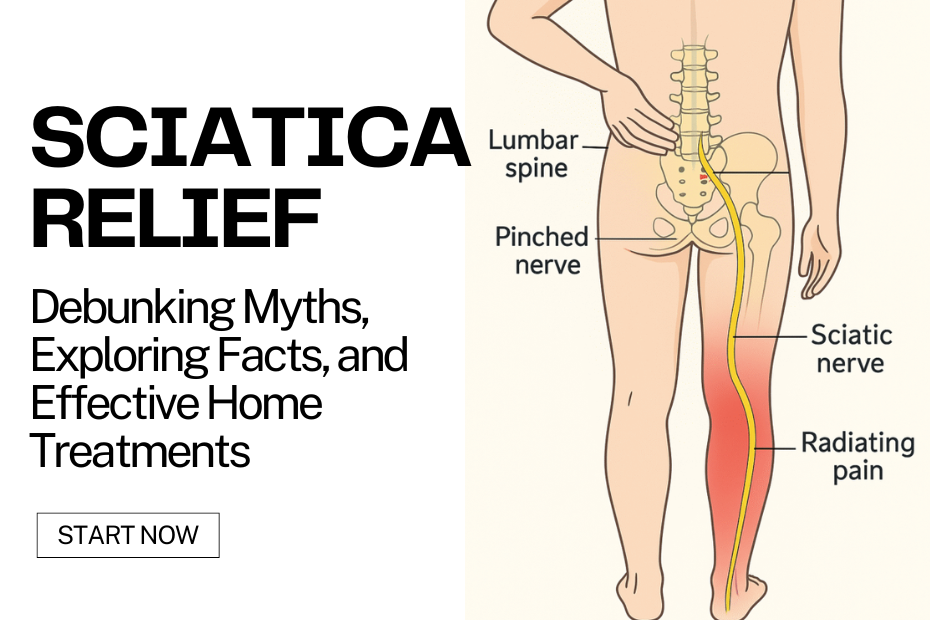
Sciatica Relief: Debunking Myths, Exploring Facts, and Effective Home Treatments
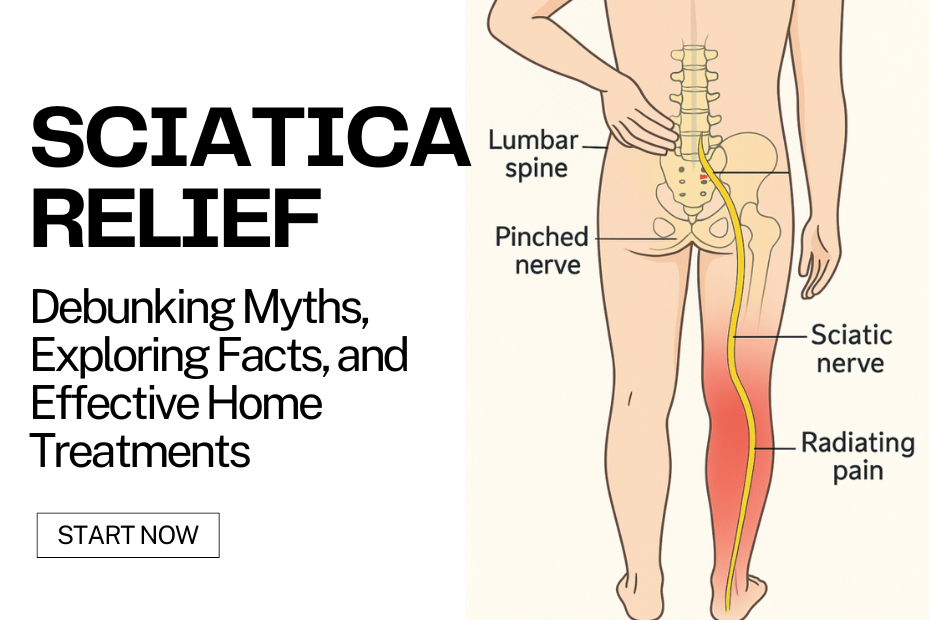
Sciatica Relief: Debunking Myths, Exploring Facts, and Effective Home Treatments Sciatica is one of the most common yet misunderstood causes of back and leg pain. If you’ve ever felt a sharp, radiating pain from your lower back down to your legs, chances are, your sciatic nerve is irritated or being compressed. But despite being so common problem, misconceptions about sciatica often lead people to take the wrong approach to treat it—sometimes making the pain even more worse. Many believe that bed rest is the best cure, that only older adults suffer from sciatica, or that heat therapy is always better than ice. But what does science actually say? The truth is, most sciatica cases improve with simple at-home remedies with the right combination of exercise, posture correction, sleep adjustments, and anti-inflammatory nutrition can make a huge difference. In this article, we’ll debunk common myths about sciatica, explore interesting facts about this nerve condition and highlight scientifically proven Sciatica Relief at home treatments that can help you to get long lasting relief. Whether you’re struggling to find instant solution or looking for long-term prevention strategies, these insights will help you take control of your recovery without relying on medication or surgery. Interesting Facts About Sciatica Here are some interesting facts and common myths about sciatica: 1. Sciatica Is a Symptom, Not a Condition Many people think sciatica is a disease, but it’s actually a symptom of underlying issues like herniated discs or spinal stenosis. 2. It’s One of the Longest Nerves in the Body The sciatic nerve runs from the lower back down to the feet, making it the longest and widest nerve in the body! 3. Most Cases Resolve Without Surgery Absolutely true, about 80–90% of sciatica cases improve within a few weeks using home remedies, physical therapy and lifestyle changes. Surgery is rarely needed. 4. Sciatica Can Be Caused by Tight Jeans & Wallets Wearing tight jeans or keeping a wallet in your back pocket while sitting for long periods can compress the sciatic nerve, leading to pain called as wallet neuritis. 5. It Can Mimic Other Conditions Some people mistake sciatica for hamstring injuries, hip problems, or even deep vein thrombosis (DVT). A proper diagnosis is very important before jumping to conclusions. Common Myths About Sciatica – Debunked with Scientific Explanation Here’s a in-depth analysis into the scientific explanations to debunk common myths about sciatica: 1. Bed Rest Is the Best Cure for Sciatica Truth: Resting too much can actually slow down your recovery! Scientific Explanation: Studies show that prolonged bed rest (more than 48 hours) can weaken your back muscles, stiffens joints, and increases inflammation, making sciatic pain worse. The European Guidelines for Managing Sciatica tells that staying active is more important and effective than bed rest. 2. Sciatica Only Affects Older People Truth: Sciatica is common in young adults, especially those with sedentary lifestyles. Scientific Explanation: While aging can cause spinal degeneration but many young people develop sciatica due to the following reasons: Poor posture from excessive sitting. Weak core muscles that fail to support the spine. Overuse injuries in sports or weightlifting. A 2020 study published in the Journal of Pain Research found that young adults (18-35 years) with desk jobs are at a higher risk due to prolonged sitting. 3. You Should Avoid Exercise If You Have Sciatica Truth: The right exercises actually reduce pain and prevent recurrence. Scientific Explanation: Research in the British Journal of Sports Medicine shows that gentle stretching and core strengthening can help to relieve sciatic pain by reducing nerve compression. Weak core muscles contribute to spinal instability and make sciatica worse. 4. Heat Therapy Is Always Better Than Ice Truth: Ice is better in the first 48 hours, while heat works later to relax muscles. Scientific Explanation: Ice therapy reduces inflammation by constricting blood vessels. Heat therapy relaxes tight muscles and improves blood flow but can worsen swelling if used too early. A 2019 study in the Journal of Clinical Medicine found that alternating heat and ice therapy was most effective for sciatic pain relief. 5. Sciatica Is Caused by a Trapped Nerve Truth: Sciatica is mostly caused by inflammation and compression it is not a physically “trapped” nerve. Scientific Explanation: A study in the Spine Journal (2021) found that disc bulges, muscle tightness, and inflammation are the real causes of sciatic pain. The sciatic nerve is rarely “pinched” but it is rather irritated by surrounding structures like herniated discs or tight piriformis muscle. 6. If You Have Sciatica, You’ll Always Have It Truth: Sciatica is not a lifelong condition—it can be completely resolved with the right approach. Scientific Explanation: Most cases resolve within 6-12 weeks with lifestyle changes, therapy and exercise. Surgery is only needed in 5-10% of cases where nerve damage is severe. A 2017 study in The Lancet showed that physical therapy and movement-based treatments are highly effective for long-term recovery. Sciatica is generally misunderstood, and many myths lead to ineffective treatments. The right combination of movement, diet and pain management can help you recover fully without surgery. For Sciatica Relief at home, a holistic approach works best. Here are the top areas you should focus on: 1. Lifestyle Modifications (Preventing Sciatica Triggers in Daily Life) Sciatica often gets worse due to poor posture, prolonged sitting, and stress. Making small lifestyle changes can help you to significantly reduce nerve irritation. Posture Awareness: Sitting for long hours in the wrong posture can put extra pressure on the lower spine that can compress the sciatic nerve. Using lumbar support and keeping your feet flat helps maintain proper spinal alignment. Work Ergonomics: If you work at a desk, an ergonomic chair or standing desk prevents slouching, which can strain your lower back. Avoid Heavy Lifting: Lifting weights or objects incorrectly can increase spinal pressure. Bend your knees, keep your back straight, and engage your core when lifting. Stay Active: Avoid prolonged sitting—walking for 5 minutes every hour keeps the spine and sciatic nerve from getting compressed. Stress Management: Stress increases