

L5-S1 Nerve Root Compression Symptoms: Warning Signs You Shouldn’t Ignore
Lower back pain that radiates into the leg is often more than a simple muscle strain. In many cases, it may be related to L5-S1 nerve root compression, a condition that occurs when a nerve exiting the lower spine becomes irritated or compressed.
The L5-S1 level is one of the most commonly affected areas of the spine because it bears significant body weight and absorbs considerable stress during everyday activities. When a disc bulge, herniated disc, or other spinal condition compresses a nerve root at this level, a variety of symptoms can develop, ranging from mild discomfort to significant weakness.
Understanding L5-S1 nerve root compression symptoms can help you recognize when medical evaluation is necessary and what treatment options may be available.
What Is L5-S1 Nerve Root Compression?
The spine is made up of vertebrae stacked on top of one another. Between these vertebrae are discs that act as cushions and shock absorbers.
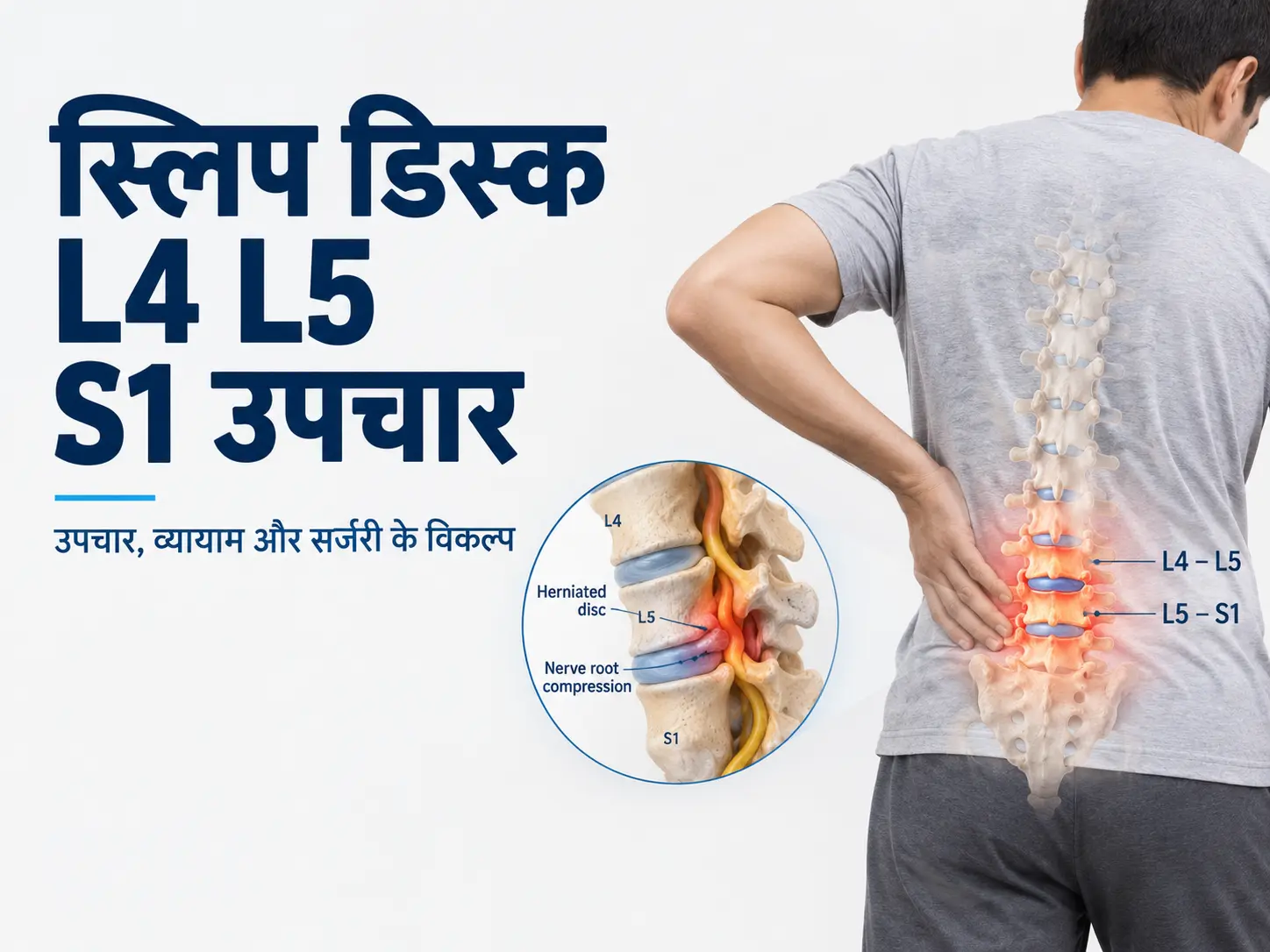
The L5-S1 segment refers to the area between:
- The fifth lumbar vertebra (L5)
- The first sacral vertebra (S1)
Nerves exit the spinal canal through openings called foramina. When these nerves become compressed due to a disc bulge, herniation, spinal stenosis, or other conditions, symptoms can occur along the path of the affected nerve.
This condition is commonly associated with sciatica and lower back disorders.
Common Causes of L5-S1 Nerve Root Compression
Several spinal conditions can lead to nerve compression at the L5-S1 level.
- Disc Bulge: A bulging disc can protrude beyond its normal boundary and irritate nearby nerves.
- Herniated Disc: A herniated disc occurs when the inner material of a disc pushes through a tear in the outer layer, potentially placing pressure on nerve roots.
- Degenerative Disc Disease: Age-related wear and tear can reduce disc height and contribute to nerve compression.
- Spinal Stenosis: Narrowing of the spinal canal or nerve passageways may compress spinal nerves.
- Spondylolisthesis: This condition occurs when one vertebra slips forward over another, sometimes causing nerve irritation.
Most Common L5-S1 Nerve Root Compression Symptoms
1. Lower Back Pain
One of the earliest L5-S1 nerve root compression symptoms is lower back pain.
The pain may:
Be localized to the lower back
Worsen after prolonged sitting
Increase during bending or lifting
Become more noticeable after physical activity
While lower back pain alone does not always indicate nerve compression, it is frequently present alongside other symptoms.
2. Sciatica
Sciatica is among the most recognizable L5-S1 nerve root compression symptoms.
The pain typically travels from the lower back into:
The buttock
The back of the thigh
The calf
The foot
Patients often describe the pain as:
Sharp
Burning
Electric shock-like
Shooting down the leg
Sciatica may affect one leg more than the other.
3. Pain in the Buttock and Hip Area
Compression at the L5-S1 level can cause discomfort around the buttock region.
Many people initially mistake this pain for:
Muscle strain
Hip problems
Piriformis syndrome
However, when combined with radiating leg pain, spinal nerve compression becomes more likely.
4. Numbness in the Leg or Foot
Numbness is another common L5-S1 nerve root compression symptom.
Affected areas may include:
Back of the leg
Outer side of the foot
Sole of the foot
Heel
Some patients notice reduced sensation when touching these areas.
5. Tingling or Pins-and-Needles Sensations
Many individuals experience tingling sensations that feel like:
Pins and needles
Crawling sensations
Electrical buzzing
These sensations often occur in the foot or lower leg and may worsen after prolonged sitting.
6. Leg Weakness
One of the more concerning L5-S1 nerve root compression symptoms is weakness.
Depending on the affected nerve, weakness may lead to:
Difficulty climbing stairs
Trouble walking long distances
Reduced balance
Fatigue in the affected leg
Weakness should never be ignored because it can indicate more significant nerve involvement.
7. Difficulty Standing on Tiptoes
The S1 nerve root plays an important role in calf muscle function.
Compression of this nerve may make it difficult to:
Stand on tiptoes
Push off while walking
Perform calf raises
This symptom often helps spine specialists identify the affected nerve level during examination.
8. Changes in Walking Pattern
Some people develop an altered walking pattern due to pain, weakness, or numbness.
Signs may include:
Limping
Reduced walking speed
Favoring one leg
Difficulty maintaining balance
Changes in gait can affect daily activities and quality of life.
Symptoms That May Indicate Severe Nerve Compression
Certain symptoms require urgent medical attention.
Seek immediate evaluation if you experience:
- Progressive Leg Weakness: Weakness that continues to worsen should be assessed promptly.
- Loss of Bladder Control: Difficulty controlling urination may indicate serious nerve involvement.
- Loss of Bowel Control: This is considered a medical emergency.
- Numbness Around the Groin Area: Known as saddle anesthesia, this symptom requires urgent assessment.
Although uncommon, these symptoms may indicate severe nerve compression requiring immediate treatment.
How Is L5-S1 Nerve Root Compression Diagnosed?
A spine specialist typically uses a combination of clinical evaluation and imaging studies.
Medical History
Your doctor will ask about:
Pain location
Symptom duration
Numbness
Weakness
Walking difficulties
Physical Examination
The examination may include:
Reflex testing
Muscle strength testing
Sensory assessment
Straight leg raise test
MRI Scan
MRI is the most commonly used imaging study for evaluating nerve compression.
It can reveal:
Disc bulges
Herniated discs
Spinal stenosis
Nerve root involvement
Can L5-S1 Nerve Root Compression Heal Without Surgery?
Yes. Many cases improve through conservative treatment.
Non-surgical treatment may include:
- Physiotherapy
- Pain management
- Activity modification
- Exercise programs
- Lifestyle changes
The goal is to reduce inflammation and relieve pressure on the affected nerve.
Treatment Options for L5-S1 Nerve Root Compression
A) Physiotherapy
Physiotherapy can help:
Improve mobility
Strengthen supporting muscles
Reduce pain
Promote recovery
B) Medications
Doctors may recommend:
Anti-inflammatory medications
Pain relievers
Muscle relaxants
C) Epidural Steroid Injections
These injections may help reduce nerve inflammation and improve symptoms in selected cases.
D) Surgery
Surgery is generally considered when:
Symptoms persist despite treatment
Significant weakness develops
Severe nerve compression is present
Daily function becomes significantly affected
A spine specialist can determine whether surgical intervention is necessary.
Tips to Support Recovery
Recovery can often be improved through healthy habits.
- Maintain Proper Posture: Good posture reduces strain on the lower back.
- Stay Physically Active: Gentle activity is often better than prolonged bed rest.
- Avoid Heavy Lifting: Excessive strain may aggravate symptoms.
- Strengthen Core Muscles: A strong core provides better spinal support.
- Maintain a Healthy Weight: Reducing excess weight decreases pressure on spinal structures.
When Should You Consult a Spine Specialist?
You should seek medical evaluation if:
- Pain lasts more than a few weeks
- Symptoms are worsening
- Numbness persists
- Weakness develops
- Walking becomes difficult
- Daily activities are affected
Early diagnosis can help prevent complications and guide appropriate treatment.
Concerned About Persistent Leg Pain or Numbness?
If you’re experiencing symptoms suggestive of L5-S1 nerve root compression, consult an experienced spine specialist for a thorough assessment and personalized treatment recommendations. Early intervention can help improve outcomes and protect long-term spine health.
Consult Experienced Spine Specialists in Mumbai, India
Frequently Asked Questions
What are the symptoms of L5-S1 nerve root compression?
Common symptoms include lower back pain, sciatica, leg pain, numbness, tingling, foot symptoms, and muscle weakness.
Can L5-S1 nerve compression cause leg weakness?
Yes. Compression of the affected nerve may weaken muscles involved in walking, climbing stairs, or standing on tiptoes.
Does L5-S1 nerve compression cause foot numbness?
Yes. Numbness may occur in the heel, sole, outer foot, or lower leg depending on the affected nerve root.
Can L5-S1 nerve root compression heal naturally?
Many cases improve with conservative treatment, including physiotherapy, exercise, and activity modification.
Is surgery always required?
No. Most patients initially receive non-surgical treatment, and many improve without an operation.
L5-S1 nerve root compression symptoms can range from mild lower back pain to significant leg pain, numbness, tingling, and weakness. Because the L5-S1 level is one of the most commonly affected areas of the spine, recognizing these symptoms early is important.
While many individuals improve through non-surgical treatment, persistent symptoms, worsening weakness, or signs of severe nerve compression should never be ignored. A timely evaluation by a spine specialist can help identify the cause of symptoms and determine the most appropriate treatment plan.





11 Responses