4 Types of Back Pain: Causes, Symptoms and When to Seek Help
Back pain does not feel the same in everyone. The location, character, duration and pattern of pain can provide clues about where it is coming from. Four useful patterns are mechanical or muscular back pain, radicular pain, referred pain, and pain associated with specific spinal or systemic conditions.
Most back pain is not caused by a serious disease and can improve with appropriate treatment. However, back pain accompanied by progressive weakness, bladder or bowel problems, fever, significant trauma or other warning signs needs medical assessment.
What Are the 4 Types of Back Pain?
There is no single medical classification that divides all back pain into exactly four types. However, for understanding symptoms, back pain can be broadly grouped into four clinically useful patterns:
- Mechanical or muscular back pain
- Radicular pain, including sciatica
- Referred pain
- Back pain caused by a specific spinal or systemic condition
These categories can overlap. A person can have more than one type of pain at the same time.
1. Mechanical or Muscular Back Pain
Mechanical back pain is one of the most common patterns. It generally comes from structures involved in movement, such as muscles, joints, ligaments or other tissues around the spine.
The pain often changes with movement or activity.
Common features
Mechanical back pain can involve:
Aching or stiffness in the lower back
Muscle tightness
Pain after prolonged sitting or standing
Pain after lifting or repetitive activity
Discomfort that changes with movement or position
Reduced flexibility
A muscle strain can occur after an unfamiliar activity, sudden movement or excessive physical effort.
However, not every case of mechanical back pain has a clearly identifiable single structure responsible for the symptoms.
What can cause mechanical back pain?
Possible contributors include:
Muscle strain
Repetitive physical activity
Prolonged sitting
Poor movement patterns
Reduced physical conditioning
Spinal joint irritation
Age-related changes in the spine
Treatment usually focuses on maintaining appropriate activity, gradually restoring movement and addressing factors that contribute to the pain.
2. Radicular Pain and Sciatica
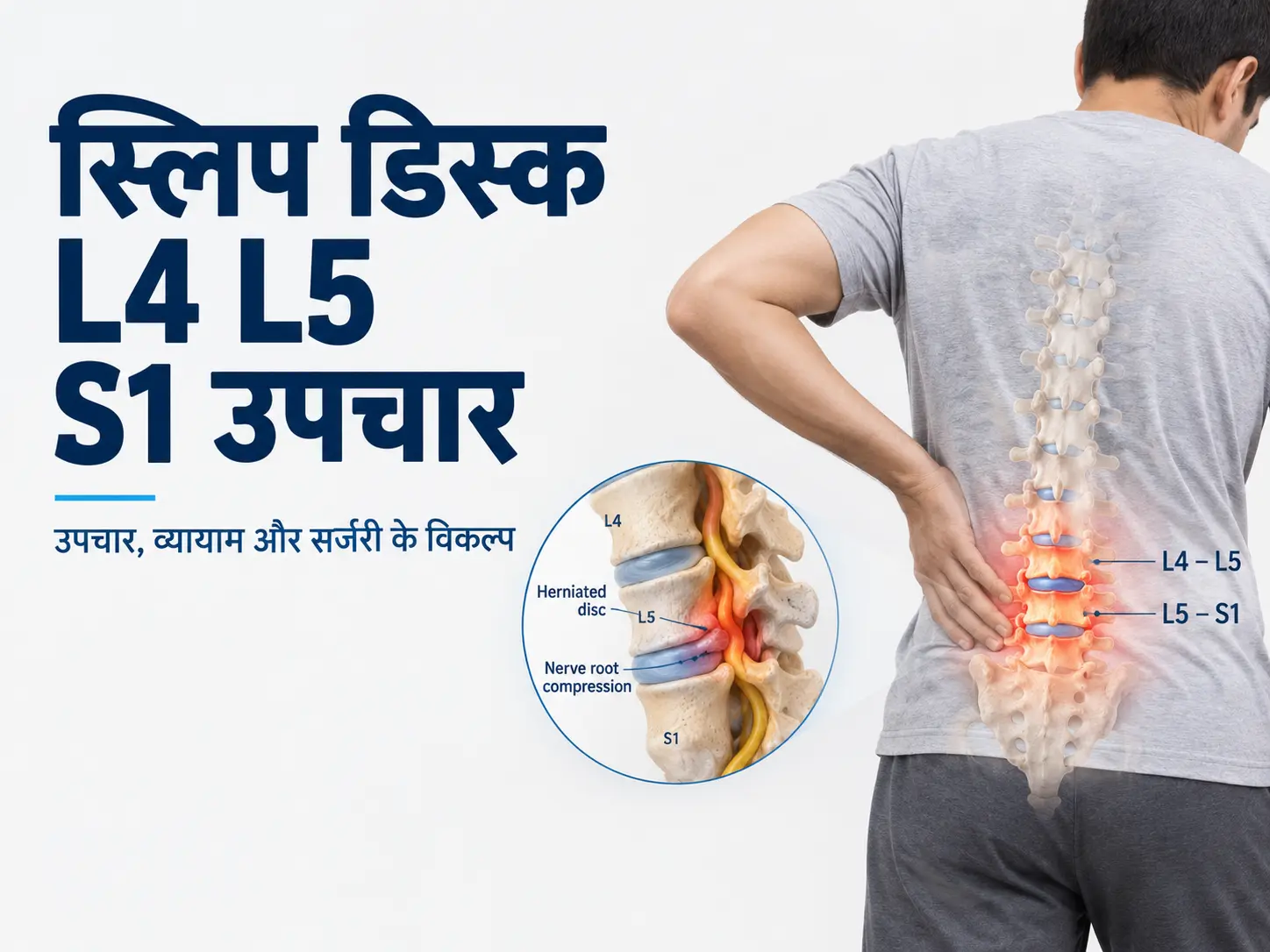
Radicular pain occurs when a spinal nerve root becomes irritated or compressed.
When this happens in the lower back, symptoms can travel from the back into the buttock and leg. This is commonly described as sciatica.
The pain may feel different from ordinary muscular back pain.
Common symptoms
Radicular pain can cause:
Sharp or shooting pain
Burning pain
Pain travelling down the leg
Tingling
Numbness
Muscle weakness
The distribution of symptoms depends on which nerve root is affected.
For example, compression of different lumbar nerve roots can produce different patterns of pain, altered sensation and weakness.
A herniated disc is one possible cause, but nerve-root symptoms can also occur with other conditions that narrow or irritate the space around a spinal nerve.
Is sciatica the same as back pain?
No.
Sciatica specifically describes symptoms related to irritation or compression of a lumbosacral nerve root. A person can have lower back pain without having sciatica.
3. Referred Back Pain
Referred pain is pain felt in the back even though the source is not necessarily the same area where the pain is experienced.
Pain can sometimes be perceived away from the structure responsible for generating it.
For example, certain problems involving structures in or around the abdomen or pelvis can produce pain that is felt in the back.
What does referred pain feel like?
Referred pain can be:
Dull
Aching
Difficult to pinpoint
Less clearly related to spinal movement
The symptoms depend on the underlying cause.
This is one reason that persistent or unexplained back pain should not automatically be assumed to be a muscle problem.
4. Back Pain From a Specific Spinal or Systemic Condition
Some back pain occurs because of an identifiable spinal condition or another medical disorder.
Examples of spinal conditions include:
Disc herniation
Spinal stenosis
Spondylolisthesis
Vertebral fracture
Spinal infection
Spinal tumour
Inflammatory spinal conditions
Other medical conditions can also produce back pain.
The symptoms can vary considerably depending on the underlying problem.
When is this type of back pain concerning?
Certain features increase the need for medical evaluation, including:
Persistent unexplained pain
Progressive neurological symptoms
Significant trauma
Fever or feeling seriously unwell
Unexplained weight loss
A history of cancer
New bladder or bowel dysfunction
Numbness around the groin or inner thighs
These symptoms do not automatically mean that a serious condition is present, but they should not simply be treated as routine muscular back pain.
How Can You Tell What Type of Back Pain You Have?
The location and behaviour of the pain can provide clues, but symptoms alone cannot always identify the exact cause.
A doctor may consider:
Where is the pain?
Is it:
In the lower back?
In the middle back?
On one side?
Around the buttock?
Travelling into the leg?
What does the pain feel like?
Does it feel:
Aching?
Tight?
Sharp?
Burning?
Shooting?
Like an electric shock?
Does the pain travel?
Pain that travels from the back into the buttock or leg can suggest nerve involvement, particularly when accompanied by altered sensation or weakness.
What makes it better or worse?
The relationship between symptoms and:
Sitting
Standing
Walking
Bending
Lifting
Rest
Certain positions
can provide useful information.
Are there neurological symptoms?
Numbness, tingling or weakness can suggest involvement of a spinal nerve or, in some circumstances, the spinal cord.
4 Types of Lower Back Pain Patterns
If you are specifically experiencing lower back pain, the four patterns can be simplified as follows:
Pain pattern | Typical features |
Mechanical/muscular | Localised aching, stiffness and pain associated with movement or activity |
Radicular | Shooting or burning pain travelling into the leg, often with tingling or numbness |
Referred | Pain perceived in the back but originating from another structure |
Specific spinal/systemic condition | Symptoms depend on the underlying disorder and may include neurological or systemic features |
These patterns are useful for understanding symptoms but are not a substitute for a clinical diagnosis.
How Are the Different Types of Back Pain Treated?
Treatment depends on the underlying cause.
Mechanical or muscular back pain
Treatment can include:
Staying appropriately active
Gradual return to normal activities
Targeted exercises
Physiotherapy when appropriate
Short-term pain management
Addressing contributing movement or activity factors
Radicular pain
Treatment depends on the severity and cause of nerve irritation.
It can include:
Activity modification
Pain management
Exercise-based rehabilitation
Physiotherapy in appropriate cases
Further assessment when neurological symptoms are significant or worsening
Surgery in selected cases
Referred pain
Treatment focuses on identifying and managing the underlying source rather than treating the back pain alone.
Specific spinal or systemic conditions
Treatment depends entirely on the diagnosis.
Some conditions can be managed conservatively, while others require specialist treatment, medication, procedures or surgery.
When Should You See a Doctor About Back Pain?
Arrange a medical assessment if your back pain:
- Persists or repeatedly returns
- Interferes significantly with daily activities
- Travels into a leg
- Is accompanied by persistent numbness or tingling
- Causes weakness
- Develops after significant trauma
- Is associated with fever or feeling unwell
- Occurs with unexplained weight loss
- Occurs in someone with a history of cancer
A clinical assessment can help determine whether the pain is likely to be mechanical or whether further investigation is needed.
Conclusion
The 4 useful patterns of back pain are mechanical or muscular pain, radicular pain, referred pain, and pain associated with a specific spinal or systemic condition. Recognising the pattern can help explain why back pain feels different from one person to another.
However, the location or character of pain alone cannot establish the diagnosis. Persistent pain, neurological symptoms or important warning signs require proper medical assessment.
The goal of treatment should be to identify the likely cause of the pain and choose an appropriate treatment approach rather than assuming that every episode of back pain is simply a muscle strain.
Frequently Asked Questions About the 4 Types of Back Pain
What are the four main types of back pain?
For practical understanding, back pain can be grouped into mechanical or muscular pain, radicular pain, referred pain, and pain caused by a specific spinal or systemic condition. These categories can overlap.
What type of back pain is most common?
Mechanical or non-specific back pain is a common presentation. It can involve muscles, joints and other structures around the spine and is often influenced by movement and activity.
What type of back pain travels down the leg?
Pain travelling from the lower back or buttock into the leg can be radicular pain, particularly when accompanied by tingling, numbness or weakness. Sciatica is a common term for this pattern.
What type of back pain is caused by a pinched nerve?
A compressed or irritated spinal nerve root can cause radicular pain. Symptoms can include shooting or burning pain, numbness, tingling and weakness along the affected nerve distribution.
Is back pain always caused by a problem with the spine?
No. Back pain can arise from muscles and other soft tissues, while some pain felt in the back can be referred from structures outside the spine.
When is back pain a medical emergency?
Back pain accompanied by new bladder or bowel dysfunction, saddle numbness or rapidly progressive weakness requires urgent medical assessment. Significant trauma with severe symptoms can also require emergency evaluation.
Can back pain go away on its own?
Many episodes of back pain improve with time and appropriate activity. However, persistent, recurrent or worsening symptoms should be assessed, particularly when neurological or systemic symptoms are present.
Should every type of back pain be treated with exercise?
No. Exercise is useful for many forms of back pain, but the appropriate programme depends on the cause and the person’s symptoms. New neurological symptoms or significant injury should be assessed before beginning an intensive exercise programme.