Tethered Cord Syndrome: Symptoms, Causes, Diagnosis and Treatment
Tethered cord syndrome is a neurological condition in which the spinal cord is held in place at its lower end, so it cannot move freely inside the spinal canal. The resulting stretch on the cord can cause back and leg pain, weakness, numbness and problems with bladder or bowel control. It can affect children and, less often, adults. This article explains what causes it, how symptoms differ between children and adults, how it is diagnosed, how it is treated, and which symptoms need prompt medical attention.
What is tethered cord syndrome?
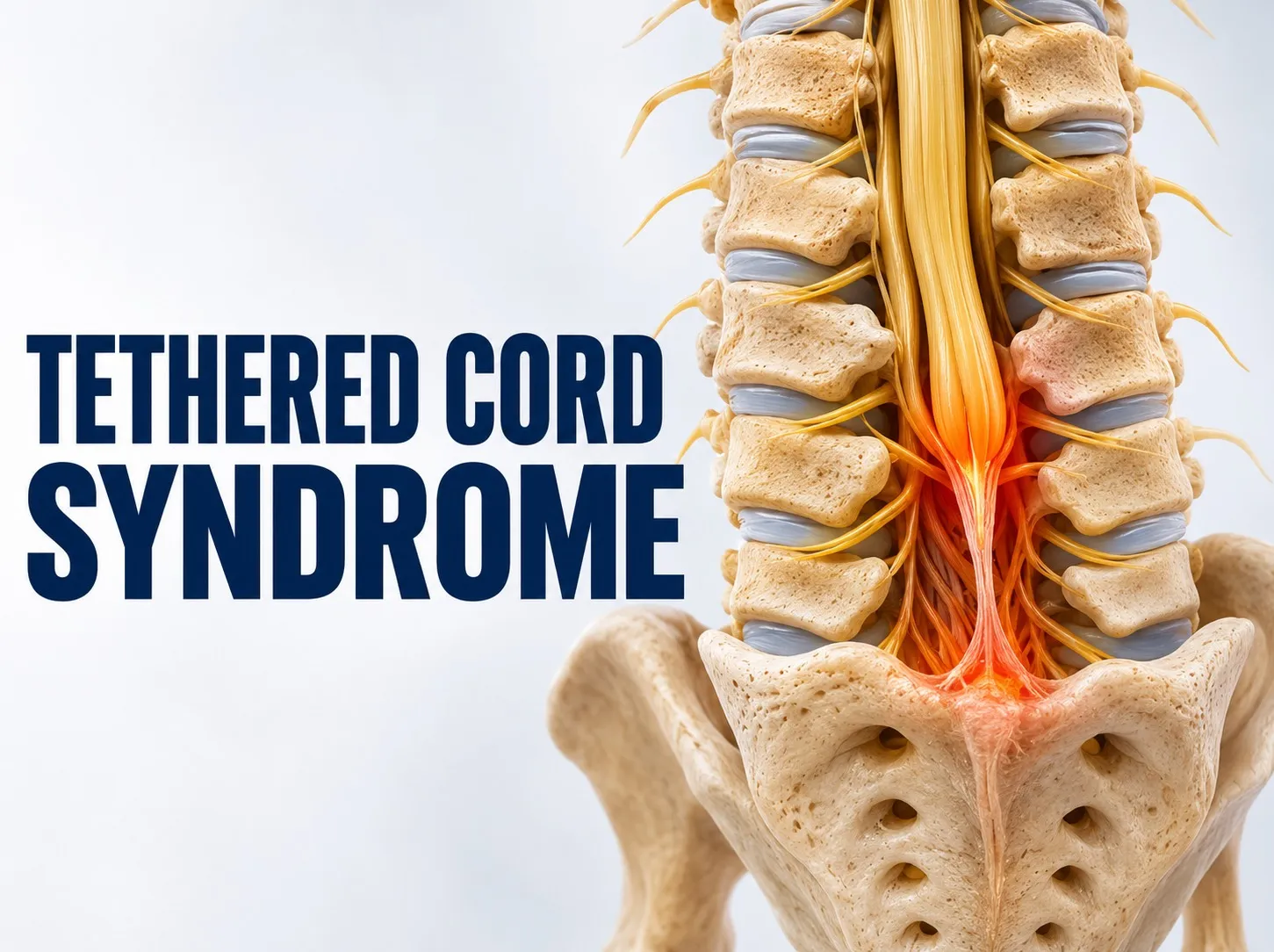
The spinal cord normally ends around the first or second bone of the lower spine and is attached to the tailbone by a thin strand called the filum terminale. Normally, this strand is slack enough for the cord to move as you grow and bend. In tethered cord syndrome, something anchors the cord, so it is stretched, particularly when the spine bends or when a child grows. Over time, this stretch can affect the cord’s blood supply and function.
The condition is also described with terms such as tethered spinal cord and tight filum terminale syndrome.
What causes a tethered cord?
A tethered cord can be present from birth or develop later. Causes and associated conditions include:
- A thickened or tight filum terminale (sometimes called filum disease)
- Spina bifida and related birth differences, including myelomeningocele and lipomyelomeningocele
- A fatty growth (lipoma) attached to the cord
- A dermal sinus, a small channel from the skin to the spinal canal
- Split cord malformation (diastematomyelia)
- Scar tissue after earlier spinal surgery, trauma or infection
- Tumours in the spinal canal
Symptoms in children
Symptoms depend on age and cause and may worsen during growth spurts. They can include:
- Skin changes over the lower back, such as a tuft of hair, a dimple, a birthmark or a fatty lump
- Difficulty walking, leg weakness or an unusual gait
- Foot deformities or differences in leg size
- A curved spine (scoliosis). See scoliosis.
- Bladder problems, such as continuous dribbling, repeated infections or delayed toilet training
- Back or leg pain, sometimes noticed by older children
Symptoms in adults
In adults, symptoms may begin after years without problems, sometimes after an injury, a disc problem or activities that stretch the spine. They can include:
- Pain in the lower back that may spread to the legs, groin or pelvic area
- Leg weakness, numbness or tingling
- Changes in bladder function, such as urgency, frequency or leakage
- Bowel problems
- Foot or arch pain
Skin changes over the lower back are present in a smaller share of adults than children, so their absence does not rule out the condition.
How is tethered cord syndrome diagnosed?
Doctors usually combine several steps:
- History and examination: a neurological assessment of strength, sensation, reflexes and walking, and a look at the skin over the spine.
- MRI: the main scan used to look at the spinal cord, the filum and any associated growth or malformation. In some cases the cord sits in a normal position even though the symptoms suggest tethering, so a normal MRI does not always settle the question.
- Bladder tests: urodynamic testing may be used to look at how the bladder is working.
- Ultrasound: may be used in young babies.
Because back pain is very common and has many other causes, diagnosis can take time and often involves a neurosurgeon or a spine specialist.
How is it treated?
Treatment depends on the cause, the age of the person and how severe and progressive the symptoms are.
- Monitoring: some people with mild or no symptoms are watched with regular check-ups.
- Surgery (untethering): an operation to release the cord, for example by dividing a tight filum or removing a growth attached to it. It is often recommended when symptoms are present or getting worse, because nerve damage that has already happened may not fully recover.
- Supportive care: physiotherapy, pain management and bladder or bowel care, depending on the symptoms.
The cord can sometimes become tethered again after surgery because of scar tissue, so follow-up is important.
When to see a doctor
Seek medical advice promptly if you or your child has any of the following:
- New difficulty controlling urine or stool, or numbness around the groin or inner thighs. Go to a hospital straight away.
- Leg weakness or numbness that is new or getting worse
- Back or leg pain that keeps worsening, especially with bladder changes
- In a child: a tuft of hair, a dimple or a lump over the lower spine, delayed toilet training, foot deformity, a changing walk or a curving spine
- Pain or symptoms that began after a spinal surgery or injury
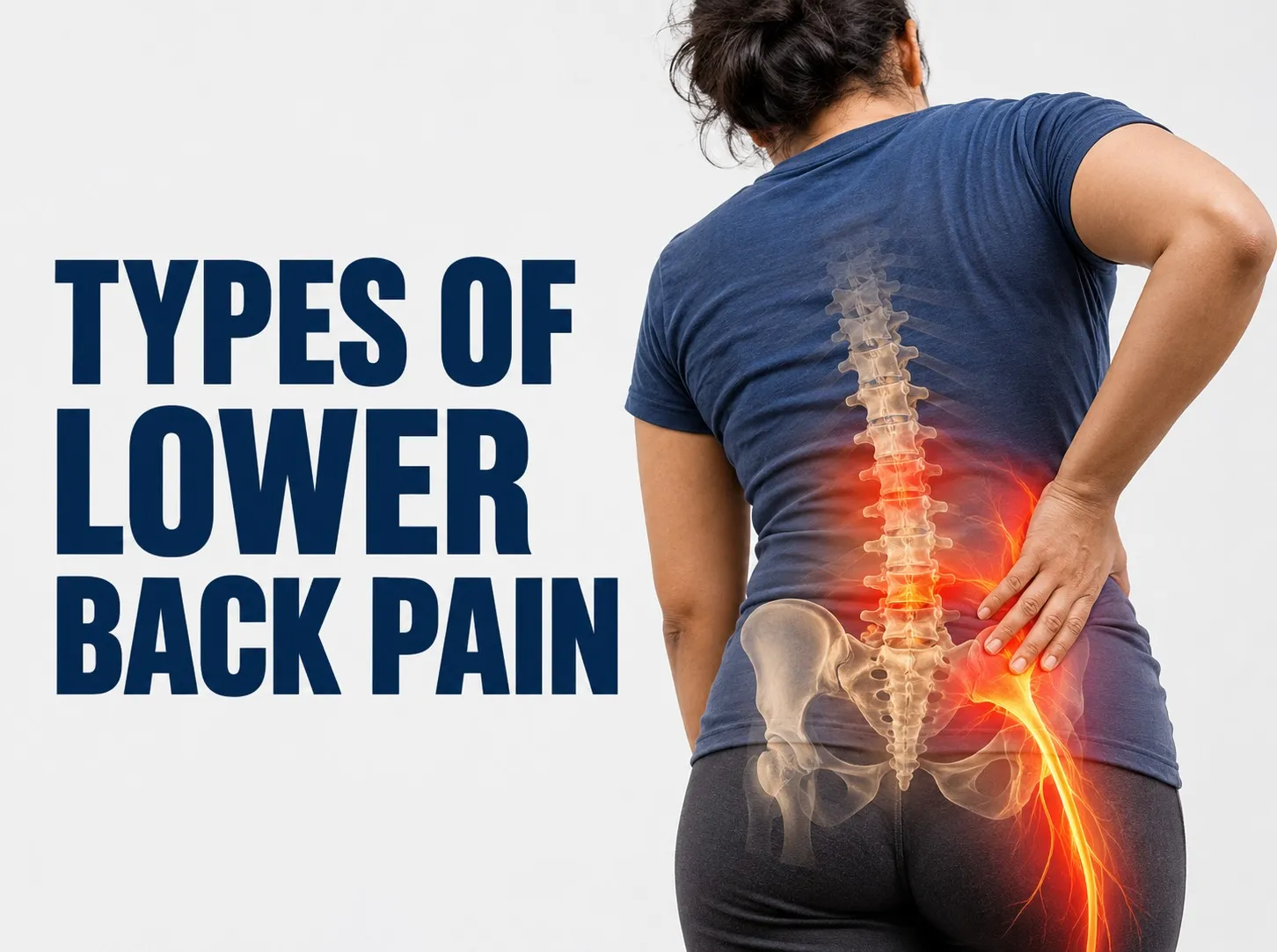
For general back pain, see types of lower back pain and which doctor to consult for back pain.
Frequently asked questions
Can tethered cord syndrome cause headaches? Headache is not a typical sign on its own. Some people with tethered cord also have other conditions, such as a Chiari malformation, that can cause headaches. If headaches come with other symptoms, discuss them with a doctor.
Can spina bifida be diagnosed later in life? Yes. A mild form called spina bifida occulta is often found by chance on an X-ray or MRI in adulthood and may cause no problems. Some people with it, however, have a tethered cord, so new symptoms are worth having checked.
What is filum disease? It is a term sometimes used for a thickened or tight filum terminale, the thread-like strand at the end of the spinal cord, which can hold the cord under tension.
Can tethered cord syndrome go away on its own? It is generally described as a condition that can progress, which is why doctors monitor symptoms closely. Treatment decisions are individual.
Can tethered cord syndrome be cured? Surgery aims to release the tension and stop symptoms from getting worse, and it may improve some symptoms. Nerve changes that have already happened may not fully reverse, and re-tethering can occur.
Speak to a specialist
If you or your child has symptoms that concern you, consult a neurosurgeon or a spine specialist. The Spine Health Quiz is for general information and does not replace an examination.
Disclaimer: This article is for general information. It is not medical advice, a diagnosis or a substitute for treatment. Please speak to a qualified doctor about your symptoms.
-
 Tethered Cord Syndrome
-
 Why Is My Lower Back So Stiff?
-
 Lower Back Pain When Standing?
-
Types of Lower Back Pain: Causes, Symptoms and When to See a Doctor
-
Is Heat Good for Back Pain? When It Helps and How to Use It Safely
-
Loss of Lumbar Lordosis: Causes, Symptoms and Treatment
-
कमर दर्द: कारण, घरेलू उपाय और कब डॉक्टर को दिखाएं