Loss of Lumbar Lordosis: Causes, Symptoms and Treatment
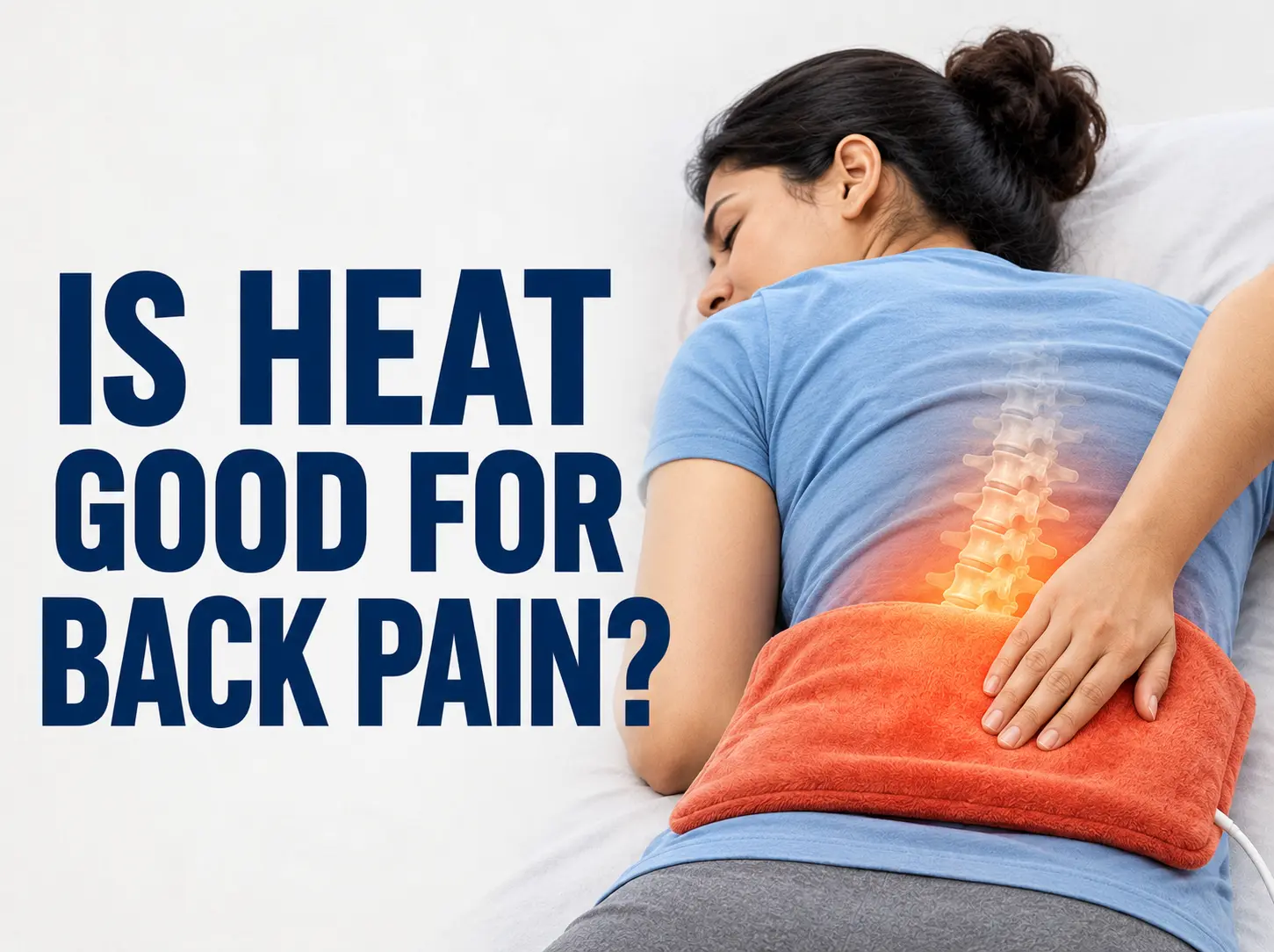
For many people, yes. Applying gentle heat can ease stiffness and muscle tightness in the lower back and may give short-term pain relief. It does not treat the underlying cause, and it is not suitable for everyone. This article explains when heat is commonly used, how it compares with ice, how to use it safely, and which symptoms need a doctor instead of a heating pad.
How does heat help back pain?
Heat warms the skin and the tissues just under it. This can help muscles relax and may make movement feel easier. Warmth may also change how pain signals are felt, which is one reason it feels comforting.
Research on this is limited but encouraging. A Cochrane review of trials in people with low back pain found moderate evidence that heat wraps reduce pain and disability in back pain lasting less than three months. The effect was small and short-lived, and adding exercise appeared to help further. The same review found there was not enough evidence for heat in pain lasting longer than three months.
What kind of back pain may get better with heat?
Heat is commonly used for:
- Muscle tightness or stiffness after sitting, sleeping in an awkward position or an unusual activity
- Mild muscle strain without visible swelling
- Back stiffness that is worse in the morning or after rest
- Ongoing aching that is not linked to a new injury
Heat is a comfort measure. If the pain is severe, keeps returning or comes with other symptoms, it is worth finding out the cause.
Heat or ice for back pain: which is better?
There is no single answer for everyone. The research on cold for back pain is limited, and studies comparing heat and cold have given mixed results. The usual approach is:
- Ice or a cold pack: often suggested in the first day or two after a fresh injury, especially if the area is swollen or bruised.
- Heat: often preferred for muscle stiffness and tightness, and after the first couple of days following a strain.
- Either one: many people simply choose whichever feels better. Some alternate between the two.
If one makes the pain worse, stop using it.
How to use heat on your back safely
- Choose a gentle source. A heating pad on a low setting, a hot water bottle wrapped in a towel, a warm towel, a warm bath or shower, or an adhesive heat wrap are all options.
- Keep it warm, not hot. It should feel comfortable, never painful.
- Use a layer of cloth between the heat source and your skin.
- Limit the time. For heating pads and hot water bottles, 15 to 20 minutes at a time is commonly advised. Follow the instructions on adhesive heat wraps, which are designed for longer wear at a low temperature.
- Check your skin during and after use. Stop if you see blistering, or unusual redness or pain.
- Do not fall asleep on a heating pad.
- Move afterwards. Gentle walking or stretching after heat may help you get more benefit than resting alone. See back pain exercises at home.
Who should be careful with heat?
Speak to a doctor before using heat, or avoid it, in these situations:
- Reduced sensation in the skin, for example from diabetes or nerve damage, because burns may go unnoticed
- Poor circulation or blood vessel disease
- Open wounds, rashes or other skin conditions in the area
- Fresh swelling, bruising or a recent injury
- Fever or signs of infection
- Pregnancy, particularly hot baths, hot tubs and saunas
- Older adults and young children, whose skin can be more sensitive
- Using heat together with pain-relief creams or patches on the same area
What is the worst thing to do for back pain?
Some habits can slow recovery:
- Staying in bed for long periods. Gentle movement is usually advised instead.
- Ignoring warning signs such as leg weakness or numbness
- Lifting heavy objects or twisting suddenly during a flare-up
- Staying in one position for hours
- Relying on pain medicine for a long time without medical advice
How to make back pain go away fast
There is no instant fix, and the right approach depends on the cause. Most short episodes of muscle-related back pain improve over days to weeks. In the meantime, you can:
- Stay gently active and avoid long periods of rest
- Use heat if it feels helpful
- Change position often and avoid sitting for long stretches
- Take pain medicine only as a doctor or pharmacist advises
- Return to normal activity gradually
When heat is not enough: see a doctor
Heat will not help if the pain has another cause. Seek medical advice if your back pain comes with any of the following:
- Difficulty controlling urine or stool, or numbness around the groin or inner thighs. This can be an emergency, so go to a hospital straight away.
- Weakness, numbness or tingling in one or both legs, especially if it is getting worse
- Pain that starts after a fall, accident or injury
- Fever with back pain, or pain with burning during urination
- Unexplained weight loss, or a history of cancer
- Pain that is worse at night or does not ease with rest
- No improvement after a few weeks of self-care
Persistent pain may be linked to conditions such as a slipped disc or sciatica. If you are not sure whom to see, read which doctor to consult for back pain.
Frequently asked questions
Is heat good for a pinched nerve or sciatica? Some people find warmth soothing for the muscle tightness that comes with nerve pain, but it does not treat the nerve irritation itself. If you have pain travelling down the leg, numbness or weakness, get it checked.
Is a hot bath good for back pain? A warm bath may help you relax and ease stiffness. Keep the water comfortably warm rather than very hot, and take care when getting out if you feel stiff or dizzy.
Can I use heat for chronic back pain? Many people use heat for comfort with long-standing pain. The evidence for it in pain lasting more than three months is limited, so it works best as one part of a plan that includes movement and medical review.
How often can I use heat? Short sessions several times a day are commonly used. Adjust to how your skin and your pain respond, and follow product instructions.
Check your spine health
To understand which daily habits may affect your back, try the Spine Health Quiz. It is for information only and does not replace a medical examination. If you are in Mumbai and would like a consultation, you can use the appointment page.
Disclaimer: This article is for general information. It is not medical advice, a diagnosis or a substitute for treatment. Please speak to a qualified doctor about your symptoms.
-
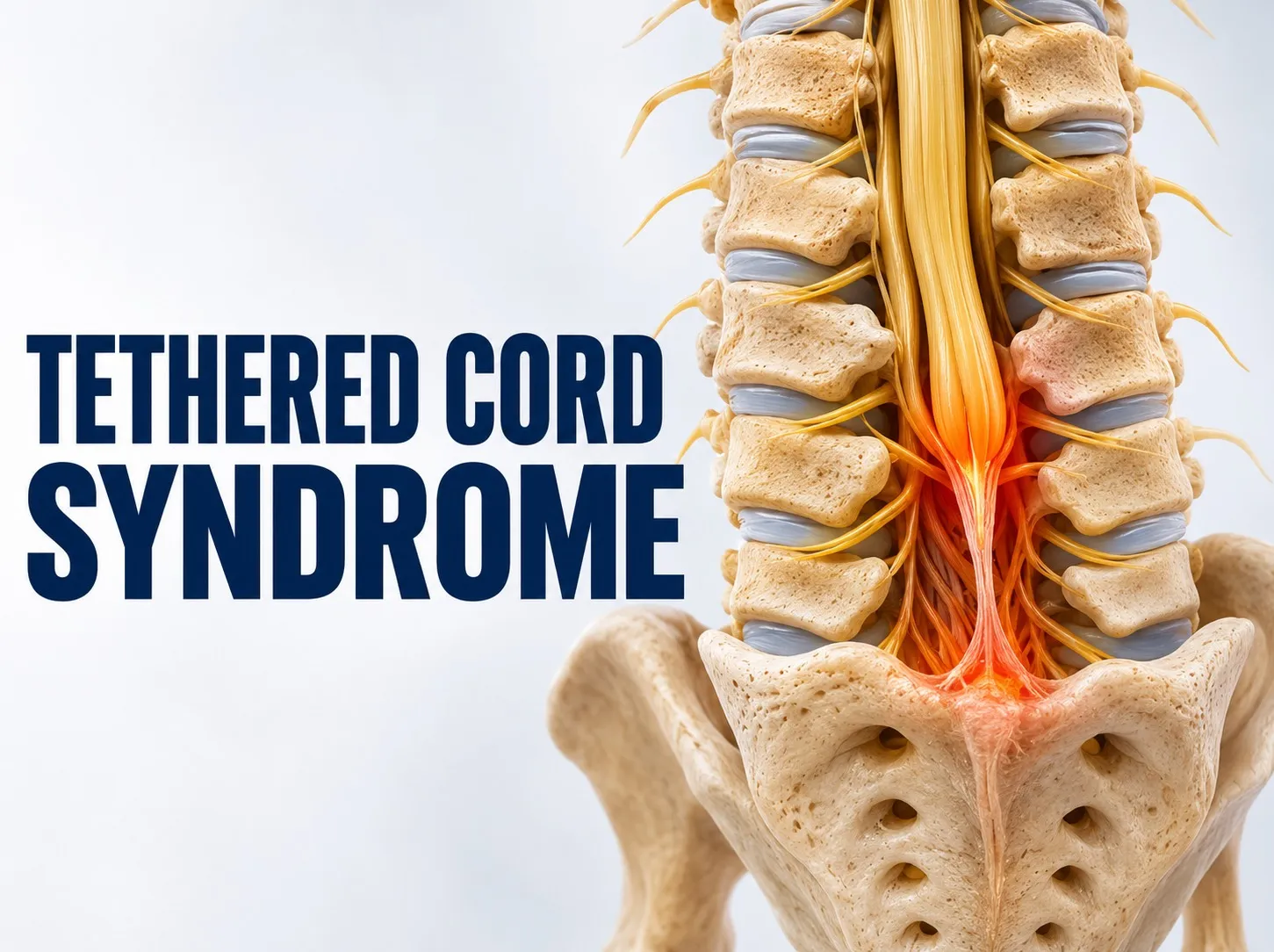
 Tethered Cord Syndrome
-
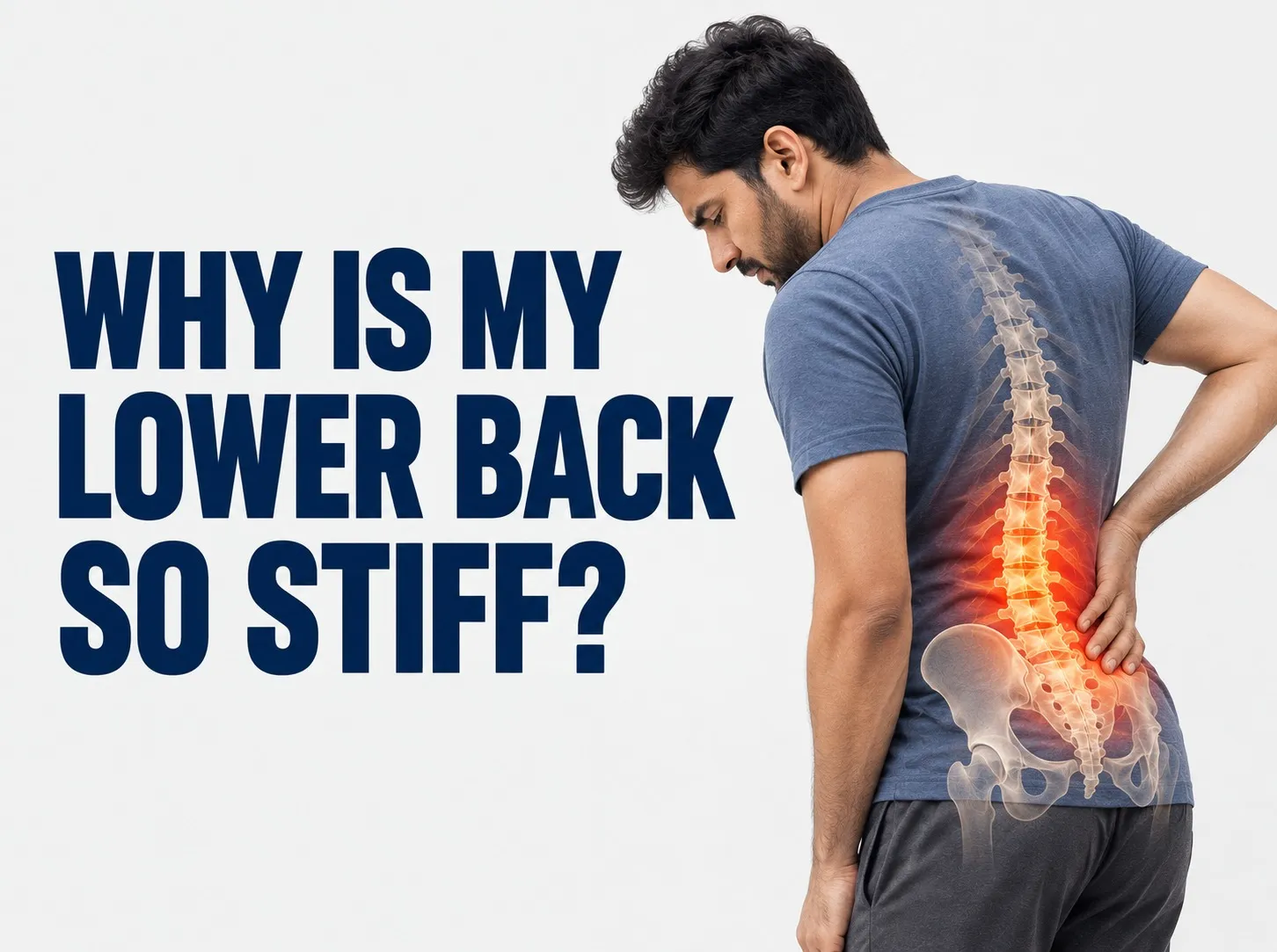
 Why Is My Lower Back So Stiff?
-
 Lower Back Pain When Standing?
-
Types of Lower Back Pain: Causes, Symptoms and When to See a Doctor
-
Is Heat Good for Back Pain? When It Helps and How to Use It Safely
-
Loss of Lumbar Lordosis: Causes, Symptoms and Treatment
-
कमर दर्द: कारण, घरेलू उपाय और कब डॉक्टर को दिखाएं


2 Responses