

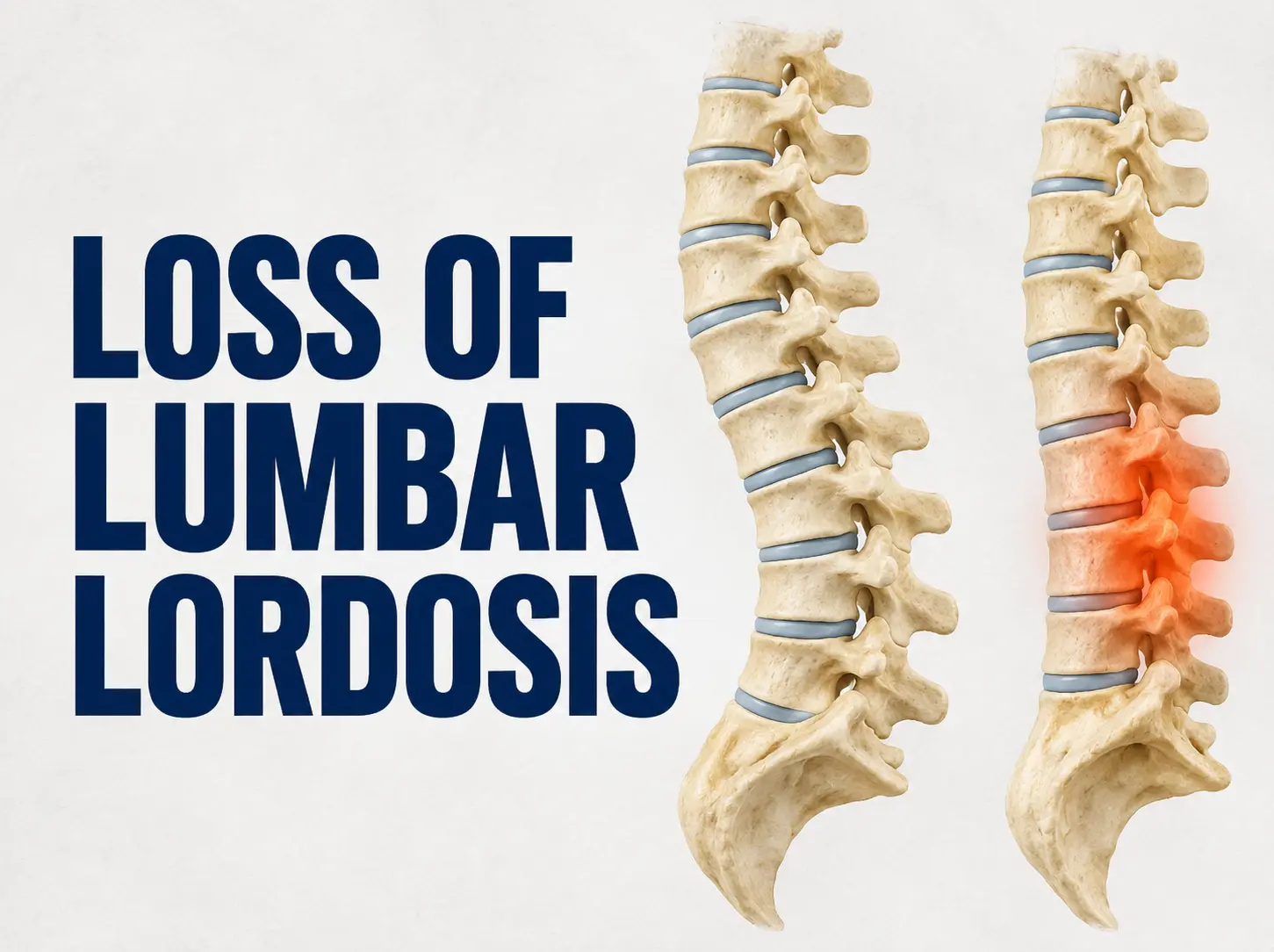
Loss of Lumbar Lordosis: Causes, Symptoms and Treatment
Lower back pain is not one single condition. Doctors usually describe it in two ways: by how long it has lasted (acute, subacute or chronic) and by what is causing it (for example, a muscle strain, an irritated nerve or a problem in the spine itself). Knowing which type you have helps guide what to do next. This guide explains each type in plain language, how they tend to feel, which warning signs need prompt medical attention, and when to see a doctor.
Types of lower back pain by duration
The most common way to group back pain is by how long it has lasted.
- Acute low back pain: lasts less than 6 weeks. It often starts suddenly, for example after lifting, bending or a long period in an awkward position.
- Subacute low back pain: lasts between 6 and 12 weeks.
- Chronic low back pain: lasts longer than 12 weeks, whether the pain is constant or keeps coming back.
Most episodes of acute low back pain are not caused by a serious disease, and many improve over days to weeks. Pain can return, though, and pain that lasts beyond a few weeks is worth having checked.
Types of lower back pain by cause
1. Mechanical or non-specific low back pain
This is the most common type. The pain is usually felt in the lower back and is linked to the muscles, ligaments, joints or discs. It is called non-specific because scans often do not show a single clear cause.
- Often triggered by movement, lifting or posture
- May feel like a dull ache, tightness or stiffness
- May ease with rest or a change of position
- Does not usually travel below the knee
See also: can stress cause back pain.
2. Radicular pain (nerve root pain)
Radicular pain happens when a nerve in the lower spine is irritated or squeezed. It often travels from the lower back into the buttock and leg, sometimes below the knee.
- May feel sharp, burning or electric
- Can come with tingling, numbness or weakness in the leg or foot
- Often worse when coughing, sneezing or sitting for long
- Commonly linked to a slipped disc, sciatica or spinal stenosis
3. Referred pain
Pain that arises in one structure, such as a joint or disc, can be felt in another area. It is usually a dull, hard-to-pinpoint ache that may spread to the buttock or thigh. It typically does not follow the sharp, narrow path of nerve pain.
4. Pain from a specific spinal condition
Some back pain is linked to a recognised condition in the spine, such as:
- Age-related wear: changes in the discs and joints. See lumbar spondylosis symptoms.
- Disc problems: for example a bulge or herniation. See L4-L5 disc bulge symptoms.
- Spondylolisthesis: a vertebra slips forward over the one below.
- Spinal stenosis: narrowing of the space around the nerves.
- Compression fractures: weakened bones, for example with osteoporosis.
- Ankylosing spondylitis: an inflammatory condition. It often starts gradually in younger adults, with morning stiffness that eases with movement.
- Vertebrogenic pain: a term some doctors use for pain thought to come from the endplates of the vertebrae. It is assessed through examination and MRI, and is a question to raise with a spine specialist.
5. Pain from serious causes
A small number of people have back pain caused by a serious problem, such as a fracture, infection, a tumour or compression of the nerves at the base of the spine (cauda equina syndrome). These usually come with warning signs, listed below.
6. Pain from other organs
Pain felt in the lower back can sometimes come from outside the spine, for example from the kidneys, the pelvis or the abdomen. This type often comes with other symptoms such as fever, burning during urination, or pain that does not change with movement.
How do I tell what kind of lower back pain I have?
You cannot reliably diagnose it yourself, but these questions can help you describe your pain to a doctor:
- Where is it? Only in the lower back, or does it travel into the buttock or leg?
- What does it feel like? Dull and achy, or sharp, burning or tingling?
- What changes it? Does movement, sitting, standing, coughing or rest make it better or worse?
- When is it worst? After activity, first thing in the morning, or at night?
- What else is happening? Fever, weakness, numbness, weight loss or urinary changes?
- How long has it lasted? Days, weeks or months?
A doctor combines these answers with an examination and, if needed, tests such as an X-ray or MRI. Not everyone needs imaging.
What are the most common causes of lower back pain?
The causes seen most often are:
- Muscle or ligament strain from lifting, awkward movements or long periods in one position
- Disc problems, where a disc bulges or presses on a nearby nerve
- Age-related wear of the discs and joints of the spine
Poor posture, low activity, excess body weight and stress can add to the load on the lower back.
What are the red flags of low back pain?
Seek medical advice promptly if your back pain comes with any of the following:
- Difficulty controlling urine or stool, or numbness around the groin or inner thighs. This can be an emergency, so go to a hospital straight away.
- Weakness, numbness or tingling in one or both legs, especially if it is getting worse
- Pain after a fall, accident or injury
- Fever, chills or night sweats with back pain
- Unexplained weight loss, or a history of cancer
- Constant pain that is worse at night or does not ease with rest
- Back pain that starts for the first time after the age of 50, or in a child or teenager
How is each type usually managed?
Treatment depends on the type and cause, so the plan is decided with a doctor. In general:
- Mechanical pain: staying gently active, heat if it feels helpful, physiotherapy and posture changes. See back pain exercises at home.
- Nerve root pain: assessment of the cause, physiotherapy, medicines as advised and, in some cases, injections or other procedures.
- Structural conditions: treatment of the specific condition, with surgery considered only for selected cases.
- Serious causes and other organs: treatment of the underlying problem by the appropriate specialist.
Which doctor should I see?
A family doctor or physician is a reasonable first step. Depending on your symptoms, you may be referred to an orthopaedic or spine specialist, a neurologist or a physiotherapist. Read which doctor to consult for back pain.
Frequently asked questions
How to make lower back pain go away? There is no instant fix, and the right approach depends on the type. For short episodes of muscle-related pain, staying gently active, changing position often and using heat may help while you recover. If the pain is severe, spreads down the leg or does not improve after a few weeks, see a doctor.
Is lower back pain serious? Most of the time, it is not caused by a serious disease. The warning signs above are the reason to get checked sooner.
Can lower back pain be more than one type? Yes. Types can overlap, for example muscle tightness together with nerve irritation.
Does the location of the pain tell me the cause? It gives clues, but not a diagnosis. Pain that travels down the leg suggests nerve involvement, while pain confined to the lower back is more often muscular or joint-related.
Check your spine health
To understand which daily habits may affect your back, try the Spine Health Quiz. It is for information only and does not replace a medical examination. If you are in Mumbai and would like a consultation, you can use the appointment page.
Disclaimer: This article is for general information. It is not medical advice, a diagnosis or a substitute for treatment. Please speak to a qualified doctor about your symptoms.
-
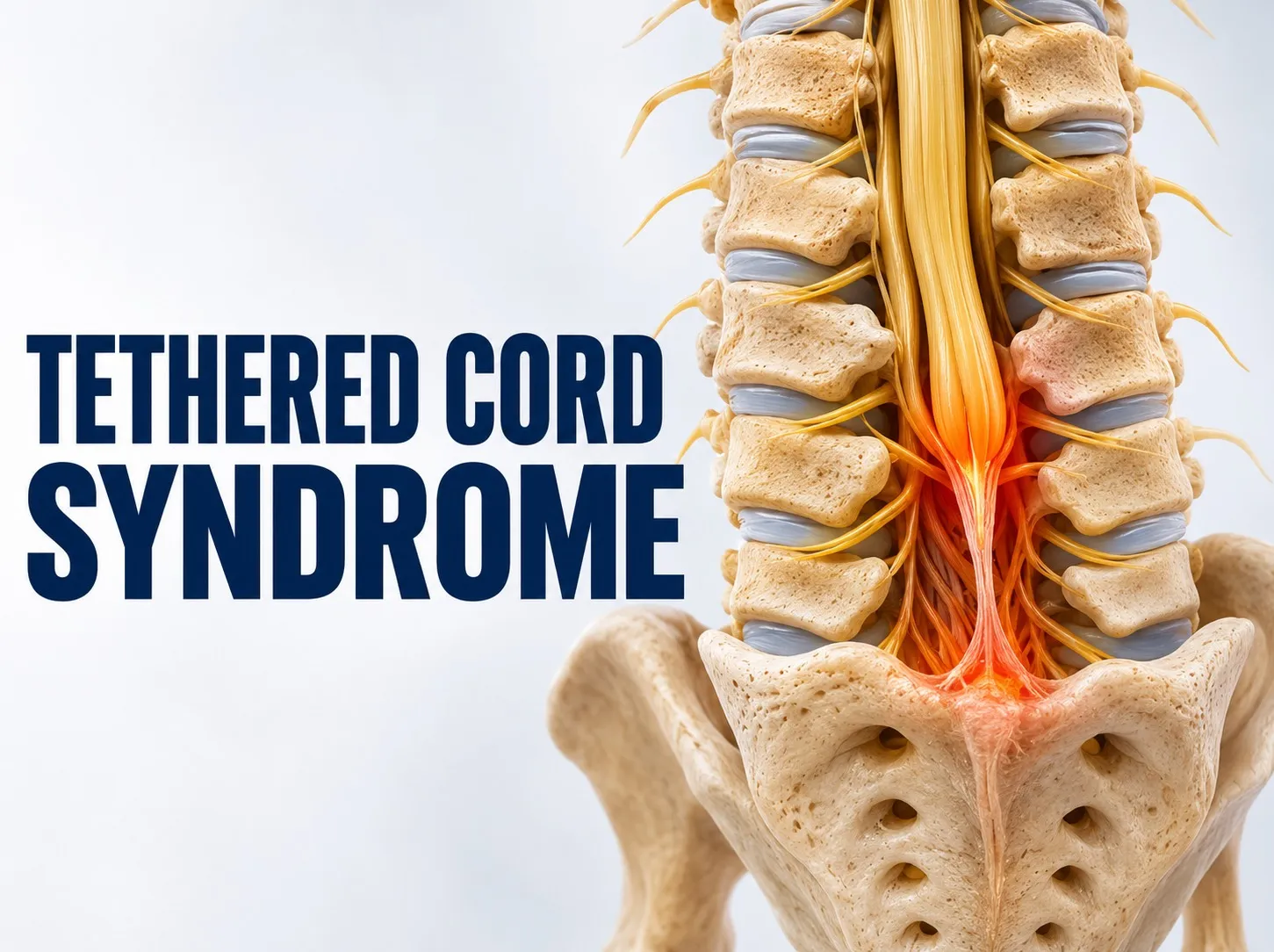
 Tethered Cord Syndrome
-
 Why Is My Lower Back So Stiff?
-
 Lower Back Pain When Standing?
-
Types of Lower Back Pain: Causes, Symptoms and When to See a Doctor
-
Is Heat Good for Back Pain? When It Helps and How to Use It Safely
-
Loss of Lumbar Lordosis: Causes, Symptoms and Treatment
-
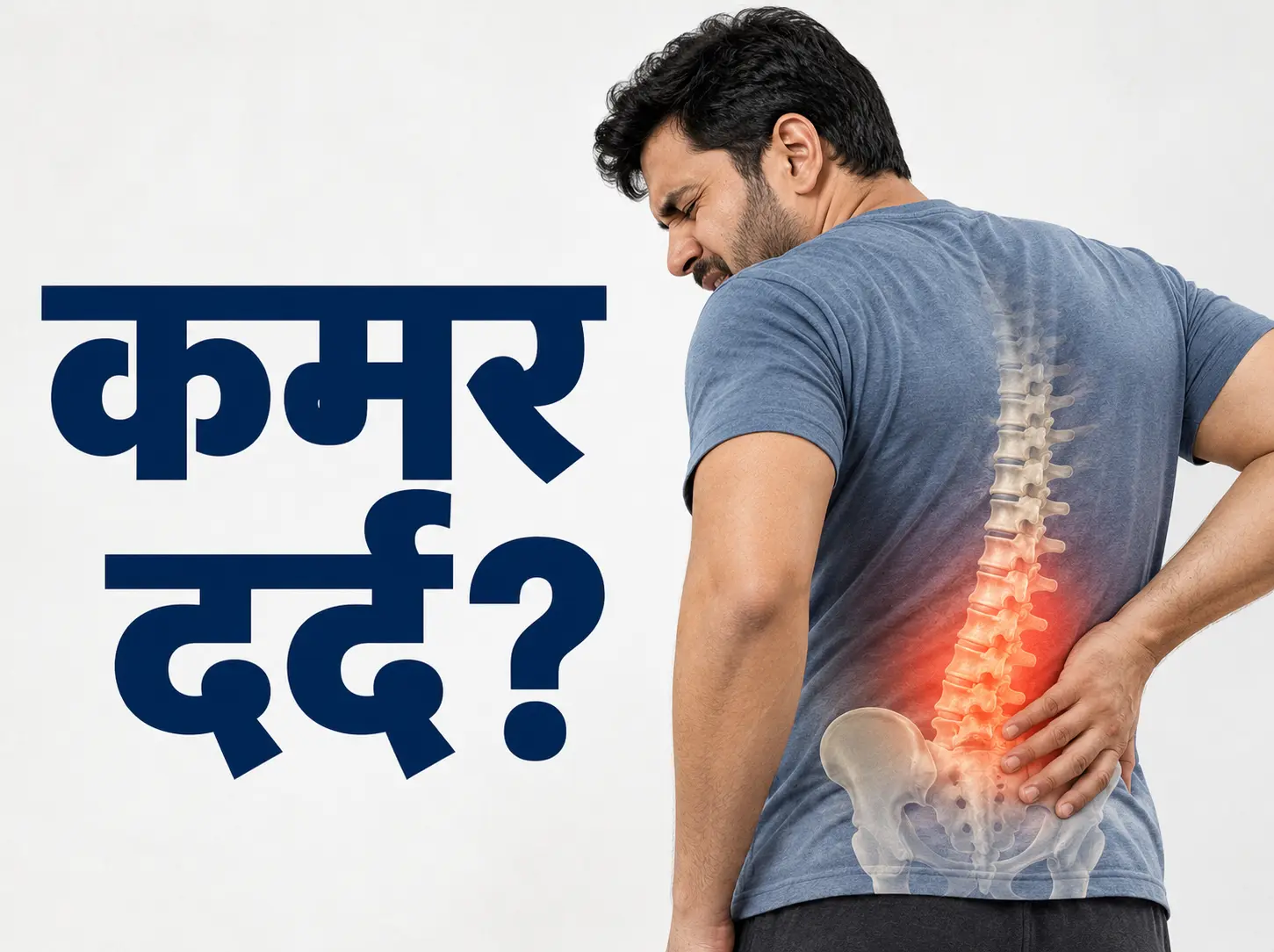
कमर दर्द: कारण, घरेलू उपाय और कब डॉक्टर को दिखाएं






2 Responses