Cervical Disc Prolapse: Symptoms, Causes & Treatment
Neck pain is one of the most common musculoskeletal complaints, affecting millions of people every year. Among the many causes of persistent neck pain, cervical disc prolapse is a condition that can significantly affect daily life by causing pain, numbness, weakness, and reduced mobility.
The cervical spine consists of seven vertebrae (C1 to C7), separated by soft intervertebral discs that act as cushions and allow smooth movement. When one of these discs weakens and protrudes beyond its normal boundary, it may compress nearby nerves or the spinal cord, leading to symptoms that range from mild discomfort to significant neurological problems.
Early diagnosis is important because many people recover well with conservative treatment, especially when the condition is identified before severe nerve damage develops.
If your symptoms are related to age-related wear and tear rather than a prolapsed disc, you may also find our guide on Cervical Spondylosis helpful.
What Is Cervical Disc Prolapse?
A cervical disc prolapse occurs when one of the intervertebral discs in the neck becomes damaged and extends beyond its normal position. The condition is also commonly called a cervical slipped disc, herniated cervical disc, or cervical disc herniation.
Each spinal disc has:
- A tough outer layer (annulus fibrosus)
- A soft gel-like centre (nucleus pulposus)
Over time or following an injury, the outer layer may weaken or tear. This allows the inner material to bulge or herniate, potentially irritating or compressing nearby nerves.
Unlike general neck pain caused by muscle strain, cervical disc prolapse often produces symptoms that radiate into the shoulder, arm, or hand because of nerve involvement.
For a broader overview of disc-related problems, read Slipped Disc Symptoms.
Which Levels of the Cervical Spine Are Commonly Affected?
Although a disc prolapse can occur at any level of the cervical spine, the most frequently affected segments are:
- C4–C5
- C5–C6
- C6–C7
These levels experience greater movement and mechanical stress during everyday activities such as:
- Looking down at a phone
- Working on a computer
- Driving
- Lifting heavy objects
- Poor sitting posture
The exact symptoms depend on which nerve root is compressed.
Common Cervical Disc Prolapse Symptoms
The symptoms of cervical disc prolapse vary depending on the size of the disc prolapse and the nerve affected. Some people have only neck pain, while others experience symptoms that extend into the shoulder, arm, or hand.
1. Neck Pain
Neck pain is usually the earliest symptom.
The pain may:
- Develop gradually
- Become worse after prolonged sitting
- Increase while looking down
- Worsen with sudden neck movements
- Improve with rest in some cases
Some people describe the pain as dull and aching, while others experience sharp or stabbing discomfort.
2. Pain Radiating Into the Shoulder and Arm
One of the hallmark features of cervical disc prolapse is pain that travels beyond the neck.
Depending on the affected nerve, pain may spread to:
- Shoulder
- Upper arm
- Forearm
- Wrist
- Fingers
The pain may be:
- Burning
- Shooting
- Electric shock-like
- Sharp
- Intermittent or constant
3. Numbness and Tingling
When a cervical nerve root is compressed, sensory changes often develop.
Commonly affected areas include:
- Thumb
- Index finger
- Middle finger
- Ring finger
- Little finger
The exact pattern depends on which cervical nerve is involved.
Many patients notice numbness after long periods of computer work or driving.
4. Muscle Weakness
Persistent nerve compression may reduce muscle strength.
Patients may notice:
- Weak grip strength
- Difficulty lifting objects
- Trouble opening jars
- Reduced arm strength
- Difficulty raising the shoulder
Weakness should never be ignored because it may indicate ongoing nerve compression.
5. Neck Stiffness
Many people with cervical disc prolapse develop stiffness that makes it difficult to:
- Turn the head
- Look over the shoulder
- Drive comfortably
- Sleep in certain positions
Gentle mobility exercises prescribed by a healthcare professional can often help improve movement.
You may also benefit from Cervical Spondylosis Exercises if recommended by your treating clinician.
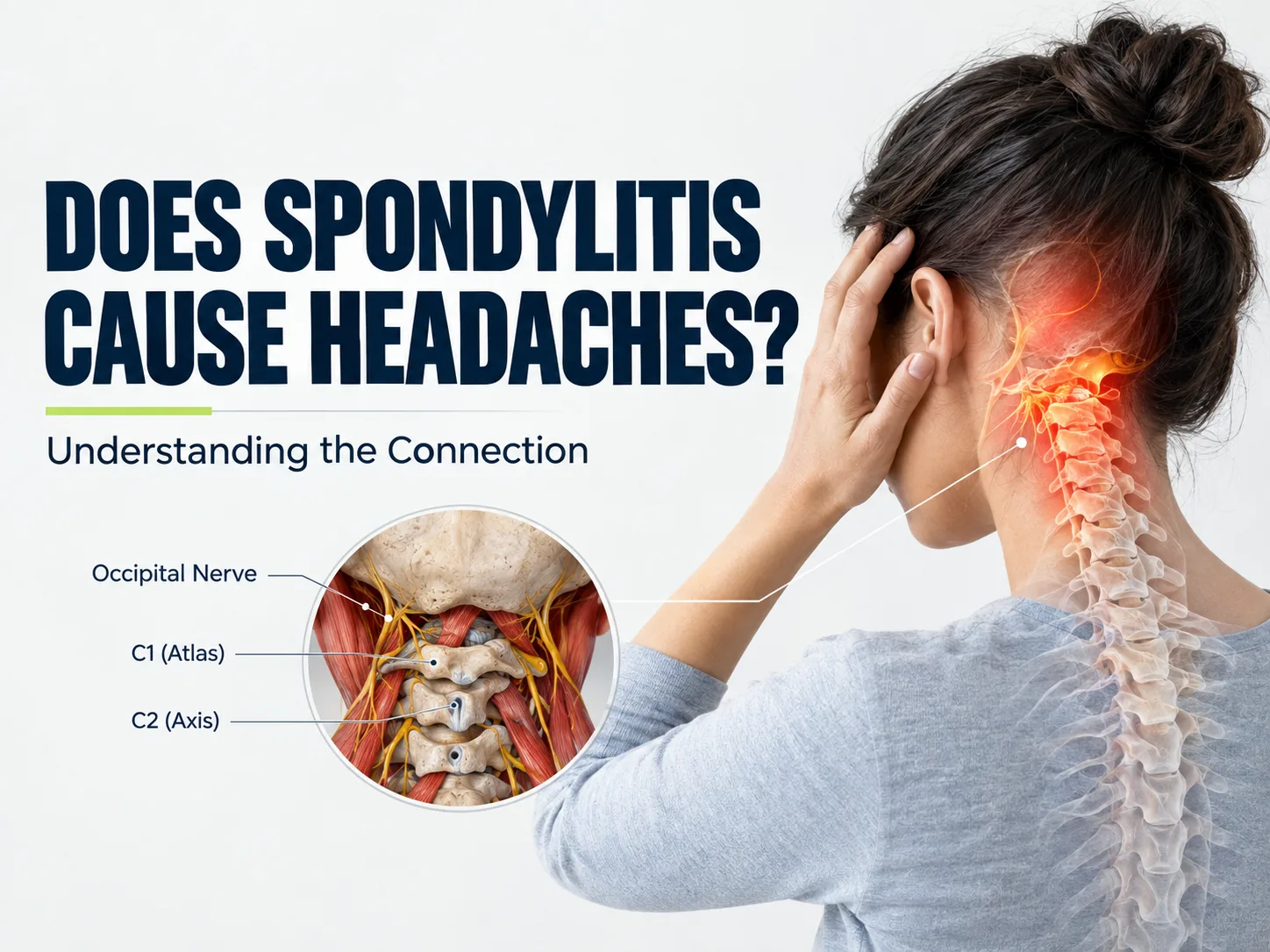
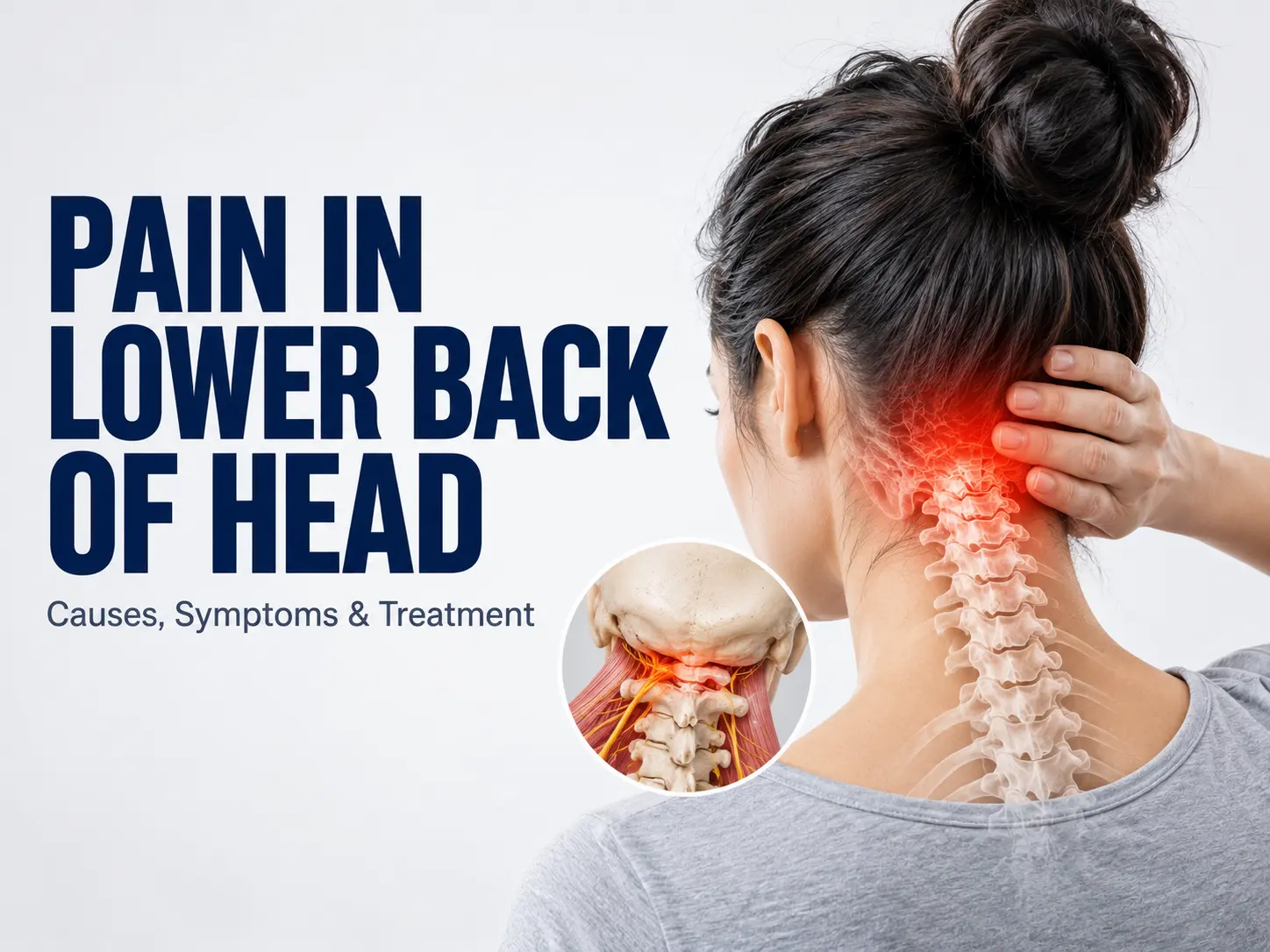
6. Headaches
Some individuals experience headaches that begin at the base of the skull and spread towards the forehead.
These headaches may worsen after:
- Long hours at a desk
- Poor posture
- Stress
- Repetitive neck movements
Headaches can have many different causes, so they should be evaluated in the context of your overall symptoms.
7. Loss of Balance or Difficulty Walking
In rare cases, a large cervical disc prolapse may compress the spinal cord rather than just a nerve root.
This can lead to symptoms such as:
- Unsteady walking
- Poor balance
- Clumsiness
- Difficulty with fine hand movements
These symptoms require prompt medical assessment.
Which Fingers Become Numb?
The pattern of numbness often helps doctors identify the affected nerve.
Disc Level | Common Area Affected |
C5–C6 | Thumb and index finger |
C6–C7 | Middle finger |
C7–T1 | Ring and little finger |
Although these patterns are common, individual symptoms can vary.
Can Cervical Disc Prolapse Cause Dizziness?
A cervical disc prolapse does not typically cause dizziness directly. However, some people with neck disorders may report dizziness alongside neck pain due to associated muscle tension, altered neck movement, or other conditions.
If dizziness is persistent or severe, it should be assessed to identify the underlying cause.
Read more in Can Cervical Spondylosis Cause Dizziness?.
Causes of Cervical Disc Prolapse
A cervical disc prolapse develops when the disc in the neck weakens or is subjected to excessive stress. In many cases, it results from gradual degeneration rather than a single injury.
Common causes include:
- Age-related disc degeneration
- Repetitive neck movements
- Poor posture while working
- Long hours using computers or smartphones
- Heavy lifting with incorrect technique
- Sudden neck injury
- Road traffic accidents
- Sports injuries
- Smoking, which may accelerate disc degeneration
- Obesity and physical inactivity
Although ageing is the most common cause, younger adults can also develop a cervical disc prolapse after trauma or repetitive strain.
If your neck pain is related to prolonged device use, read our guide on Text Neck Syndrome.
Which Doctor Should You Consult?
If you have persistent neck pain, pain radiating into the arm, numbness, or weakness, consult a qualified spine specialist.
Read our guide on Which Doctor to Consult for Neck Pain to understand which specialist is most appropriate for your symptoms.
Can Cervical Disc Prolapse Heal Naturally?
In many cases, symptoms improve over time with appropriate non-surgical treatment. As inflammation settles and pressure on the nerve decreases, pain and neurological symptoms may gradually lessen.
However, recovery varies, and not all prolapsed discs resolve completely. Persistent pain, worsening weakness, or spinal cord symptoms require specialist evaluation.
How to Prevent Cervical Disc Prolapse
While not all cases can be prevented, these habits may reduce your risk:
- Maintain good posture while sitting and standing
- Position computer screens at eye level
- Avoid looking down at your phone for long periods
- Exercise regularly
- Strengthen your neck, shoulder, and core muscles
- Take regular breaks during desk work
- Lift heavy objects correctly
- Stop smoking
- Maintain a healthy body weight
If prolonged device use contributes to your symptoms, read Text Neck Syndrome for practical prevention tips.
Frequently Asked Questions
What is cervical disc prolapse?
A cervical disc prolapse occurs when a disc in the neck bulges or herniates and presses on nearby nerves or the spinal cord, causing symptoms such as neck pain, arm pain, numbness, tingling, or weakness.
Is cervical disc prolapse serious?
It can range from mild to severe. Many cases improve with conservative treatment, but significant nerve or spinal cord compression requires prompt medical attention.
Can cervical disc prolapse heal naturally?
Many people experience improvement over time with non-surgical treatment, although recovery depends on the severity of the condition and individual factors.
What are the first symptoms of cervical disc prolapse?
Early symptoms often include neck pain, stiffness, pain radiating to the shoulder or arm, tingling, and numbness in the hand or fingers.
Can cervical disc prolapse cause headaches?
Yes. Some people experience headaches that begin at the back of the head and are associated with neck pain and muscle tension. Headaches have many possible causes, so a medical assessment may be needed.
Can cervical disc prolapse cause dizziness?
Dizziness is not a typical direct symptom of a cervical disc prolapse, but some people with neck disorders may experience dizziness related to associated muscle tension or reduced neck mobility. Persistent dizziness should always be evaluated by a healthcare professional.
Is surgery always necessary?
No. Most people recover with conservative treatments such as physiotherapy, activity modification, posture correction, and prescribed medications. Surgery is generally reserved for persistent symptoms or significant neurological deficits.
Which doctor should I consult?
If you have persistent neck pain, pain radiating into the arm, numbness, weakness, or difficulty with balance, consult a spine specialist for a comprehensive evaluation.
Conclusion
A cervical disc prolapse is a common cause of neck pain and arm symptoms, particularly in adults with age-related disc changes, poor posture, or repetitive neck strain. Early symptoms may include neck stiffness, radiating arm pain, numbness, tingling, and muscle weakness. Recognising these signs and seeking timely medical advice can help prevent progression and improve recovery.
The good news is that most people recover with non-surgical treatment, including physiotherapy, posture correction, and lifestyle changes. However, if symptoms persist, worsen, or are accompanied by progressive weakness, balance problems, or loss of bladder or bowel control, urgent medical assessment is essential.
By maintaining good spinal habits, staying physically active, and addressing symptoms early, you can reduce the impact of cervical disc prolapse and support long-term neck health.




4 Responses