Kyphoscoliosis Treatment: Options, Exercises & Surgery
Kyphoscoliosis treatment depends on several factors, including the severity and type of spinal curvature, the person’s age, whether the curve is progressing, the underlying cause, and the symptoms it produces. Treatment can range from regular monitoring and physiotherapy to bracing or spinal surgery in more severe or progressive cases.
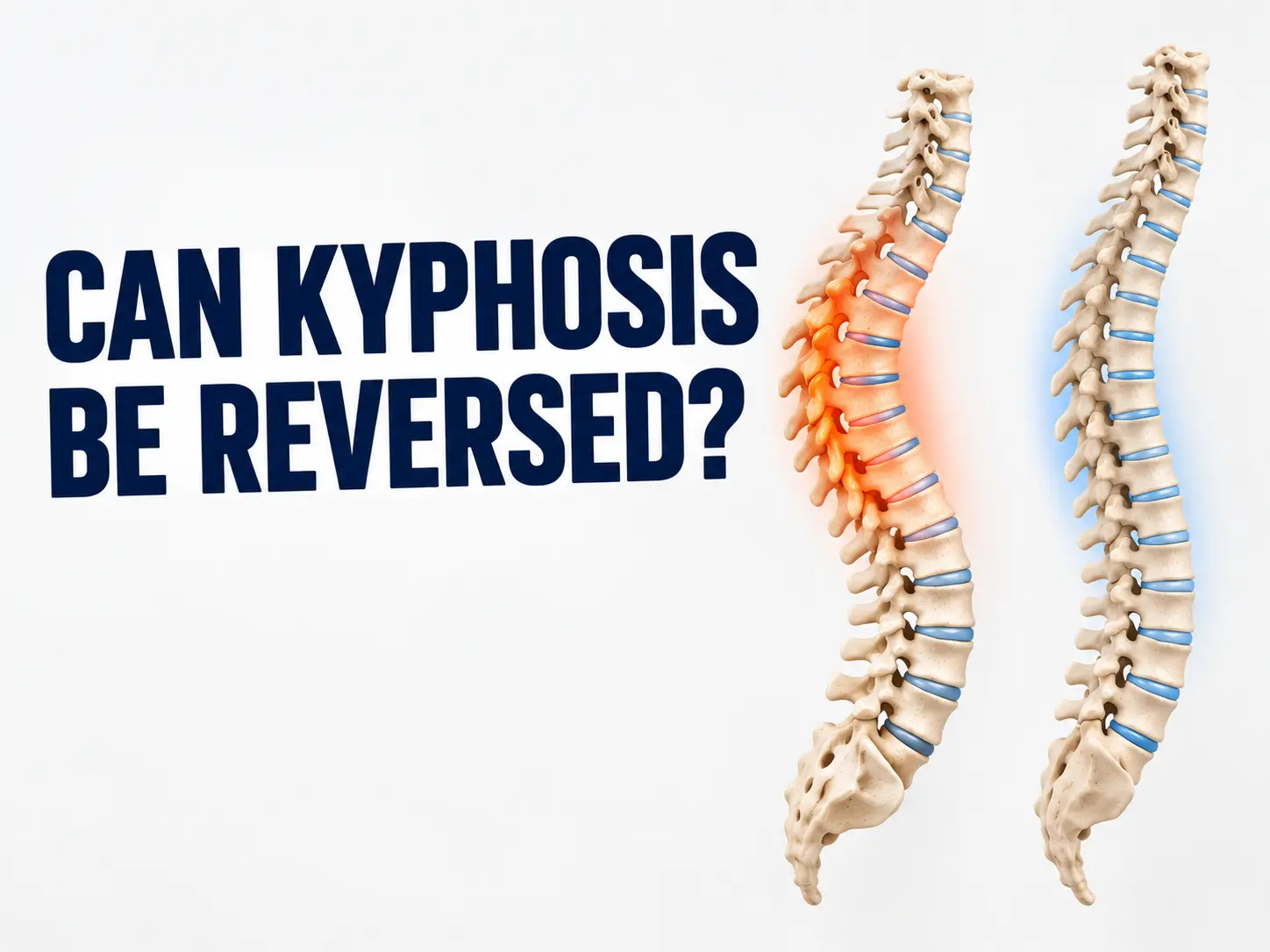
Kyphoscoliosis is a spinal deformity in which kyphosis and scoliosis occur together. Kyphosis causes an excessive forward curve of the spine, while scoliosis causes the spine to curve sideways and rotate. Because both types of curvature are present, treatment needs to address the overall alignment and function of the spine rather than focusing on one curve alone.
What Is Kyphoscoliosis?
Kyphoscoliosis is a combination of:
- Kyphosis – an excessive forward curvature of the spine, most noticeable in the side view.
- Scoliosis – an abnormal sideways curvature of the spine, often accompanied by rotation.
The condition can develop during childhood or adolescence, or appear later in life. Possible causes include idiopathic spinal deformity, congenital abnormalities, neuromuscular conditions, degenerative changes and other underlying disorders.
The treatment approach is different for every person. A mild, stable curve may only require observation, while a progressive or severe deformity can require more active treatment.
For a clearer explanation of the two conditions, see our guide on kyphosis vs scoliosis.
How Is Kyphoscoliosis Diagnosed?
Before deciding on treatment, a spine specialist usually assesses the shape and flexibility of the spine, symptoms, neurological function and whether the curvature is changing over time.
Evaluation may include:
Physical examination
The doctor may assess:
Spinal alignment and posture
Shoulder and pelvic symmetry
Range of movement
Muscle strength
Reflexes and sensation
Balance and walking pattern
Signs of nerve involvement
Standing spine X-rays
Standing X-rays are commonly used to evaluate spinal alignment and measure the degree of curvature. They can help determine the severity of both the kyphotic and scoliotic components.
MRI or other imaging
MRI may be recommended when there are neurological symptoms, unusual pain patterns, concerns about the spinal cord or other findings that require further investigation.
The cause of kyphoscoliosis is also important because treatment may need to address an underlying congenital, neuromuscular, degenerative or other condition.
Kyphoscoliosis Treatment Options
There is no single treatment that is appropriate for everyone with kyphoscoliosis. Management may include observation, physiotherapy, bracing, medication for symptoms, treatment of an underlying condition or surgery.
1. Observation and Regular Monitoring
Mild or stable kyphoscoliosis may not require immediate corrective treatment.
Instead, a doctor may recommend:
Regular clinical examinations
Periodic imaging when appropriate
Monitoring for progression
Maintaining physical activity within individual limits
Treatment of pain or functional problems if they develop
This approach is particularly relevant when the curvature is not progressing and symptoms are limited.
Monitoring is also important in growing children and adolescents because spinal curves can change as the child develops.
2. Physiotherapy and Exercise for Kyphoscoliosis
Physiotherapy can be an important part of kyphoscoliosis management, particularly for improving physical function and managing symptoms.
A personalised programme may focus on:
Core and trunk strength
Back and hip strength
Flexibility and mobility
Postural control
Breathing mechanics when appropriate
Balance and functional movement
Maintaining general physical activity
Can exercises straighten kyphoscoliosis?
Exercises can help improve strength, mobility, posture, physical conditioning and symptom management, but they should not be presented as a guaranteed way to straighten a structural spinal deformity.
The effect of exercise depends on the underlying cause, age, curve characteristics and whether the spine is still growing.
Exercises should therefore be selected according to the person’s spinal assessment rather than copied from a generic routine.
3. Bracing for Kyphoscoliosis
Bracing can be considered in selected children and adolescents who are still growing, depending on the type and characteristics of their spinal curvature.
The aim of a brace is generally to help control progression of an appropriate spinal curve during growth rather than to provide a permanent correction in every case.
Bracing is less likely to correct an established, rigid structural deformity in an adult.
The type of brace, duration of use and expected benefit depend on the individual spinal deformity and should be determined by a specialist.
If your child has been diagnosed with scoliosis, you can also read our guide to scoliosis in children.
4. Pain Management
Some people with kyphoscoliosis experience back pain because of altered spinal mechanics, muscle fatigue, degenerative changes or an underlying spinal condition.
Depending on the cause and severity of symptoms, treatment may include:
Physiotherapy
Activity modification
Heat or other supportive measures
Appropriate pain-relieving medication
Treatment directed at an underlying spinal problem
Pain treatment should be based on the cause rather than assuming that the curvature itself is always responsible for pain.
5. Treating the Underlying Cause
Kyphoscoliosis can occur for different reasons, and identifying the cause is an important part of treatment.
For example, management may need to account for:
Congenital spinal abnormalities
Neuromuscular disorders
Degenerative spinal changes
Developmental spinal deformities
Other conditions affecting spinal growth or alignment
Treating the underlying condition can be an important component of managing the spinal deformity.
Kyphoscoliosis Treatment in Children and Adolescents
Treatment in children is different from treatment in adults because the spine is still growing.
The doctor considers:
- Age and remaining growth
- Curve characteristics
- Whether the curve is progressing
- Symptoms
- Underlying cause
- Overall physical development
Depending on these factors, treatment may involve observation, physiotherapy, bracing or surgery.
The goal is generally to control progression while supporting normal growth and function whenever possible.
For more information, see our dedicated scoliosis treatment guide.
Kyphoscoliosis Treatment in Adults
Adult kyphoscoliosis can be associated with degenerative spinal changes, long-standing spinal deformity or conditions that developed earlier in life.
Treatment may focus on:
- Reducing pain
- Maintaining mobility
- Improving strength and physical function
- Managing associated spinal conditions
- Monitoring progression
- Addressing significant spinal imbalance or neurological problems when present
Physiotherapy and appropriate exercise can be useful for many adults, but established structural curves generally cannot be expected to disappear through exercise alone.
When symptoms are caused by another spinal condition, such as nerve compression or spinal stenosis, that condition may also need to be addressed.
When Is Kyphoscoliosis Surgery Needed?
Kyphoscoliosis surgery is not necessary for everyone. Surgery is generally considered when the deformity is severe or progressive, causes significant functional problems, produces neurological complications, or cannot be adequately managed with non-surgical treatment.
The decision depends on factors such as:
- Severity and pattern of the deformity
- Progression of the curve
- Spinal balance
- Pain and functional limitations
- Neurological findings
- Overall health
- Underlying cause
- Age and skeletal maturity
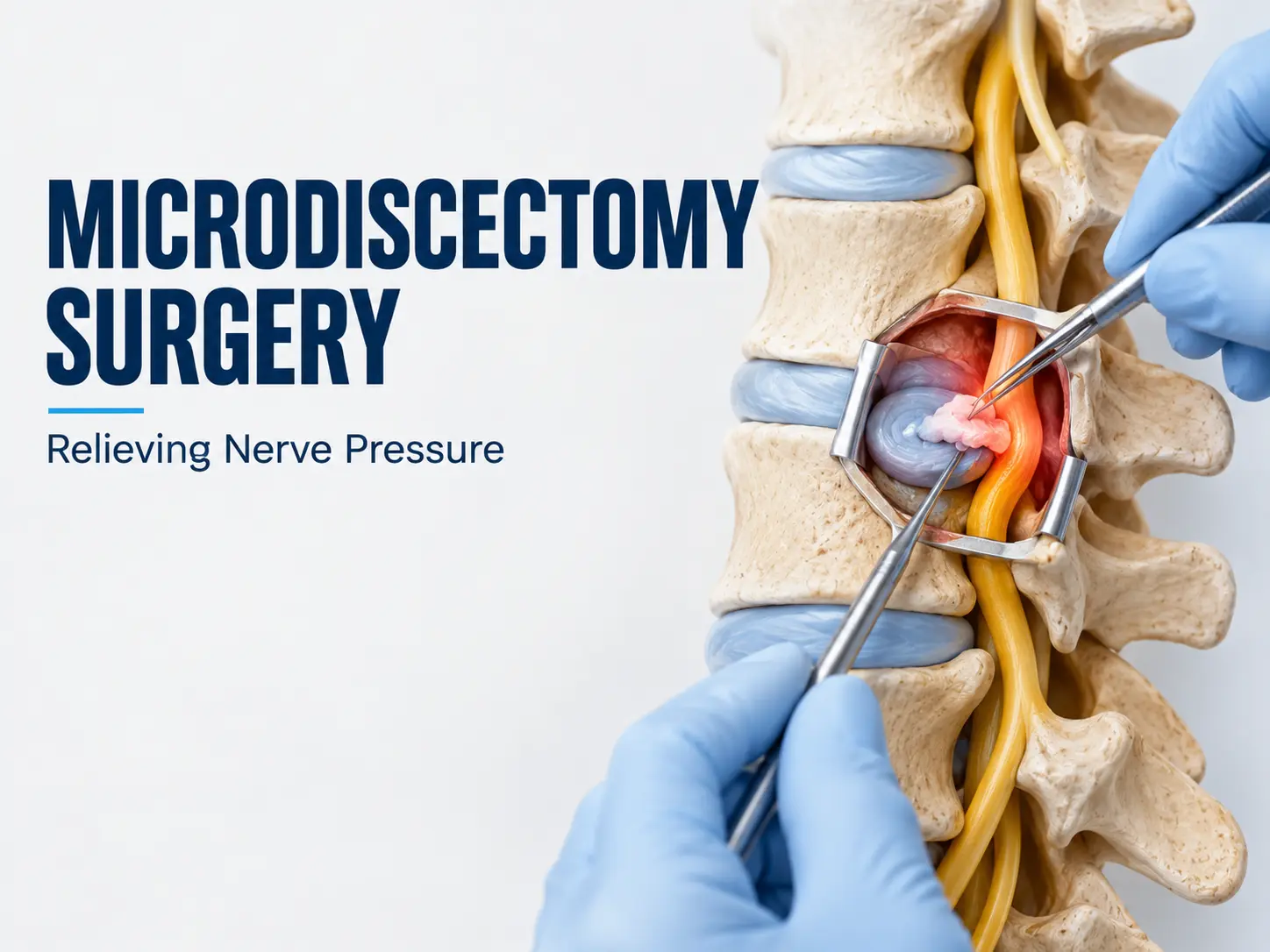
Depending on the deformity, surgery may involve techniques designed to correct spinal alignment and stabilise the affected segments.
Because kyphoscoliosis can involve complex three-dimensional spinal deformity, surgical planning requires detailed imaging and an individual assessment.
What Happens During Kyphoscoliosis Surgery?
The exact procedure depends on the location, severity and flexibility of the spinal curves.
Surgery may involve:
- Planning the correction using detailed imaging
- Realigning the spine as safely as possible
- Using spinal instrumentation such as screws and rods when appropriate
- Performing spinal fusion when stabilisation of the corrected segments is required
- Monitoring neurological function during surgery when indicated
Not every patient requires the same surgical technique. The risks and expected benefits should be discussed with the treating spine team before making a decision.
Can Kyphoscoliosis Be Cured?
Whether kyphoscoliosis can be completely corrected depends on its cause, severity, flexibility, age and treatment.
Non-surgical treatment can help manage symptoms, maintain function and, in selected growing patients, help control progression. It does not necessarily eliminate an established structural curve.
Surgery can correct and stabilise significant deformities in appropriately selected patients, but it is a major treatment and is not suitable or necessary for every person.
The realistic goal of treatment is therefore individualised control of the deformity, preservation of function, symptom management and, when appropriate, correction or stabilisation of the spinal alignment.
When Should You See a Spine Specialist?
A spinal assessment is particularly important if kyphoscoliosis is:
- Becoming visibly more pronounced
- Associated with persistent or worsening pain
- Affecting walking or balance
- Causing weakness or numbness
- Limiting everyday activities
- Associated with breathing difficulties
- Developing rapidly during childhood or adolescence
Seek urgent medical attention for new neurological symptoms
New or worsening:
- Leg or arm weakness
- Significant numbness
- Difficulty walking or maintaining balance
- Loss of bladder or bowel control
- Severe or rapidly worsening neurological symptoms
Conclusion
Kyphoscoliosis treatment should be tailored to the individual rather than based only on the appearance of the curve. Mild or stable cases may be monitored, while physiotherapy can support strength, mobility and function. Bracing has a role in selected growing patients, while severe, progressive or significantly symptomatic deformities may require surgical evaluation.
Early assessment is particularly important in children and adolescents because treatment decisions can change as the spine grows. Adults with worsening deformity, persistent pain or neurological symptoms should also undergo an appropriate spinal evaluation.
Frequently Asked Questions About Kyphoscoliosis Treatment
What is the best treatment for kyphoscoliosis?
There is no single best treatment for every patient. Observation, physiotherapy, bracing, symptom management or surgery may be appropriate depending on age, severity, progression, symptoms and the underlying cause.
Can kyphoscoliosis be treated without surgery?
Yes. Many people can be managed without surgery, particularly when the deformity is mild, stable or causes limited symptoms. Treatment may include monitoring, physiotherapy, exercise and, in selected growing patients, bracing.
Do exercises help kyphoscoliosis?
Exercises can improve strength, mobility, posture, conditioning and symptom management. However, exercise should not be expected to permanently straighten an established structural spinal curve.
Is bracing effective for kyphoscoliosis?
Bracing can be useful in selected growing children and adolescents to help control progression of an appropriate spinal curve. Its effectiveness depends on the characteristics of the deformity and the amount of remaining growth.
Does kyphoscoliosis get worse with age?
It can, but progression is not inevitable in every person. The risk depends on factors such as the cause, severity, spinal degeneration and whether the person is still growing. Regular assessment can help identify progression.
When does kyphoscoliosis require surgery?
Surgery may be considered for severe or progressive deformity, significant functional problems, neurological complications or symptoms that cannot be adequately managed with non-surgical treatment.
Can adults with kyphoscoliosis have surgery?
Yes. Adults with significant symptomatic or progressive spinal deformity may be considered for surgery after a detailed assessment. Age, overall health, bone quality, spinal flexibility and the cause of the deformity all influence treatment planning.


One Response