Slipped Disc Treatment Without Surgery: What Works?
Slipped disc treatment without surgery is possible for many people, depending on the severity of the condition, the location of the affected disc and whether nerves are involved. Treatment may include activity modification, medication prescribed by a healthcare professional, physiotherapy and exercises tailored to the individual’s symptoms. Many people experience improvement over time without an operation.
However, not every slipped disc is the same. Some cause mild back or neck pain, while others irritate or compress nearby nerves, leading to pain that travels into the arms or legs, tingling or muscle weakness. The right treatment depends on a clinical assessment rather than an MRI report alone.
Understanding your treatment options can help you make informed decisions about recovery and when to consult a spine specialist.
Can a Slipped Disc Be Treated Without Surgery?
Yes. Many slipped discs can be managed without surgery, particularly when symptoms improve with conservative treatment and there is no significant or progressive neurological problem.
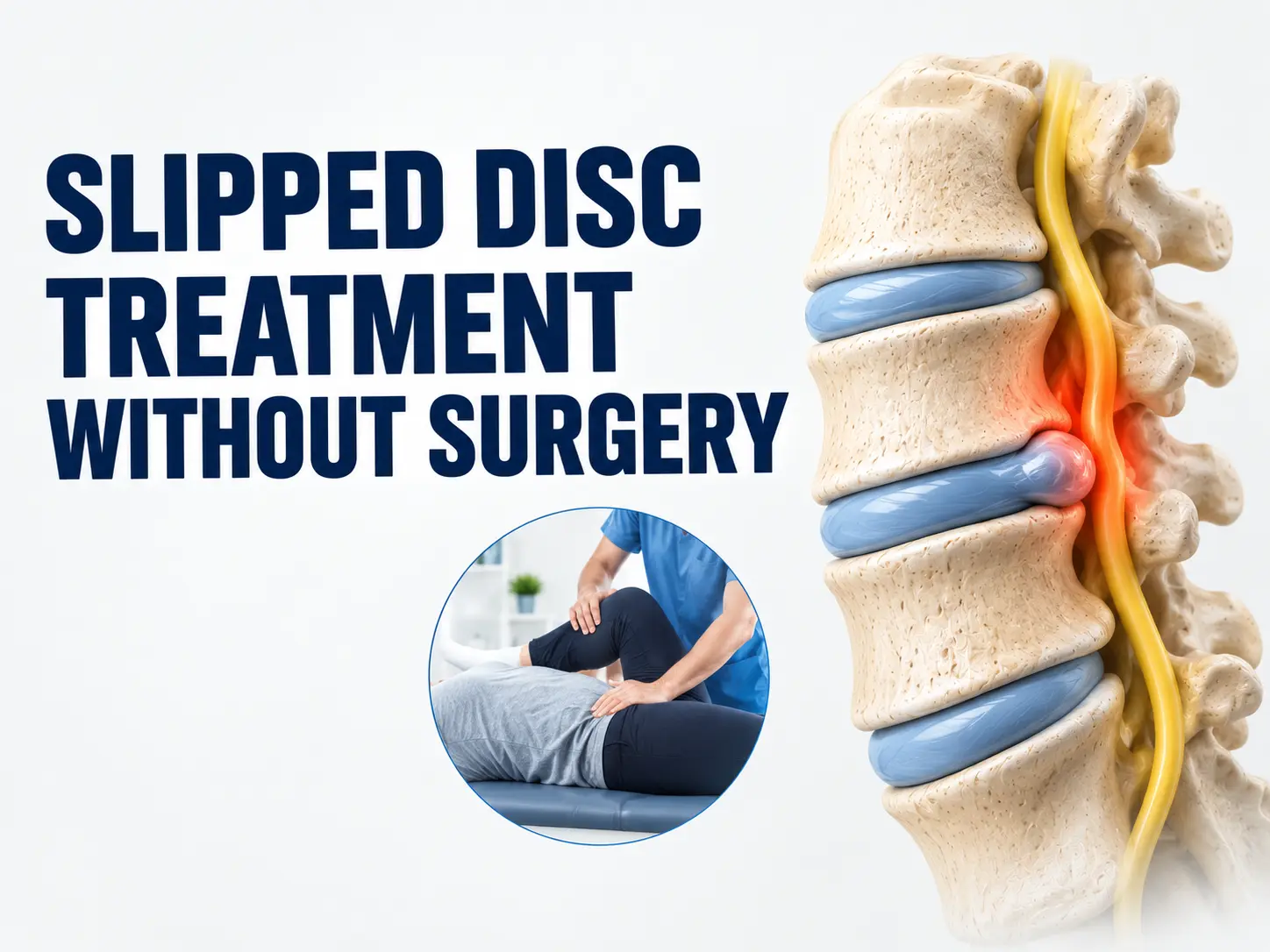
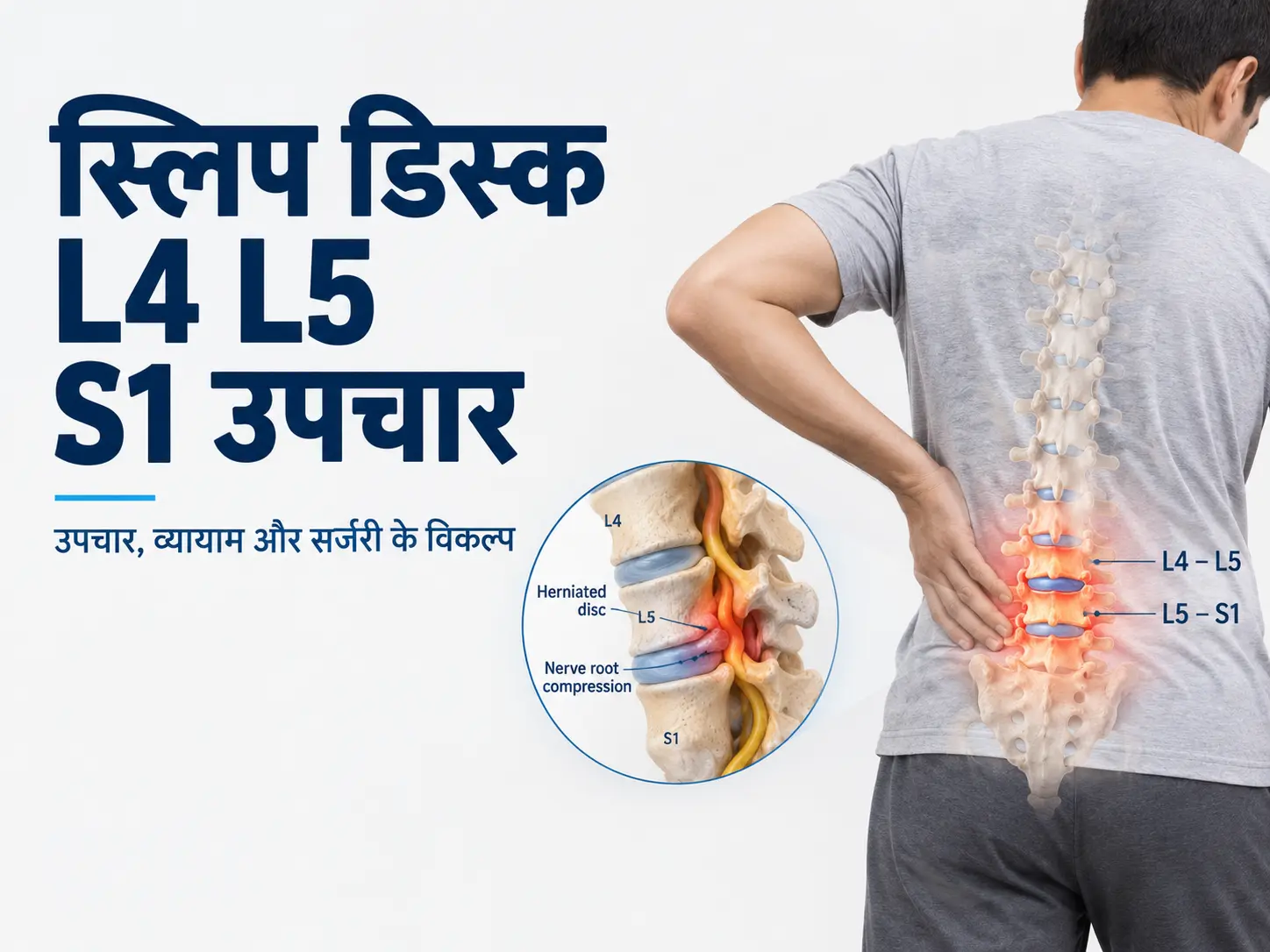
A slipped disc, also called a herniated or prolapsed disc, occurs when part of an intervertebral disc pushes beyond its normal boundary. The disc may irritate a nearby nerve, causing pain and other symptoms.
Non-surgical treatment aims to reduce pain, maintain movement, improve function and give irritated tissues time to settle. In some cases, the body gradually reabsorbs part of the herniated disc material, and symptoms improve.
Treatment may include:
- Staying gently active while temporarily modifying painful activities
- Medication recommended by a qualified healthcare professional
- Physiotherapy and individually selected exercises
- Adjustments to sitting, lifting and other daily activities
- Appropriate symptom-relief measures, such as heat or cold
Surgery may still be necessary when symptoms are severe, neurological function is deteriorating or an adequate trial of non-surgical treatment has not provided sufficient relief.
What Is a Slipped Disc?
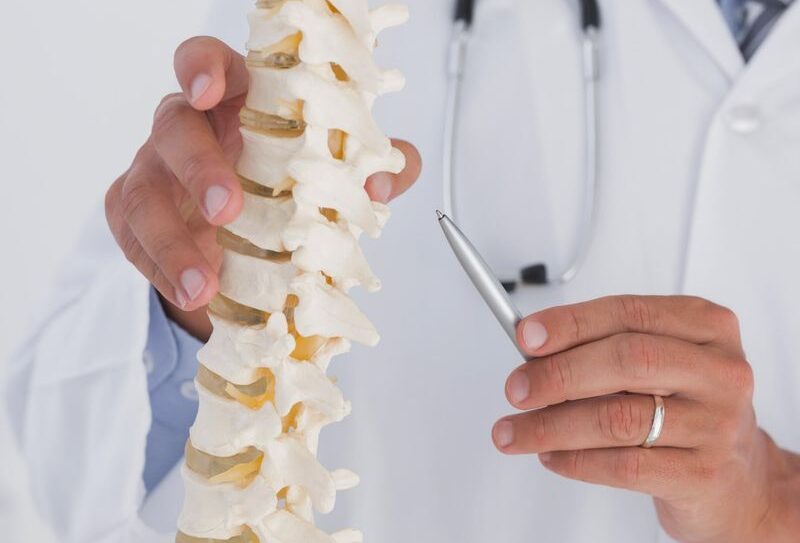
The spine contains bones called vertebrae, separated by intervertebral discs. These discs help absorb loads and allow the spine to move.
Each disc has a softer centre surrounded by a tougher outer layer. When part of the disc extends through a weakened or damaged area of the outer layer, it is called a disc herniation.
The effects depend on where the disc is located and whether it irritates or compresses nearby nerves.
Common symptoms of a slipped disc
Symptoms can vary, but may include:
- Lower back or neck pain
- Pain travelling down one leg, commonly associated with sciatica
- Pain spreading from the neck into the shoulder or arm
- Tingling or numbness in an arm, hand, leg or foot
- Muscle weakness in the affected limb
- Pain that worsens with certain movements, coughing or sneezing
Some people have disc changes visible on imaging without noticeable symptoms. This is why the scan must be interpreted alongside the person’s symptoms and physical examination.
Read more about the symptoms of a slipped disc and the early signs of a slipped disc.
7 Non-Surgical Treatment Options for a Slipped Disc
The best treatment plan depends on the affected spinal level, the severity of symptoms, the person’s medical history and whether nerve function is affected. A combination of approaches may be recommended.
1. Activity Modification and Gentle Movement
When a slipped disc causes pain, it may be tempting to stay in bed for long periods. However, prolonged bed rest can contribute to stiffness, muscle weakness and reduced physical conditioning.
For many people, gentle movement and a gradual return to everyday activities are more helpful than complete inactivity.
Depending on your symptoms, this may involve:
- Taking short, comfortable walks
- Changing position regularly instead of sitting for long periods
- Temporarily reducing activities that repeatedly trigger pain
- Returning gradually to routine tasks as symptoms permit
Avoid forcing movements that worsen pain, particularly if the pain begins travelling farther down an arm or leg or is accompanied by new numbness or weakness.
2. Medication for Pain Relief
Medication may help control pain and make everyday movement more manageable while the condition improves.
Depending on the individual, a healthcare professional may consider certain pain-relieving or anti-inflammatory medicines. These are not suitable for everyone. For example, some anti-inflammatory medicines can cause stomach, kidney or cardiovascular problems and may interact with other medicines.
Use medication according to professional advice and the product instructions. Do not increase doses or combine medicines without checking whether it is safe to do so.
Medication can help manage symptoms, but it does not necessarily correct the underlying disc changes.
3. Physiotherapy for a Slipped Disc
Physiotherapy can help people regain movement, build strength and return to everyday activities. A physiotherapist assesses symptoms, mobility, strength and functional limitations before selecting suitable exercises.
A programme may include:
- Gentle mobility exercises
- Exercises to improve trunk and spinal control
- Gradual strengthening
- Movement retraining for daily activities
- Guidance on lifting, sitting and returning to exercise
The exercises should match the individual’s condition. A movement that helps one person may aggravate another person’s symptoms, especially if a nerve is irritated.
If an exercise causes worsening radiating pain, new tingling or weakness, stop and seek professional guidance rather than pushing through it.
4. Exercises for a Slipped Disc
Appropriate exercises may support recovery by improving mobility, strength and tolerance for everyday activity. However, no single exercise routine works for every slipped disc.
A healthcare professional may recommend gentle walking, selected mobility exercises or specific movements based on how symptoms respond during assessment.
Do not automatically begin intense stretching, repeated forward bending, heavy lifting or vigorous twisting when you have an acute episode of back or neck pain. These activities may aggravate symptoms in some people.
The aim is not to force the disc back into place. Exercise is used to improve function and manage symptoms while recovery progresses.
If you have persistent pain, pain radiating into a limb or a diagnosed disc herniation, seek individual advice before starting a new exercise programme.
5. Heat or Cold for Temporary Relief
Some people find that a cold pack helps ease discomfort during an acute flare-up, while others prefer gentle heat to relieve muscle tension or stiffness.
You can try a wrapped cold pack or a comfortably warm heat pack for short periods, provided it feels helpful and does not irritate your skin.
Avoid placing ice or a hot pack directly against the skin, and do not fall asleep while using a heating device.
Heat and cold are comfort measures. They do not physically push a herniated disc back into place or guarantee faster healing.
6. Improving Sitting, Sleeping and Lifting Habits
Everyday activities can affect how comfortable you feel during recovery. Adjusting these activities may reduce repeated aggravation and make movement easier.
While sitting:
- Use a chair that supports a comfortable posture.
- Keep frequently used items within easy reach.
- Change position regularly and take movement breaks.
- Avoid remaining in one position for long periods if it increases symptoms.
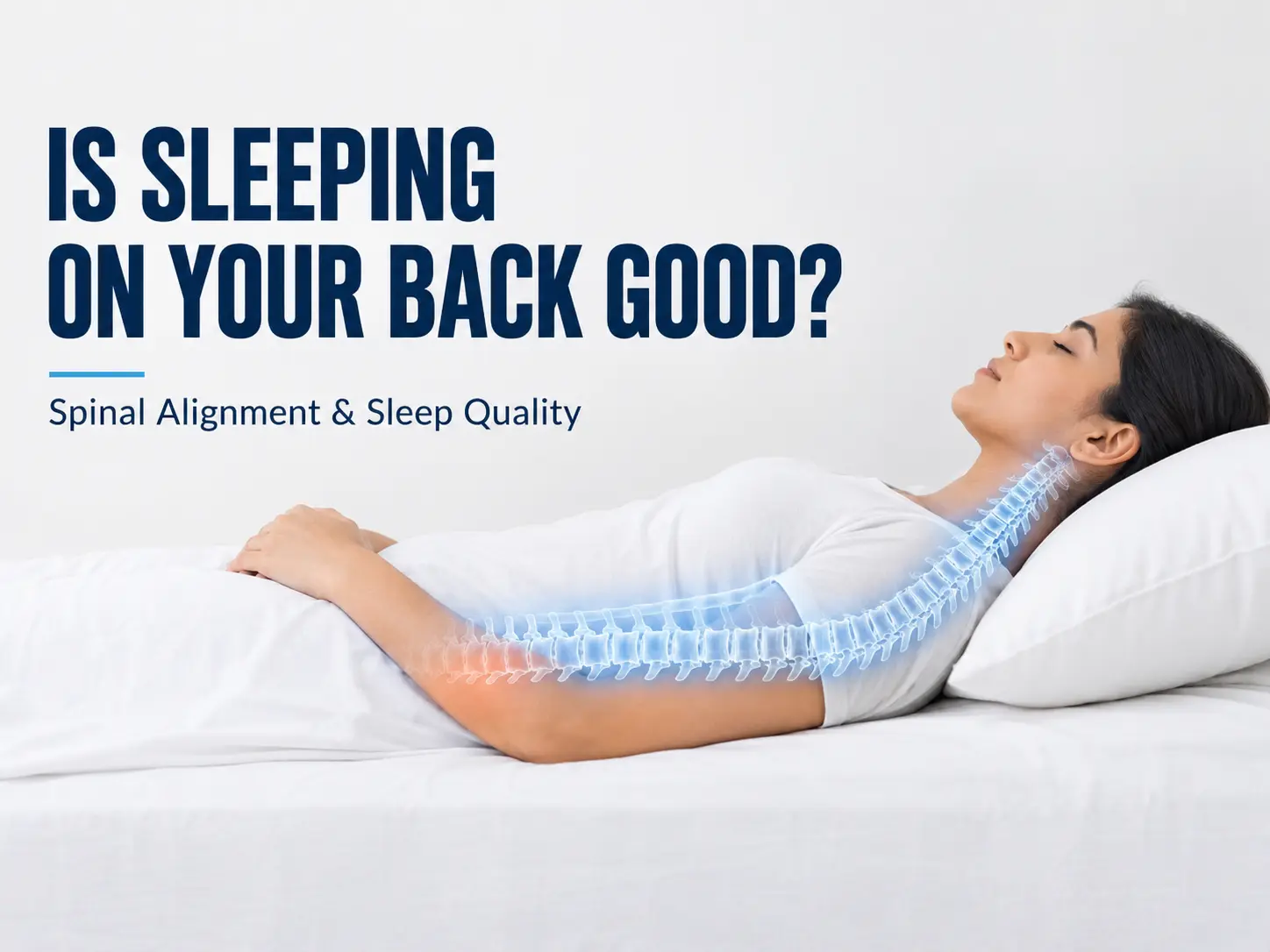
While sleeping:
- Choose a position that allows you to rest comfortably.
- Use pillows to support your neck or legs if that reduces discomfort.
- Adjust your position if it increases pain, tingling or numbness.
While lifting:
- Keep the load close to your body.
- Avoid sudden twisting while carrying something heavy.
- Reduce the load or ask for assistance when needed.
- Return to heavier tasks gradually as symptoms improve.
For additional guidance, see our article on sleeping positions for a slipped disc.
7. Other Treatments Recommended by a Specialist
If pain remains difficult to manage, a specialist may discuss other options based on the diagnosis and examination findings.
In selected cases, an injection may be considered to help reduce inflammation and radiating nerve pain. The likely benefits, limitations and risks depend on the type of injection and the patient’s condition.
Such procedures do not guarantee permanent relief or eliminate the need for further treatment. They should be considered as part of an individual management plan, not as a substitute for urgent care when serious neurological symptoms are present.
Can a Slipped Disc Heal on Its Own?
Yes, symptoms from a slipped disc can improve without surgery. In some cases, the body gradually breaks down and reabsorbs part of the herniated disc material. In others, inflammation around an irritated nerve settles, reducing pain even if some disc changes remain.
However, improvement is not guaranteed to follow the same course for everyone. Recovery depends on factors such as the size and location of the herniation, the degree of nerve irritation, overall health and the demands of daily activities.
It is also important to distinguish between symptom improvement and changes on an MRI. A person may feel substantially better even if imaging still shows a disc bulge or herniation.
The goal of treatment is to improve comfort, movement and function while monitoring for signs that require further evaluation.
How Long Does Recovery From a Slipped Disc Take?
There is no single recovery timeline for a slipped disc. Many people begin to improve over several weeks with appropriate care, but symptoms can last longer depending on the severity and whether a nerve is affected.
Recovery may involve several stages:
- Early phase: The focus is on controlling symptoms, staying safely mobile and modifying activities that aggravate pain.
- Improvement phase: As symptoms settle, activity and suitable exercises may be increased gradually.
- Return-to-activity phase: Strength, movement tolerance and everyday function are rebuilt according to progress.
Persistent or worsening symptoms need reassessment rather than simply waiting for more time to pass.
The location of the disc also matters. If your diagnosis involves a particular spinal level, read our guides to L4-L5 disc bulge treatment without surgery and L5-S1 disc bulge treatment and recovery.
When Is Surgery Needed for a Slipped Disc?
Many people do not require surgery, but non-surgical treatment is not appropriate as the only response in every situation.
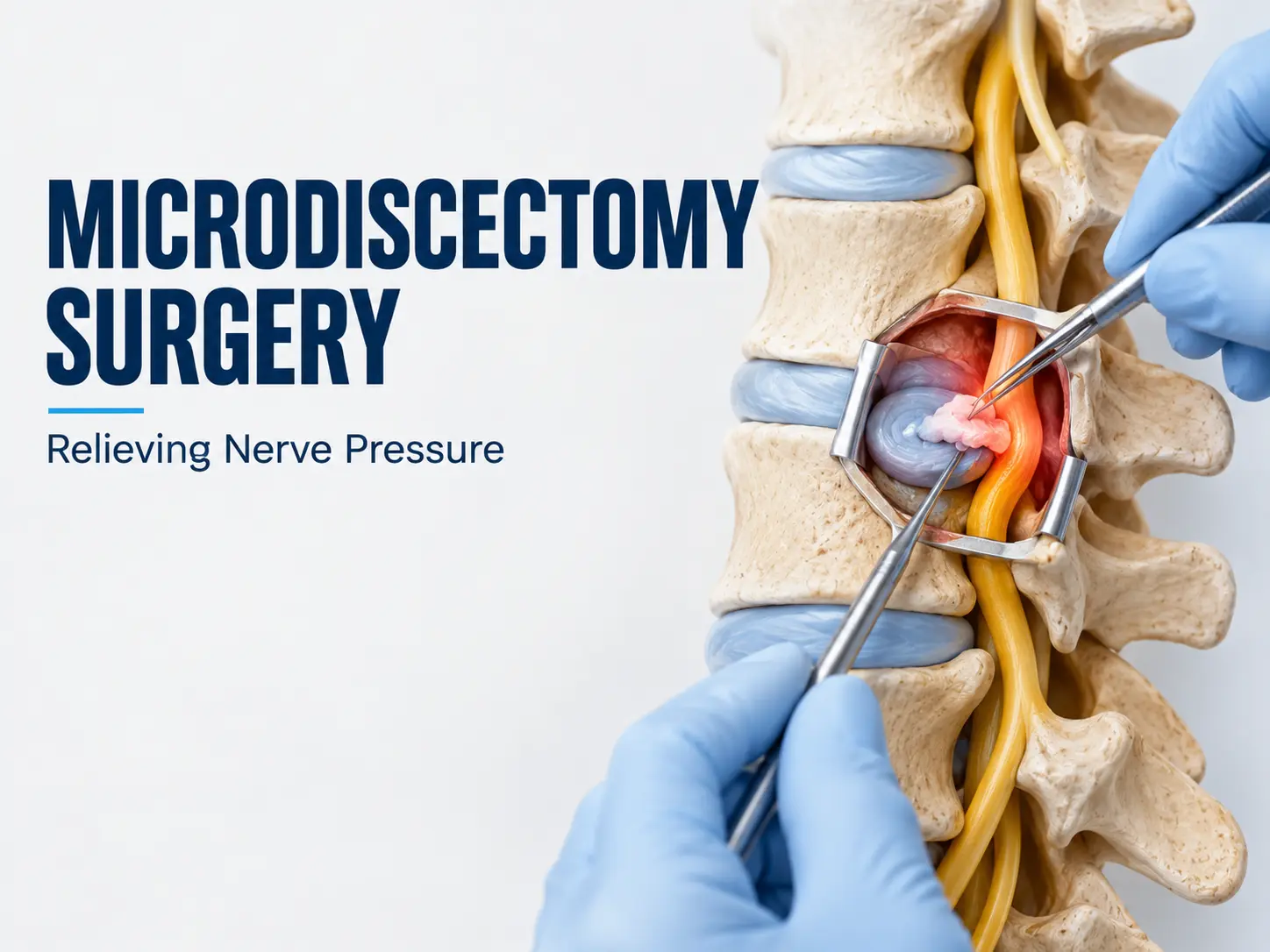
A spine specialist may consider surgery when:
- Pain remains severe or disabling despite appropriate non-surgical treatment.
- Symptoms significantly limit daily activities and do not improve sufficiently.
- There is persistent or progressive muscle weakness linked to nerve compression.
- Examination and imaging findings indicate a problem that is likely to benefit from an operation.
The decision should take account of symptoms, neurological findings, imaging and the person’s overall health and preferences.
Warning signs that need urgent medical attention
Seek emergency medical care if you develop:
- New difficulty controlling your bladder or bowel
- Inability to pass urine or new loss of bladder control
- Numbness around the groin, genitals or inner thighs
- Rapidly worsening weakness in an arm or leg
- Severe or rapidly progressing neurological symptoms
These may indicate serious nerve compression that requires urgent assessment. Do not delay care to try home remedies or exercises.
Frequently Asked Questions
1. What is the best treatment for a slipped disc without surgery?
There is no single best treatment for everyone. Depending on the condition, care may include activity modification, suitable medication, physiotherapy and individually selected exercises. Persistent or worsening symptoms should be assessed by a healthcare professional.
2. Can a slipped disc be cured without surgery?
Many people experience significant improvement without surgery. Some herniated disc material may be reabsorbed over time, and symptoms may settle. However, outcomes vary, and a disc may still appear abnormal on an MRI after symptoms improve.
3. Can walking help a slipped disc?
Gentle walking can help many people maintain movement and physical conditioning during recovery. Start at a comfortable level and increase gradually. If walking significantly worsens symptoms or causes new weakness, stop and seek medical advice.
4. Which exercises should be avoided with a slipped disc?
Exercises involving heavy loading, forceful twisting, repeated bending or movements that worsen radiating pain may need to be modified or temporarily avoided. The appropriate restrictions depend on the diagnosis and symptoms. A physiotherapist can help select safer alternatives.
5. Can an L4-L5 or L5-S1 disc bulge be treated without surgery?
Many L4-L5 and L5-S1 disc problems can be managed without surgery, depending on symptoms and clinical findings. Treatment may include activity modification, physiotherapy and medication when appropriate. Significant or progressive neurological symptoms require prompt assessment.
6. When should I see a spine specialist for a slipped disc?
Arrange an assessment if pain persists, radiates into an arm or leg, limits everyday activities or is associated with numbness or weakness. Seek emergency care for new bladder or bowel dysfunction, saddle-area numbness or rapidly progressing weakness.
Conclusion
Slipped disc treatment without surgery can be effective for many people. Appropriate activity, symptom management, physiotherapy and gradual rehabilitation may help reduce pain and restore function. The best approach depends on the affected spinal level, the severity of symptoms and whether nerves are involved.
Not every slipped disc needs an operation, but severe or progressive neurological symptoms should never be ignored. A clinical assessment can help identify the cause of your symptoms and determine whether conservative treatment, further investigation or surgery should be considered.
If you have persistent back or neck pain, pain travelling into an arm or leg, or symptoms that interfere with daily activities, consult a qualified spine specialist to discuss an appropriate treatment plan.