Lower Back Pain When Standing: Causes, Relief and When to See a Doctor
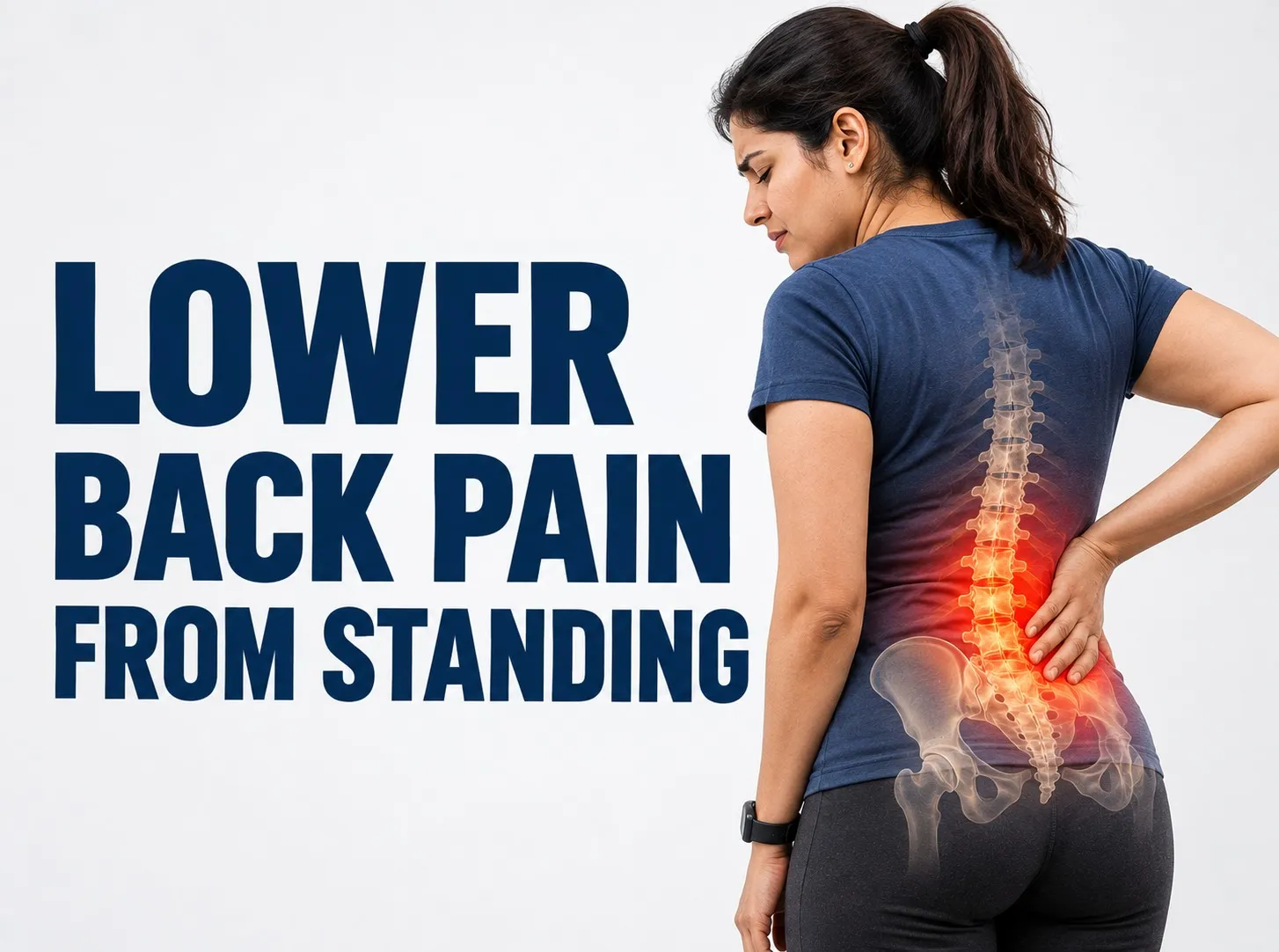
Lower back pain that starts or gets worse when you stand is common. Often it is linked to muscle fatigue, posture or long periods in one position. Sometimes it points to a problem in the spine, such as irritated joints or narrowing around the nerves. This article explains the usual causes, practical ways to ease the pain, clues that can help you describe your symptoms to a doctor, and the warning signs that need medical attention.
Why does my lower back hurt when I stand?
When you stand, the lower spine, its muscles and its joints carry much of your upper body’s weight. The muscles of the back, hips and core work continuously to hold you upright. If you stand still for a long time, those muscles can tire. If your posture, the shape of your spine or the joints and discs in your lower back are not working well, the load can also be felt as pain.
Common causes of lower back pain when standing
- Muscle fatigue from standing still: Long periods in one position, especially on hard floors, can leave the lower back muscles tired and tight. The pain often eases when you move or sit.
- Posture: Locking your knees, leaning back, or standing with the lower back arched can put extra load on the muscles and joints of the lower spine.
- Weak core and glute muscles, tight hip flexors: When the muscles that support the spine are weak or the hips are tight, the lower back may take more strain.
- Facet joint irritation: These small joints at the back of the spine can become irritated or worn. Standing and arching backward can aggravate them.
- Spinal stenosis: Narrowing of the space around the nerves in the lower spine. Pain, heaviness or tiredness in the legs often comes on with standing or walking and eases when you sit or lean forward. See spinal stenosis.
- Spondylolisthesis: A vertebra slips forward over the one below it. See spondylolisthesis.
- Disc wear or a slipped disc: Changes in the discs can cause pain in the back and sometimes in the leg. See slipped disc and sciatica.
- Footwear and flooring: Worn-out shoes, high heels and hard surfaces can change how you stand and how load travels through your body.
- Body weight and pregnancy: Extra weight at the front of the body can increase the arch in the lower back.
Why does my lower back hurt only when I stand up?
Pain that appears when you get up after sitting is often related to stiffness from staying in one position. It may ease after a few steps. If it happens every time, lasts longer, or comes with leg pain, numbness or weakness, it is worth having checked.
Can standing for 8 hours hurt your back?
It can contribute. Standing in one place for long periods, especially on hard floors, may tire the back muscles and lead to pain. Sitting for very long periods can strain the back too, so the usual advice is to change position often and keep moving through the day.
How to ease lower back pain from standing
- Shift your weight from one foot to the other every few minutes.
- Avoid locking your knees. A slight bend takes some load off the lower back.
- Use a low footrest or step. Resting one foot on it, and swapping feet, can reduce the arch in your lower back.
- Wear supportive, cushioned shoes and avoid high heels for long periods.
- Stand on a cushioned surface, such as an anti-fatigue mat, if you work on a hard floor.
- Take short breaks. Walk, sit briefly or stretch about every 30 minutes.
- Alternate sitting and standing if your workplace allows it.
- Use heat after standing if it feels helpful.
- Build strength and flexibility. Stretching the hips and hamstrings and strengthening the core and glutes are commonly advised. A physiotherapist can show you what suits your back. For general ideas, see back pain exercises at home.
If any of these makes the pain worse, stop and speak to a doctor or physiotherapist.
What might your pain pattern suggest?
These are clues, not a diagnosis.
- Eases when you move, sit or change position: often muscle fatigue, posture or stiffness.
- Worse when you arch backward, eases when you bend forward: may be linked to the facet joints or narrowing of the spinal canal.
- Comes on with standing or walking, with heaviness or tiredness in the legs, and eases when you sit or lean forward: may be linked to spinal stenosis.
- Sharp, burning or electric pain travelling down one leg, with tingling or numbness: may be linked to an irritated nerve, as in sciatica.
- Dull ache across the lower back after a long day: often muscular.
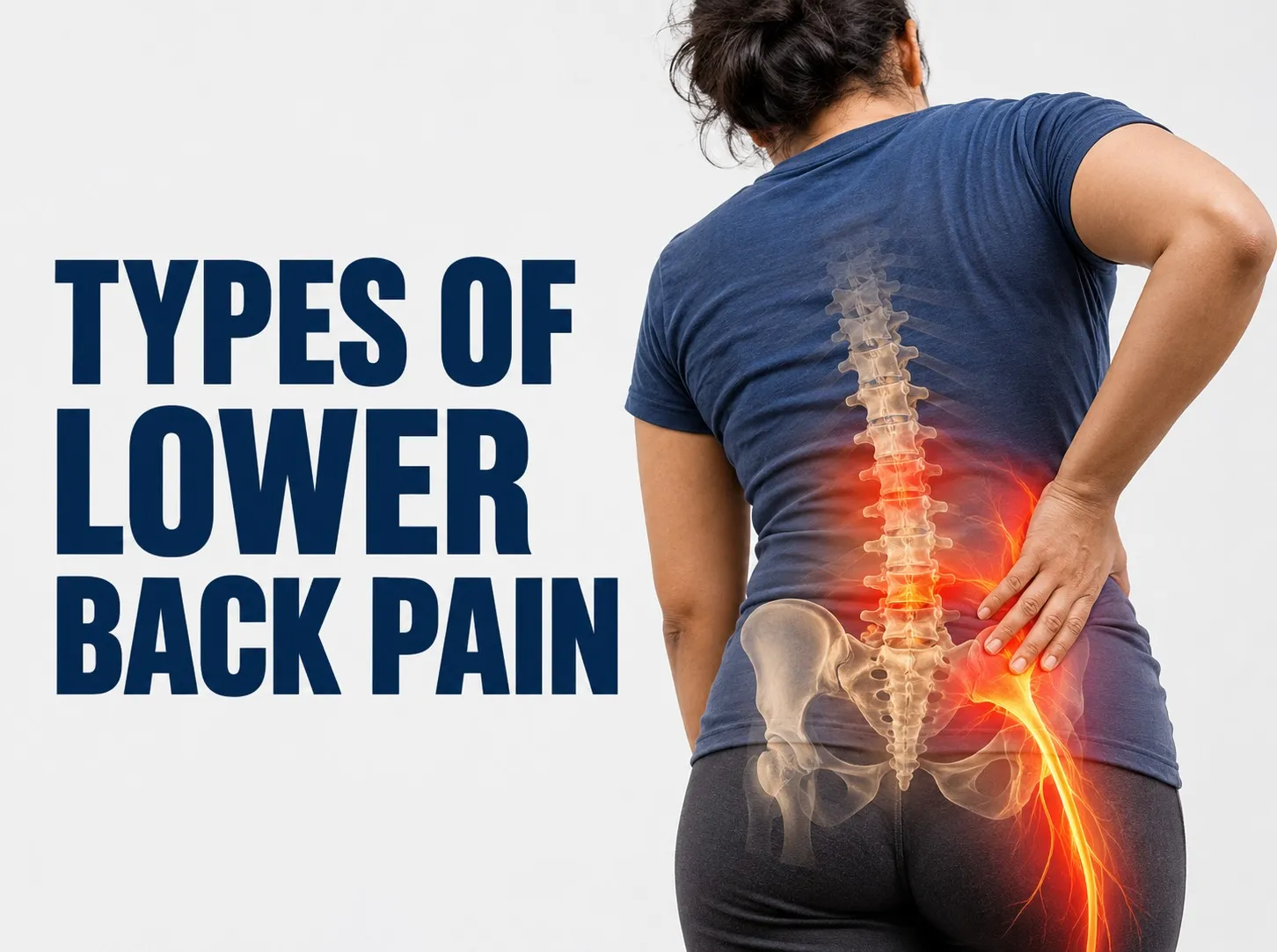
To see how back pain types differ, read types of lower back pain.
How to tell when lower back pain is serious
Seek medical advice promptly if your pain comes with any of the following:
- Difficulty controlling urine or stool, or numbness around the groin or inner thighs. This can be an emergency, so go to a hospital straight away.
- Weakness, numbness or tingling in one or both legs, especially if it is getting worse
- Pain after a fall, accident or injury
- Fever, chills or night sweats with back pain
- Unexplained weight loss, or a history of cancer
- Constant pain that is worse at night or does not ease with rest
- Pain that is not improving after a few weeks, or that limits how far you can walk or stand
Frequently asked questions
How to fix lower back pain from standing? There is no single fix, because the cause differs from person to person. Changing position often, avoiding locked knees, supportive footwear, short breaks and guided strengthening help many people. If the pain keeps returning or comes with leg symptoms, get it assessed.
Is standing or sitting better for back pain? Neither is better for everyone. Some conditions hurt more when standing and others when sitting. Changing position through the day and moving regularly is usually more helpful than staying in one position.
Do standing desks help? They may help some people by allowing more changes in position. Standing still for the whole day can cause its own pain, so alternate between sitting, standing and walking.
Can stress make the pain worse? Stress can increase muscle tension in some people. See can stress cause back pain.
Check your spine health
To understand which daily habits may affect your back, try the Spine Health Quiz. It is for information only and does not replace a medical examination. If you are in Mumbai and would like a consultation, you can use the appointment page.
Disclaimer: This article is for general information. It is not medical advice, a diagnosis or a substitute for treatment. Please speak to a qualified doctor about your symptoms.
-
 Lower Back Pain When Standing?
-
 Types of Lower Back Pain: Causes, Symptoms and When to See a Doctor
-
 Is Heat Good for Back Pain? When It Helps and How to Use It Safely
-
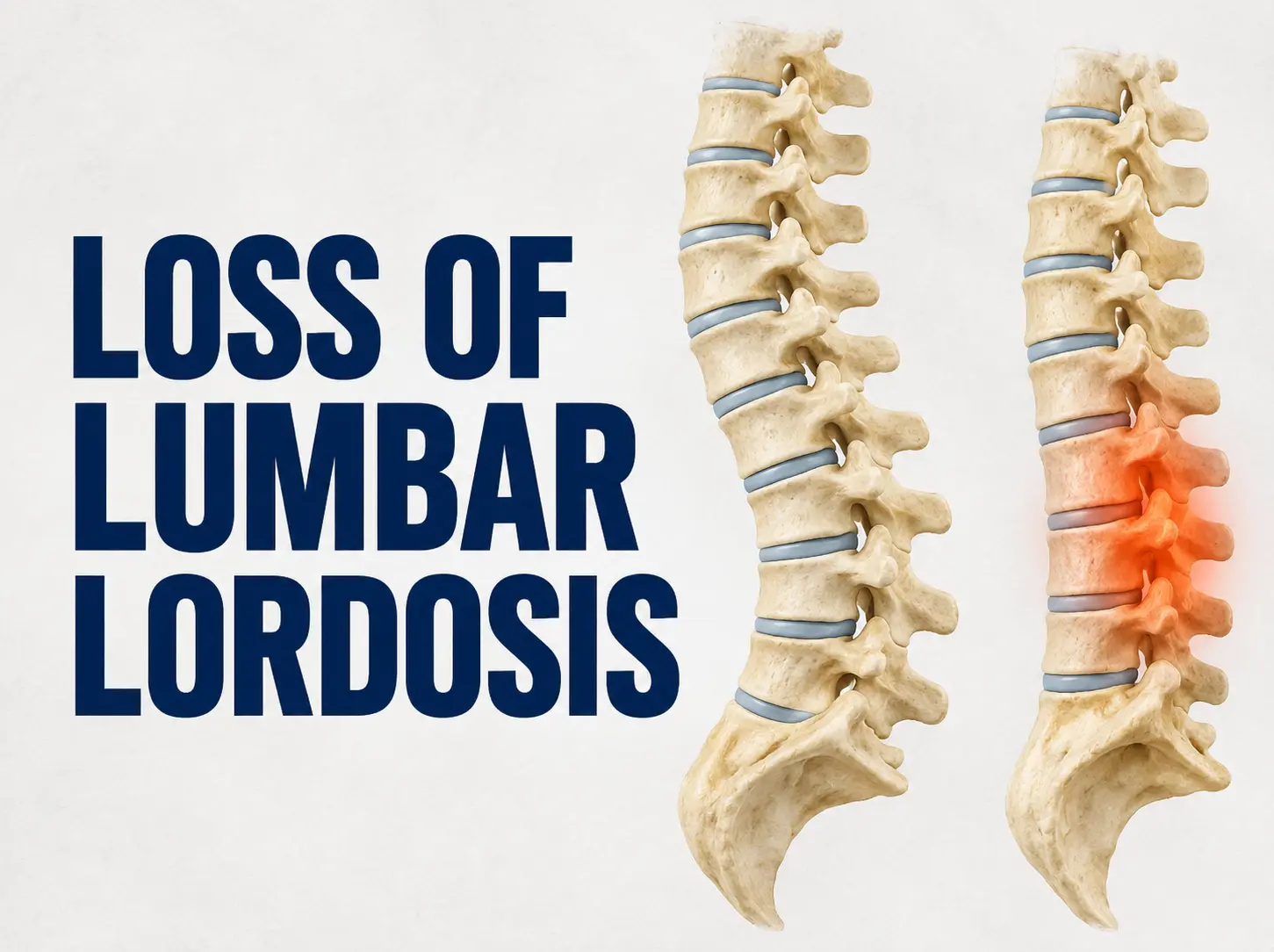
Loss of Lumbar Lordosis: Causes, Symptoms and Treatment
-
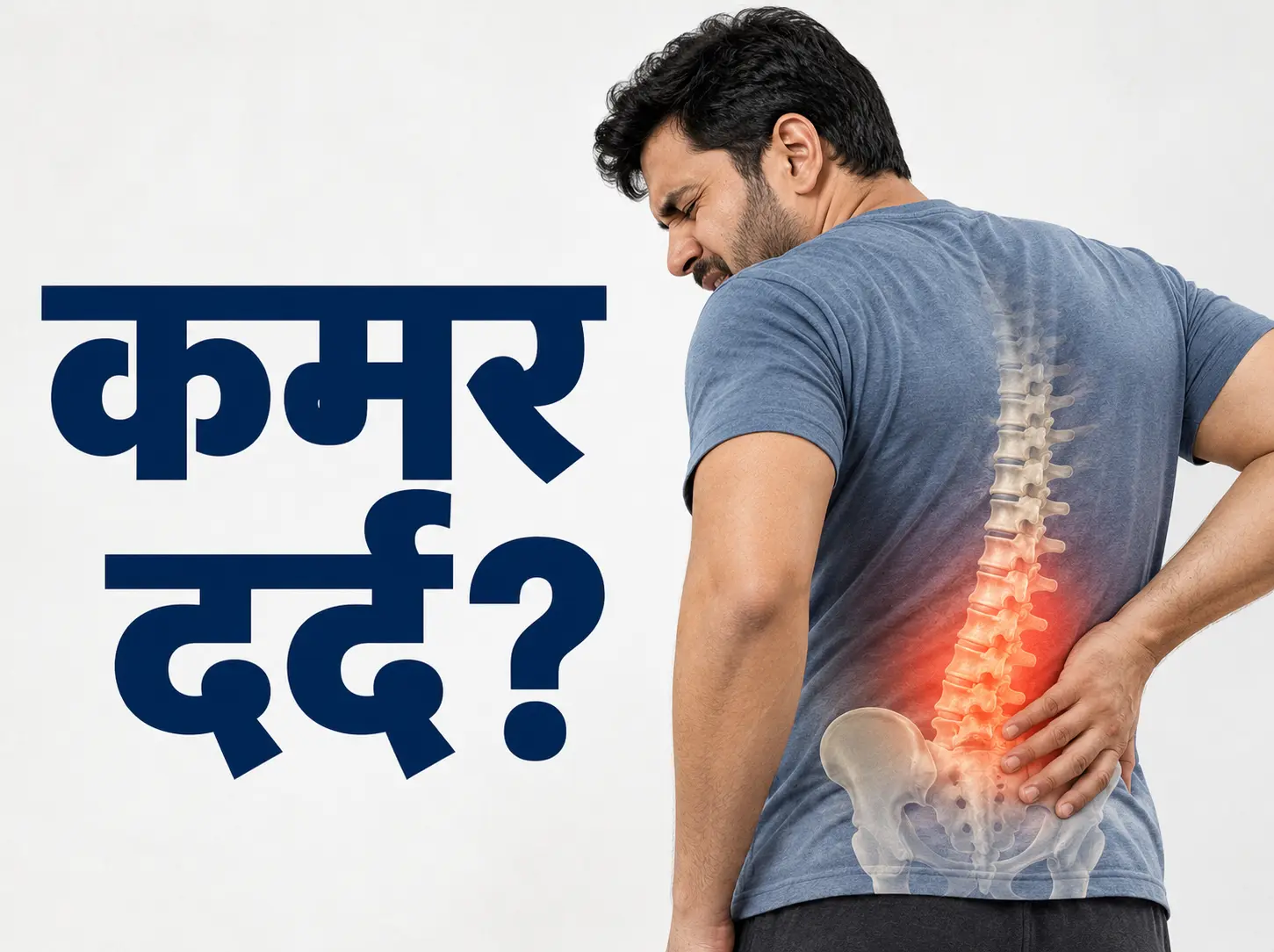
कमर दर्द: कारण, घरेलू उपाय और कब डॉक्टर को दिखाएं
-
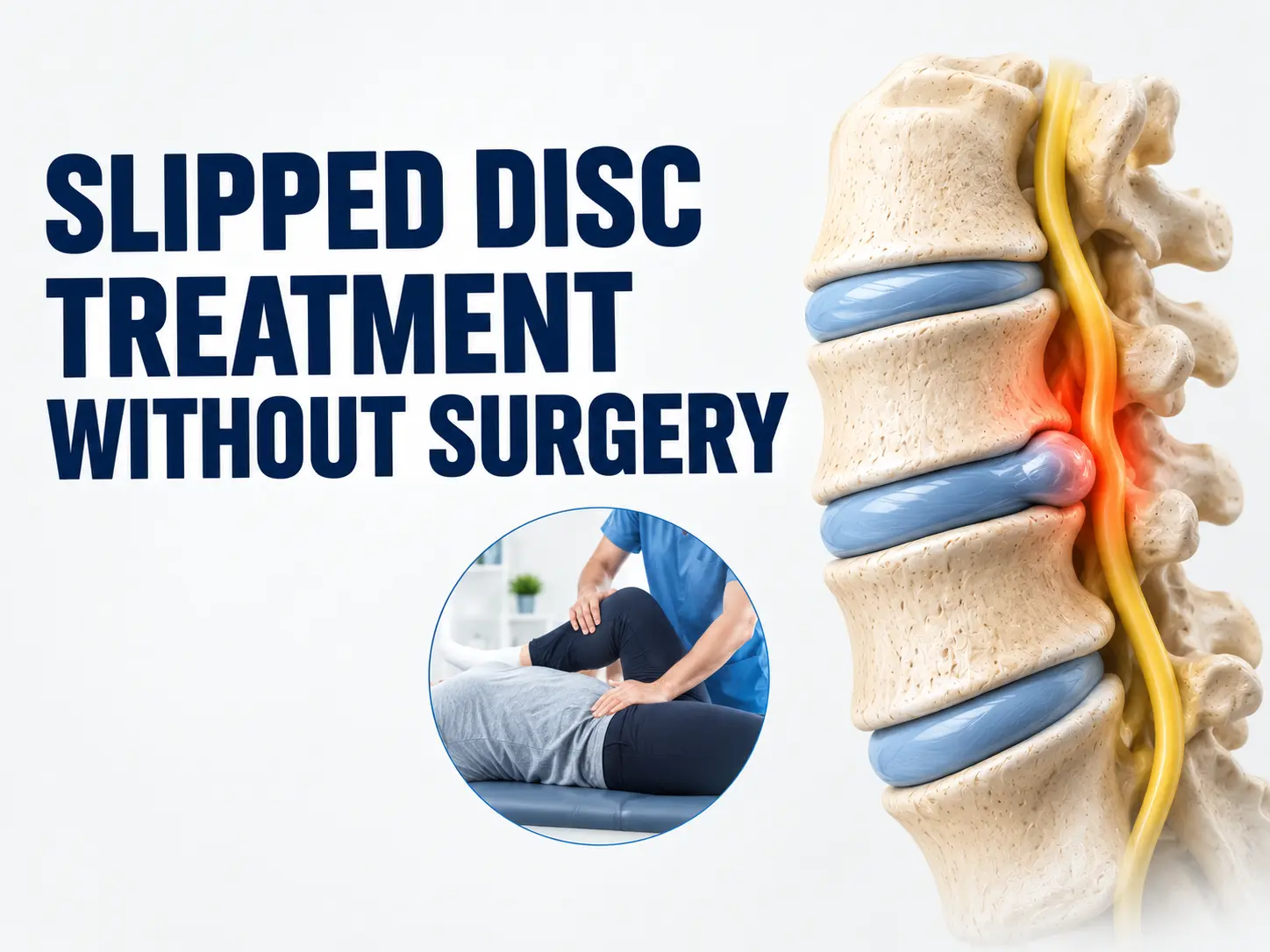
 Slipped disc treatment without surgery
-
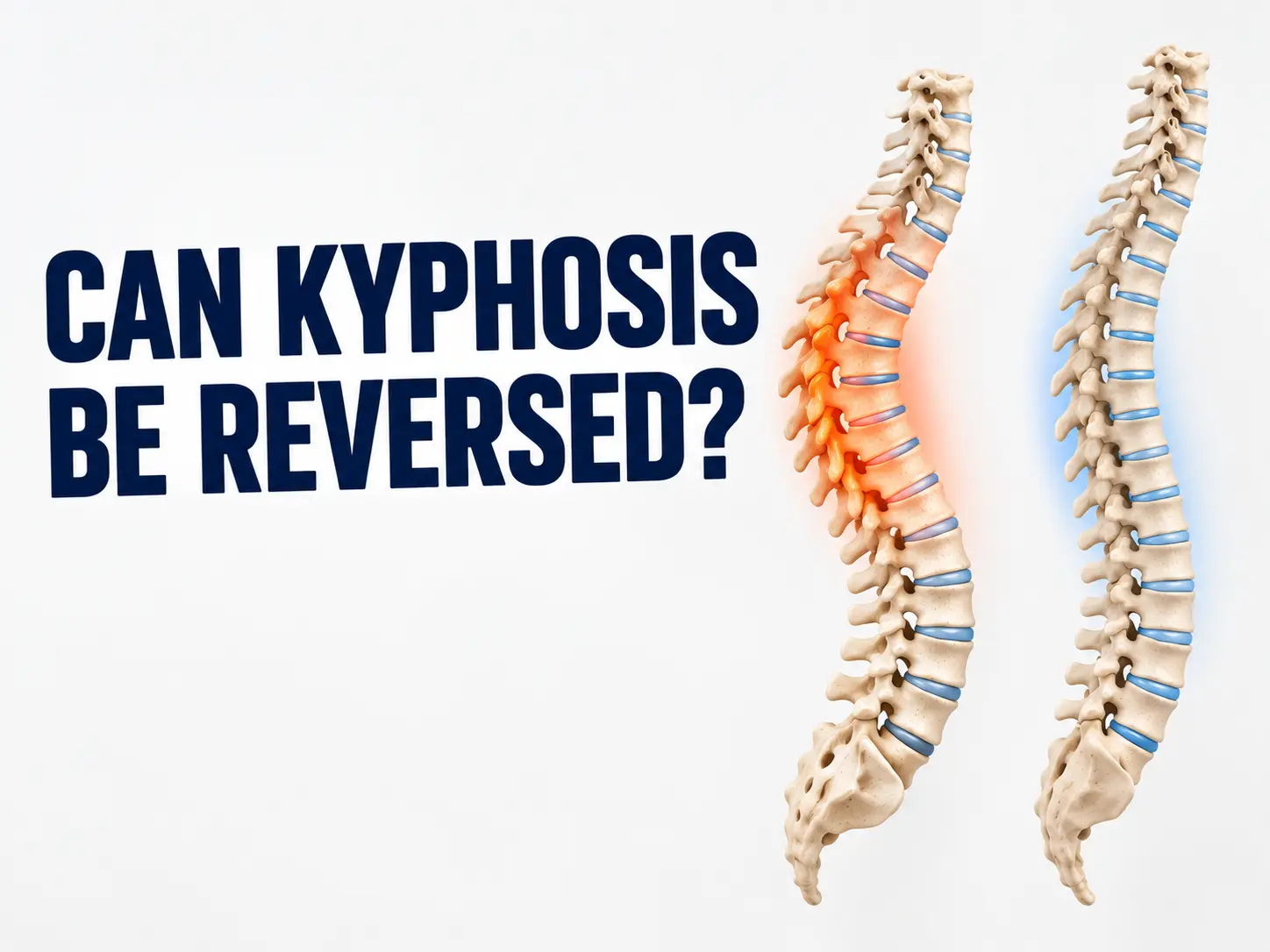
Can Kyphosis Be Reversed?



One Response