Can Kyphosis Be Reversed? Treatment, Exercises and Recovery
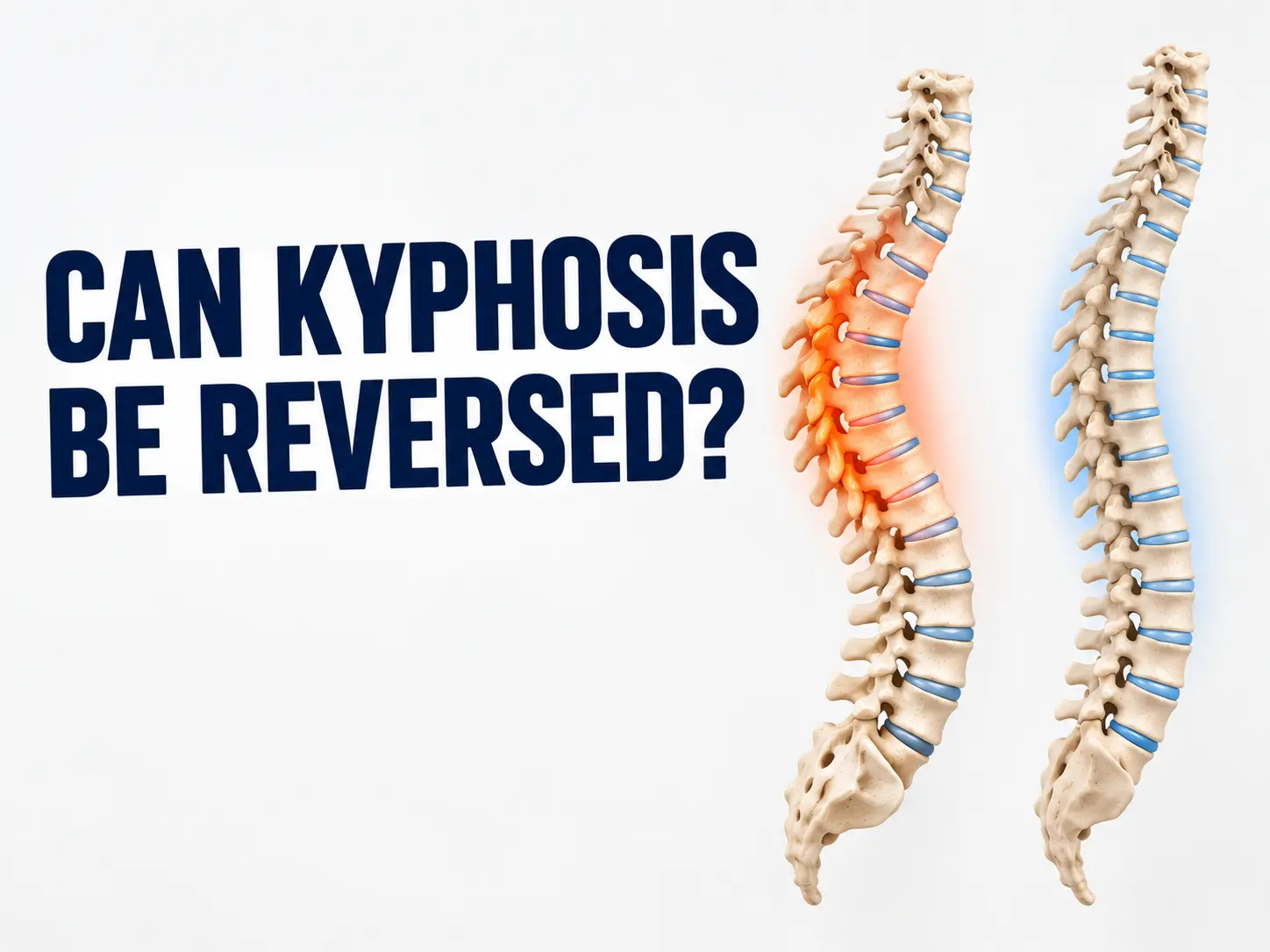
Can kyphosis be reversed? Yes, some types of kyphosis can improve significantly with appropriate treatment, but complete reversal is not possible in every case. The outcome depends on the cause of the spinal curvature, its severity, the person’s age, and whether the curve is flexible or caused by structural changes in the vertebrae.
Postural kyphosis may improve with posture correction, targeted exercises and physiotherapy. Structural kyphosis, including kyphosis caused by Scheuermann’s disease or vertebral fractures, may require more specialised treatment. Exercises can help improve strength, mobility and comfort, but they cannot necessarily straighten a structurally altered spine.
Understanding the type of kyphosis is the first step towards choosing the right treatment.
What Is Kyphosis?
Kyphosis is a spinal condition in which the upper back curves forward more than usual, creating a rounded or hunched appearance. The thoracic spine naturally curves outward, but an excessive curve may lead to visible postural changes, stiffness or back pain.
Kyphosis can develop during childhood or adolescence, or later in life due to age-related changes, osteoporosis, vertebral fractures or other spinal conditions.
Common signs and symptoms include:
- A rounded upper back or hunched posture
- Back stiffness or discomfort
- Shoulder positioning that appears forward
- Reduced spinal mobility
- Fatigue or discomfort after prolonged standing or sitting
More severe kyphosis can sometimes affect balance, daily activities or breathing. However, symptoms vary considerably, and not everyone with kyphosis experiences pain.
Can Kyphosis Be Reversed Naturally?
Kyphosis can sometimes improve without surgery, but the extent of improvement depends on its underlying cause.
For example, a flexible curve caused mainly by poor posture may respond well to postural training, strengthening exercises and changes in daily habits. These measures can help a person stand more upright and reduce discomfort.
However, a fixed curve caused by changes in the shape of the vertebrae is less likely to be fully corrected through natural methods alone.
It is important to distinguish between improving posture and reversing the structural curvature of the spine. A person may look and feel better after treatment even when some degree of spinal curvature remains.
Before beginning an exercise programme, a healthcare professional can help determine the type and severity of kyphosis and whether further assessment is needed.
What Types of Kyphosis Can Be Reversed?
The likelihood of improvement varies according to the type of kyphosis.
1. Postural Kyphosis
Postural kyphosis is commonly associated with habitual slouching and prolonged positions that encourage the upper back to round forward. The curve is generally flexible and may become less noticeable when a person consciously corrects their posture.
Can it be reversed?
Postural kyphosis often improves with a consistent programme that may include:
- Exercises to strengthen the upper back and shoulder muscles
- Stretching for tight chest muscles, when appropriate
- Posture awareness and ergonomic adjustments
- Physiotherapy to improve spinal mobility and muscular control
The amount of improvement depends on individual factors and consistency with treatment. Persistent symptoms or a curve that does not correct with posture should be assessed rather than automatically attributed to poor posture.
2. Scheuermann’s Kyphosis
Scheuermann’s kyphosis is a structural condition that often develops during adolescence. The vertebrae develop a wedge-shaped appearance, contributing to a more rigid curve.
Can it be reversed?
Exercises may improve muscle strength, flexibility and pain, but they generally cannot reverse the underlying shape of the vertebrae. Treatment depends on the severity of the curve, symptoms and whether the spine is still growing.
A spine specialist may recommend monitoring, physiotherapy or a brace in selected growing adolescents. Surgery may be considered for certain severe or progressive cases, but it is not necessary for everyone.
3. Age-Related Kyphosis
Kyphosis can develop or become more pronounced with age. Contributing factors may include reduced bone density, degenerative changes and compression fractures of the vertebrae.
Can it be reversed?
The approach depends on the cause. Strengthening exercises and appropriate physical activity may support posture, balance and function. If osteoporosis or a vertebral fracture is contributing to the curve, that condition needs medical evaluation and management.
Exercise alone cannot reliably reverse a fixed curve caused by vertebral damage. New or sudden back pain, particularly in an older adult or someone with osteoporosis, warrants medical assessment.
How Long Does It Take to Reverse Kyphosis?
There is no single timeline for reversing kyphosis. Recovery depends on the type of curve, its severity, the person’s age and the treatment being used.
For flexible postural kyphosis, improvements in posture, strength and comfort may develop over several weeks to months of consistent exercises and posture training. More substantial or persistent problems may take longer to address.
Structural kyphosis usually requires a different approach. Treatment may focus on controlling progression during growth, managing pain, improving function or addressing an underlying condition rather than completely reversing the curve.
Progress is best assessed through symptoms, physical examination and, when clinically indicated, imaging. Visible changes in posture alone do not necessarily mean that the spinal curvature has been structurally corrected.
Can Exercises Help Correct Kyphosis?
Exercises can play an important role in managing some forms of kyphosis. They may improve upper-back strength, shoulder mobility, spinal control and the ability to maintain a comfortable upright posture.
However, the right exercises depend on the cause and severity of the curvature. A routine suitable for someone with flexible postural kyphosis may not be appropriate for someone with a painful vertebral fracture or a significant structural deformity.
Exercises that a physiotherapist may consider, depending on the individual assessment, include the following.
1. Upper-Back Strengthening
Exercises that strengthen the muscles around the shoulder blades and upper back can help support an upright posture.
Examples may include controlled rowing movements or shoulder-blade squeezes. The movement should be comfortable and performed without forcing the spine into an extreme position.
2. Chest Stretching
Tight chest muscles can contribute to a forward-rounded shoulder position in some people.
A gentle chest stretch may help improve shoulder mobility. The stretch should not cause sharp pain, numbness or worsening back symptoms.
3. Thoracic Mobility Exercises
Some people benefit from gentle movements that improve upper-back mobility. A physiotherapist can select suitable exercises based on the flexibility of the curve and the person’s medical history.
Forceful spinal extension or twisting should not be attempted without guidance, particularly when osteoporosis, a vertebral fracture or a significant spinal deformity is suspected.
4. Posture Training
Posture training can help people recognise and adjust positions that increase upper-back rounding. This may involve practising a comfortable upright sitting and standing position, adjusting screen height and taking movement breaks during prolonged sitting.
The aim is not to maintain a rigid, exaggeratedly straight posture all day. It is to improve comfortable movement and reduce prolonged positions that aggravate symptoms.
Important: Stop an exercise if it causes sharp pain, new tingling, weakness or other unusual symptoms. Consult a qualified healthcare professional before starting a new routine if you have diagnosed kyphosis, osteoporosis or persistent back pain.
Does Kyphosis Get Worse With Age?
Kyphosis does not necessarily worsen with age in every person. Its progression depends on the underlying cause and other health factors.
Postural kyphosis may remain relatively stable or improve with appropriate treatment. Structural kyphosis may persist, and some cases can progress during growth or over time.
In older adults, osteoporosis and vertebral compression fractures can contribute to increasing spinal curvature. Degenerative changes may also affect spinal alignment.
To support spinal health as you age:
- Stay physically active within your abilities.
- Include suitable strength and balance exercises.
- Maintain adequate calcium and vitamin D intake as advised by a healthcare professional.
- Seek assessment for persistent or sudden back pain.
- Discuss osteoporosis screening if you have relevant risk factors.
These measures can support bone health and function, but they cannot guarantee that kyphosis will be prevented or reversed.
What Vitamin Deficiency Causes Kyphosis?
Vitamin D deficiency can contribute to poor bone mineralisation. In children, severe deficiency may cause rickets; in adults, it may cause osteomalacia. These conditions can affect bone strength and, in some circumstances, contribute to skeletal deformities.
However, vitamin D deficiency is not the cause of every case of kyphosis. Postural kyphosis, Scheuermann’s kyphosis, osteoporosis-related vertebral fractures and other spinal conditions have different underlying mechanisms.
Vitamin D supplementation may be appropriate when a deficiency is identified, but taking supplements without an established need will not automatically correct spinal curvature. A healthcare professional can advise whether testing or supplementation is appropriate.
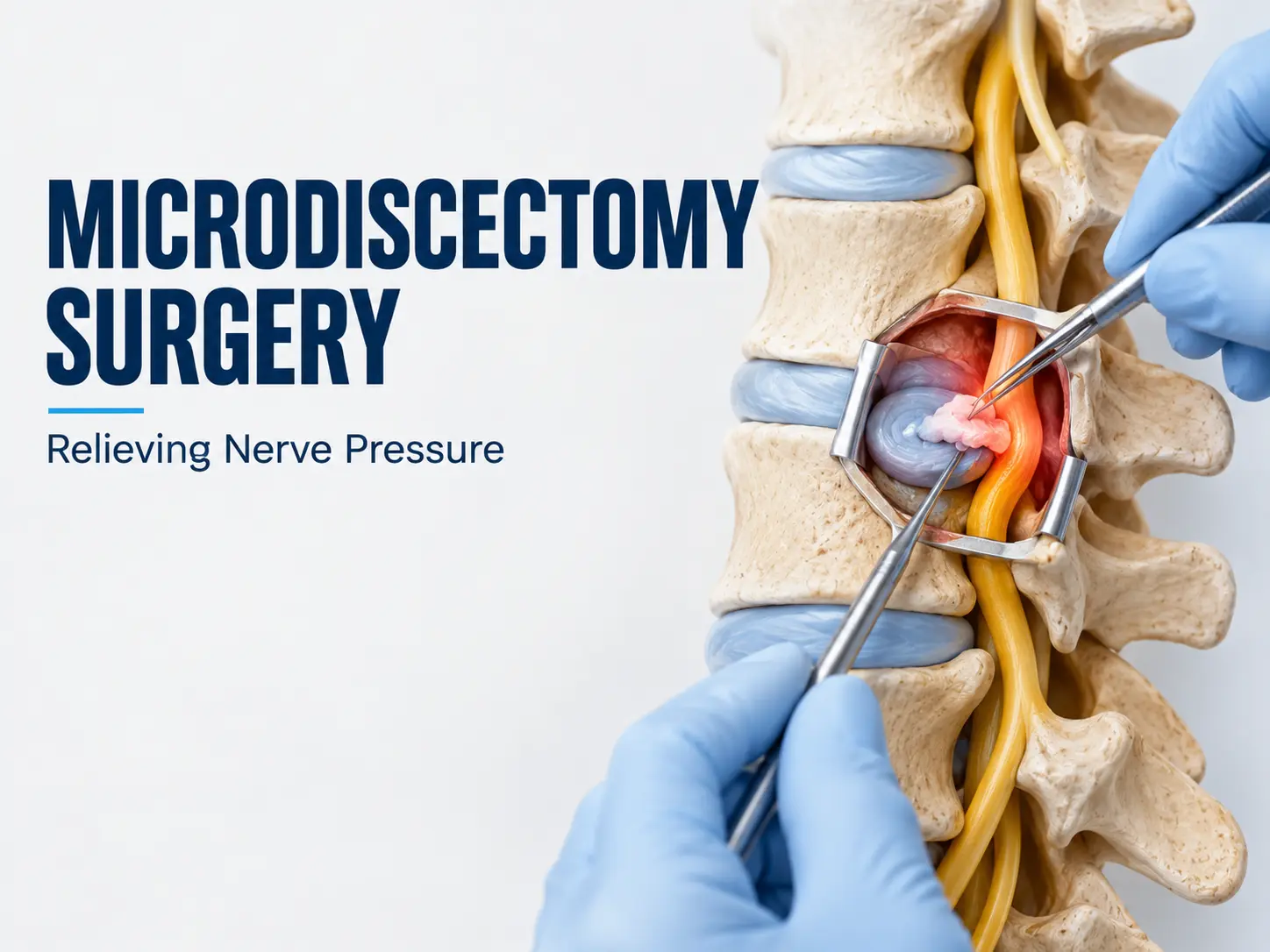
When Is Surgery Needed for Kyphosis?
Most people with kyphosis do not automatically need surgery. Treatment is based on the severity of the curve, its cause, whether it is progressing, the symptoms it causes and the person’s overall health.
A spine specialist may consider surgery in selected cases, such as when:
- The spinal curve is severe or continues to progress.
- Persistent pain significantly affects daily activities despite appropriate non-surgical treatment.
- The deformity causes substantial functional limitations.
- There are neurological problems related to spinal cord or nerve compression.
The specific procedure depends on the condition. Surgery has potential risks and requires careful evaluation, so the expected benefits must be weighed against the risks and recovery demands.
For many people, non-surgical management and regular follow-up are sufficient.
Frequently Asked Questions
1. Can kyphosis be reversed completely?
Some flexible postural curves can improve substantially with appropriate treatment. Structural kyphosis caused by changes in the vertebrae may not be fully reversible without more specialised intervention, and some curves cannot be completely corrected. The outcome depends on the underlying cause and severity.
2. Can kyphosis be corrected with exercise alone?
Exercise may improve posture, strength, flexibility and pain in selected cases, particularly postural kyphosis. It generally cannot change the shape of vertebrae affected by structural kyphosis. A suitable exercise programme should be based on an assessment.
3. Is kyphosis just bad posture?
No. Although postural kyphosis is associated with habitual slouching, kyphosis can also result from structural spinal conditions, vertebral fractures, osteoporosis and other medical causes. A persistent or rigid curve should not automatically be attributed to poor posture.
4. Can kyphosis get worse if left untreated?
Some types remain stable, while others can progress. The risk depends on the cause, the severity of the curve, age and whether the spine is still growing. Appropriate evaluation helps determine whether treatment or monitoring is needed.
5. Can adults reverse kyphosis?
Adults may improve posture, strength, mobility and symptoms with appropriate treatment. However, a fixed structural curve may not be completely reversible, especially when vertebral changes or fractures are involved. Treatment goals should be based on the individual’s condition.
6. Is walking good for kyphosis?
Walking can support general fitness, mobility and overall health. However, walking alone is unlikely to correct a structural spinal curve. People with kyphosis should choose physical activities according to their comfort, balance, bone health and healthcare professional’s advice.
7. Should I wear a brace for kyphosis?
Bracing may be recommended in selected cases, particularly for some adolescents whose spines are still growing. It is not appropriate or necessary for everyone with kyphosis. A specialist should determine whether a brace is suitable and explain how it should be used.
Conclusion
Can kyphosis be reversed? In some cases, yes—but the extent of correction depends on the type of kyphosis and the changes affecting the spine. Postural kyphosis may improve with posture training, appropriate exercises and physiotherapy, while structural kyphosis may require monitoring or more specialised treatment.
The most useful first step is to identify the cause of the curvature rather than relying on exercises or posture correction alone. An individual assessment can help establish realistic treatment goals and determine whether the focus should be on improving posture, reducing pain, preventing progression or correcting a more severe deformity.


One Response