
What Should Be Avoided in Cervical Spondylosis? 10 Things to Know
If you have cervical spondylosis, knowing what to avoid can help you manage neck discomfort and reduce unnecessary strain during daily activities. Prolonged downward neck bending, sudden or forceful neck movements, poor workstation posture, and exercises that worsen your symptoms are some things to be careful about.
Cervical spondylosis is age-related wear and tear affecting the discs, joints, and other structures in the neck. It is common, particularly with increasing age, and does not always cause symptoms. You do not need to stop all physical activity if you have this condition. Instead, the goal is to identify movements that aggravate your symptoms, maintain comfortable movement, and follow appropriate medical advice.
What Should Be Avoided in Cervical Spondylosis?
People with cervical spondylosis should generally avoid or modify activities that cause significant neck pain, increase arm symptoms, or place unnecessary strain on the neck.
Common things to be careful about include:
- Holding your head bent forward for long periods.
- Sitting in the same position without regular breaks.
- Making sudden or forceful neck movements.
- Cracking or forcefully manipulating your neck.
- Continuing exercises that worsen pain, tingling, or numbness.
- Lifting heavy objects with poor technique or excessive neck strain.
- Using a pillow that leaves your neck uncomfortable.
- Looking down at a phone for prolonged periods.
- Ignoring persistent or worsening symptoms.
- Taking medication or using neck treatments without appropriate guidance.
These are general precautions, not a list of activities that every person with cervical spondylosis must permanently avoid. Your symptoms, examination findings, and any associated nerve or spinal cord problems influence what is safe for you.
1. Avoid Prolonged Downward Bending of the Neck
Looking down at a phone, reading with your head bent forward, or working on a laptop placed too low can leave your neck in a sustained position for long periods.
This posture may aggravate neck discomfort and muscle fatigue in some people. However, ordinary neck bending does not automatically damage your cervical spine.
What to do instead:
- Raise your phone closer to eye level when practical.
- Position your laptop or monitor so you can look ahead comfortably.
- Support your arms when reading or using a device.
- Change position regularly instead of holding your neck still for long periods.
The objective is not to maintain a rigidly straight neck all day. It is to avoid prolonged, uncomfortable positions and allow regular movement.
2. Avoid Sitting in One Position for Too Long
Long periods of sitting can contribute to stiffness and discomfort, especially when your workstation encourages you to lean forward.
You do not need to maintain perfect posture every minute. Comfortable posture variation and movement breaks are often more practical than trying to hold one position throughout the day.
If you work at a desk, adjust your chair and screen so your head and neck can remain comfortable. Take short movement breaks at regular intervals, and change positions when you begin to feel stiff.
If neck pain continues despite these adjustments, consider getting an assessment rather than assuming that posture is the only cause.
3. Avoid Sudden or Forceful Neck Movements
Rapidly twisting your neck, forcing it to its end range, or repeatedly stretching through pain may aggravate symptoms.
This does not mean that all neck rotation or stretching is harmful. Gentle, controlled movements may be appropriate for many people with cervical spondylosis, depending on their symptoms and clinical assessment.
Avoid forcing a movement to achieve a greater range than feels comfortable. Stop an exercise if it causes increasing pain, pain travelling into your arm, tingling, numbness, or weakness.
If your neck movement is significantly restricted or your symptoms are worsening, seek professional guidance before starting a new exercise routine.
4. Avoid Forceful Neck Cracking and Manipulation
Some people crack their necks to relieve stiffness. However, repeatedly forcing the neck to crack or attempting forceful neck manipulation without a proper assessment is not advisable, particularly when you have known cervical spine problems.
Forceful neck manipulation has been associated with rare but serious complications, including injury to blood vessels in the neck. Cervical spondylosis alone does not establish your individual risk, but it is a reason to discuss your condition and symptoms with a qualified healthcare professional before considering neck manipulation.
Do not force your neck through a painful movement simply to produce a cracking sound. If you regularly feel the need to crack your neck because of pain or stiffness, have the underlying problem assessed.
5. Avoid Exercises That Worsen Your Symptoms
Exercise can be part of cervical spondylosis management, but not every exercise is appropriate for every person.
Be cautious with:
- Forceful neck circles or repeated end-range rotations.
- Stretches that require pushing the head firmly with your hands.
- Exercises that reproduce or increase radiating arm pain.
- Movements that trigger tingling, numbness, or weakness.
- Heavy resistance exercises that cause you to strain or hold your neck awkwardly.
These examples are not universally prohibited exercises. The important consideration is how the movement affects your symptoms and whether it is suitable for your condition.
A physiotherapist or treating clinician can recommend exercises based on your neck mobility, strength, symptoms, and examination findings.
For more guidance, read our article on cervical spondylosis exercises. Do not continue an exercise that repeatedly worsens your symptoms simply because it is described as beneficial online.
6. Avoid Lifting Heavy Objects With Poor Technique
Lifting heavy objects can place additional demands on the neck and upper back, especially if you shrug your shoulders, strain, or hold your head in an uncomfortable position.
Cervical spondylosis does not automatically mean you must stop going to the gym or avoid all lifting. The appropriate amount of resistance depends on your symptoms, physical capacity, and any nerve-related problems.
To reduce unnecessary strain:
- Keep objects close to your body when lifting.
- Avoid sudden jerking movements.
- Choose a manageable load and increase it gradually when appropriate.
- Stop if lifting produces neck pain that worsens or symptoms travelling into an arm.
- Ask your clinician about modifying strength training if you have persistent symptoms.
If you have been diagnosed with spinal cord compression or have weakness or coordination problems, obtain individual medical guidance before continuing demanding exercise.
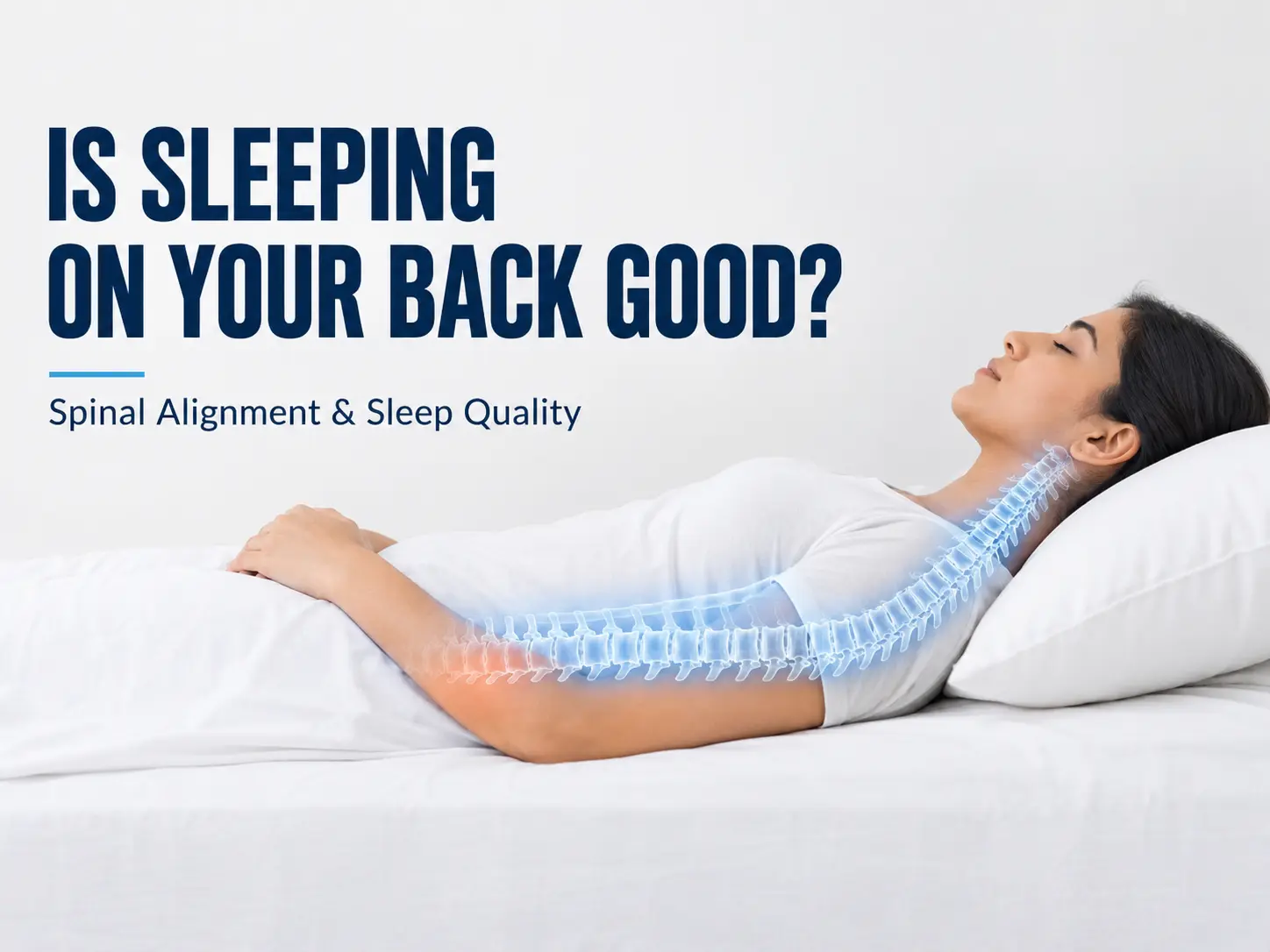
7. Avoid Sleeping in a Position That Increases Neck Pain
Your sleeping position and pillow can influence neck comfort. A pillow that is too high or too low may leave your neck in an uncomfortable position overnight.
There is no single pillow or sleeping position that is best for everyone with cervical spondylosis. Back and side sleeping may both be comfortable options when the head and neck are adequately supported.
Consider these practical adjustments:
- Choose a pillow height that keeps your head and neck comfortable.
- When sleeping on your side, avoid letting your head tilt sharply toward or away from the mattress.
- When sleeping on your back, choose head support that does not push your chin excessively toward your chest.
- If a position consistently increases your pain, try a comfortable alternative.
Sleeping without a pillow is not automatically better for cervical spondylosis. What matters is whether your head and neck are comfortably supported.
If you have persistent night pain or regularly wake with worsening symptoms, discuss this with a healthcare professional.
8. Avoid Prolonged Phone Use With Your Head Bent Forward
Looking down at a smartphone for long periods often combines sustained neck bending with limited movement. This can contribute to discomfort for some people.
You do not have to stop using your phone. Instead, adjust how you use it.
Hold your phone higher when practical, support your arms, take breaks, and alternate between sitting and standing when appropriate. If you spend hours on your phone for work, short, frequent breaks may be easier to maintain than one long break at the end of the day.
If symptoms continue, review your overall daily routine rather than blaming a single device or posture.
9. Avoid Ignoring Persistent or Worsening Symptoms
Neck pain and stiffness can occur with cervical spondylosis, but symptoms affecting the arms, hands, balance, or coordination may need further assessment.
Speak to a healthcare professional if you experience:
- Persistent or recurrent neck pain that affects daily activities.
- Pain travelling from the neck into the shoulder or arm.
- Recurrent tingling or numbness in the hands or arms.
- New difficulty with hand coordination or everyday tasks.
- Symptoms that progressively worsen rather than settle.
Seek urgent medical assessment for new or rapidly worsening limb weakness, difficulty walking or maintaining balance, or new loss of bladder or bowel control. These symptoms may indicate significant nerve or spinal cord involvement and should not be managed through activity avoidance alone.
Learn more about the early signs of cervical spondylosis and the symptoms of cervical spondylosis.
10. Avoid Self-Medicating or Trying Unverified Treatments
Painkillers, topical products, neck supports, and other treatments may not be suitable for everyone. Some medicines can cause side effects or interact with existing medications and health conditions.
Do not start, increase, or combine pain medicines without appropriate advice from a qualified healthcare professional, particularly if you have other medical conditions or take regular medication.
Be cautious of treatments promising to reverse age-related spinal changes or permanently cure cervical spondylosis. Treatment generally focuses on managing symptoms, maintaining function, and addressing any nerve compression or other complications when present.
If your symptoms are not improving, seek an assessment to discuss appropriate treatment options. You can also read about cervical spondylosis treatment.
What Foods Should You Avoid With Cervical Spondylosis?
There is no specific food that everyone with cervical spondylosis needs to eliminate. Cervical spondylosis involves structural changes in the cervical spine, and avoiding a particular food has not been established as a way to reverse those changes.
Instead of following restrictive diets or relying on supplements that promise to repair spinal discs, focus on a balanced eating pattern that supports overall health.
Depending on your individual needs, this may include vegetables, fruit, whole grains, adequate protein, and sources of calcium and vitamin D. People with diagnosed deficiencies or specific nutritional needs should seek personalised advice.
Maintaining a healthy weight may also help reduce the overall physical demands of daily movement, although weight management alone does not treat cervical spondylosis.
What Can You Do Instead of Avoiding Everything?
The aim of managing cervical spondylosis is not to stop moving. Excessive restrictions can make daily life unnecessarily difficult and may reduce physical activity.
Consider these general strategies:
- Keep moving comfortably: Change positions regularly and continue daily activities as tolerated.
- Adjust your workstation: Position your screen and chair to reduce prolonged, uncomfortable neck postures.
- Choose suitable exercise: Follow an exercise programme appropriate to your symptoms and physical capacity.
- Improve sleep comfort: Adjust your pillow and sleeping position to reduce discomfort.
- Seek appropriate treatment: Get assessed if symptoms persist, recur, or interfere with daily life.
The right approach depends on whether your symptoms are related mainly to neck discomfort or involve nerve or spinal cord compression. If you have significant symptoms or an established neurological problem, follow the guidance of your treating clinician.
For additional information, see our guide to yoga for cervical spondylosis. Modify or stop poses that aggravate your symptoms, and seek professional advice before starting if you have significant pain or neurological symptoms.
Frequently Asked Questions
1. What is the worst exercise for cervical spondylosis?
There is no single exercise that is universally the worst for everyone with cervical spondylosis. Forceful neck movements, stretches through pain, or exercises that worsen arm pain, tingling, numbness, or weakness should be stopped and assessed. A suitable exercise programme depends on the individual’s symptoms and examination.
2. Is walking good for cervical spondylosis?
Walking is generally a reasonable activity for many people with cervical spondylosis if it does not worsen their symptoms. Start at a comfortable pace, maintain a relaxed posture, and increase activity gradually as tolerated. Seek medical advice if walking brings on new neurological symptoms or significant discomfort.
3. Is sleeping without a pillow good for cervical spondylosis?
Not necessarily. Some people need a pillow to support their head and neck comfortably. The appropriate pillow height depends on body shape, sleeping position, and mattress comfort. Choose support that does not leave your neck strained or tilted uncomfortably.
4. Can I go to the gym if I have cervical spondylosis?
Many people with cervical spondylosis can remain physically active, including doing modified gym workouts. The appropriate exercises and loads depend on symptoms, strength, and whether nerve or spinal cord compression is present. Avoid movements that worsen symptoms and ask a qualified clinician about modifications when needed.
5. What makes cervical spondylosis worse?
Prolonged uncomfortable postures, reduced movement, and activities that aggravate an individual’s symptoms may contribute to discomfort. However, symptoms do not always reflect the degree of structural change in the cervical spine. Persistent or worsening symptoms deserve clinical assessment.
6. Can cervical spondylosis be cured permanently?
Age-related changes in the cervical spine cannot generally be reversed through posture changes or exercise alone. However, symptoms can often be managed, and many people continue their usual activities with appropriate care. Treatment depends on the person’s symptoms, examination findings, and whether nerves or the spinal cord are affected.
7. When should I consult a spine specialist?
Consider consulting a spine specialist if neck pain persists, repeatedly returns, travels into the arm, or interferes with work, sleep, or everyday activities. New or worsening weakness, walking difficulties, coordination problems, or bladder or bowel changes require prompt medical attention.
Conclusion
Knowing what should be avoided in cervical spondylosis can help you make sensible adjustments to your daily routine. Prolonged uncomfortable neck positions, forceful neck manipulation, and exercises that aggravate symptoms are worth reconsidering. However, you do not need to avoid all movement, exercise, or lifting simply because you have cervical spondylosis.
Focus on comfortable movement, appropriate exercise, suitable neck support during sleep, and medical guidance when symptoms persist or worsen. If you develop signs of nerve or spinal cord involvement, do not rely on home adjustments alone.
If neck pain or related symptoms are affecting your daily life, consult a qualified spine specialist to understand the cause and discuss appropriate care.



One Response