Microdiscectomy Surgery: Procedure, Risks, Recovery and Results
Microdiscectomy surgery is a procedure used to remove the portion of a herniated spinal disc that is pressing on a nearby nerve. It is most commonly performed in the lower back to relieve nerve-related symptoms such as sciatica, leg pain, tingling or numbness. The procedure aims to reduce pressure on the affected nerve while preserving as much of the healthy disc and surrounding structures as possible.
Microdiscectomy may be recommended when symptoms persist despite appropriate non-surgical treatment, or when the clinical findings indicate that surgery may be beneficial. However, not every herniated disc requires an operation. The decision depends on the symptoms, physical examination, imaging findings and the patient’s overall health.
Understanding how microdiscectomy surgery works, its potential benefits, risks and recovery process can help patients have an informed discussion with a spine specialist.
What Is Microdiscectomy Surgery?
The spine consists of vertebrae separated by intervertebral discs. These discs help absorb forces and allow the spine to move. Each disc has a softer inner portion surrounded by a tougher outer layer.
A disc herniation occurs when disc material moves beyond its usual boundary. If this material compresses or irritates a nearby spinal nerve, it may cause pain that travels from the lower back into the buttock or leg.
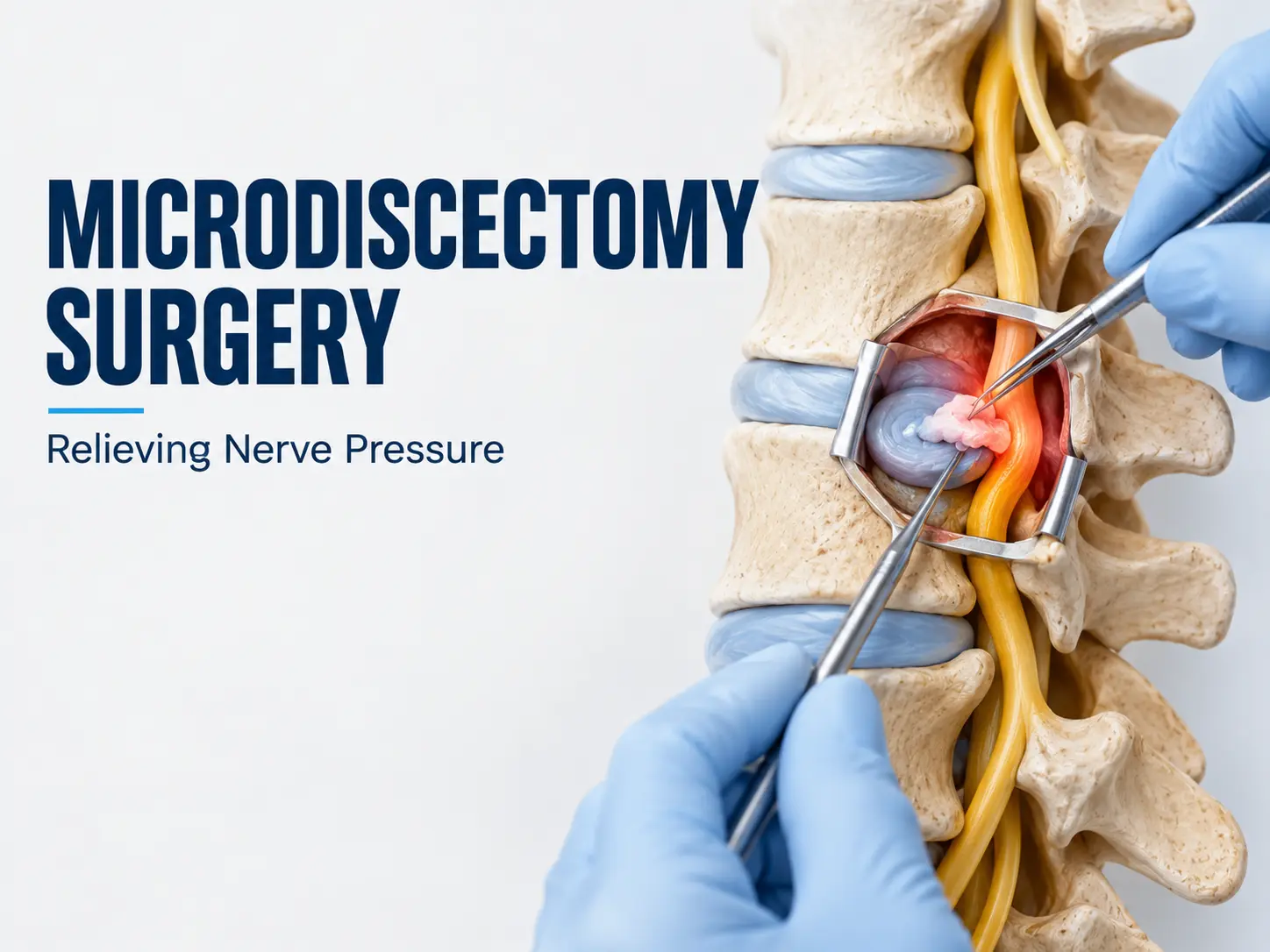
Microdiscectomy is a surgical procedure that removes the herniated disc material responsible for nerve compression. The surgeon uses specialised instruments and magnification to access the affected area through an incision.
The procedure is commonly performed in the lumbar spine, particularly when a herniated disc is causing persistent sciatica or other nerve-related symptoms.
The main goal is to relieve pressure on the affected nerve. While leg pain caused by nerve compression may improve after surgery, improvement in lower back pain can vary depending on its underlying cause.
When Is Microdiscectomy Surgery Recommended?
Microdiscectomy is not usually the first treatment for every case of a herniated disc. Many patients improve with non-surgical care, depending on the severity and nature of their symptoms.
A spine specialist may consider microdiscectomy in situations such as:
- Persistent leg pain: Pain travelling from the lower back into the buttock or leg continues despite appropriate treatment.
- Nerve-related symptoms: Tingling, numbness or other symptoms are consistent with compression of a spinal nerve.
- Functional limitations: Pain makes walking, sleeping, working or performing daily activities difficult.
- Clinical and imaging findings agree: Examination and MRI findings identify a disc herniation that plausibly explains the symptoms.
- Progressive neurological problems: Worsening muscle weakness may require prompt specialist assessment and, in some cases, surgical treatment.
New bladder or bowel control problems, numbness around the groin or saddle area, or rapidly worsening leg weakness require urgent medical assessment. These symptoms can indicate serious nerve compression and should not be managed by waiting for a routine appointment.
The final decision about surgery should be made after discussing the expected benefits, limitations, alternatives and risks with the treating surgeon.
Which Conditions Can Microdiscectomy Treat?
Microdiscectomy is primarily used for selected cases of disc herniation that compress a spinal nerve. It is not a universal treatment for all causes of back pain.
Lumbar Disc Herniation
A lumbar disc herniation occurs when disc material in the lower back protrudes beyond its normal boundary. Depending on its location, the herniation may irritate or compress a nerve root.
Some herniations cause only local back pain, while others cause pain or altered sensation that travels into the leg. A disc herniation visible on an MRI does not automatically mean surgery is necessary.
Microdiscectomy may be considered when the disc herniation matches the patient’s symptoms and other clinical findings, and surgery is likely to provide meaningful benefit.
Sciatica and Nerve Root Compression
Sciatica describes pain that travels along the path of the sciatic nerve, often from the buttock into one leg. It may be accompanied by tingling, numbness or weakness.
A herniated lumbar disc is one possible cause of sciatica. When a disc compresses a nerve root and symptoms remain severe or persistent, microdiscectomy may be an appropriate option for selected patients.
However, sciatica can have other causes. Correctly identifying the source of symptoms is important before considering surgery.
L4-L5 and L5-S1 Disc Herniation
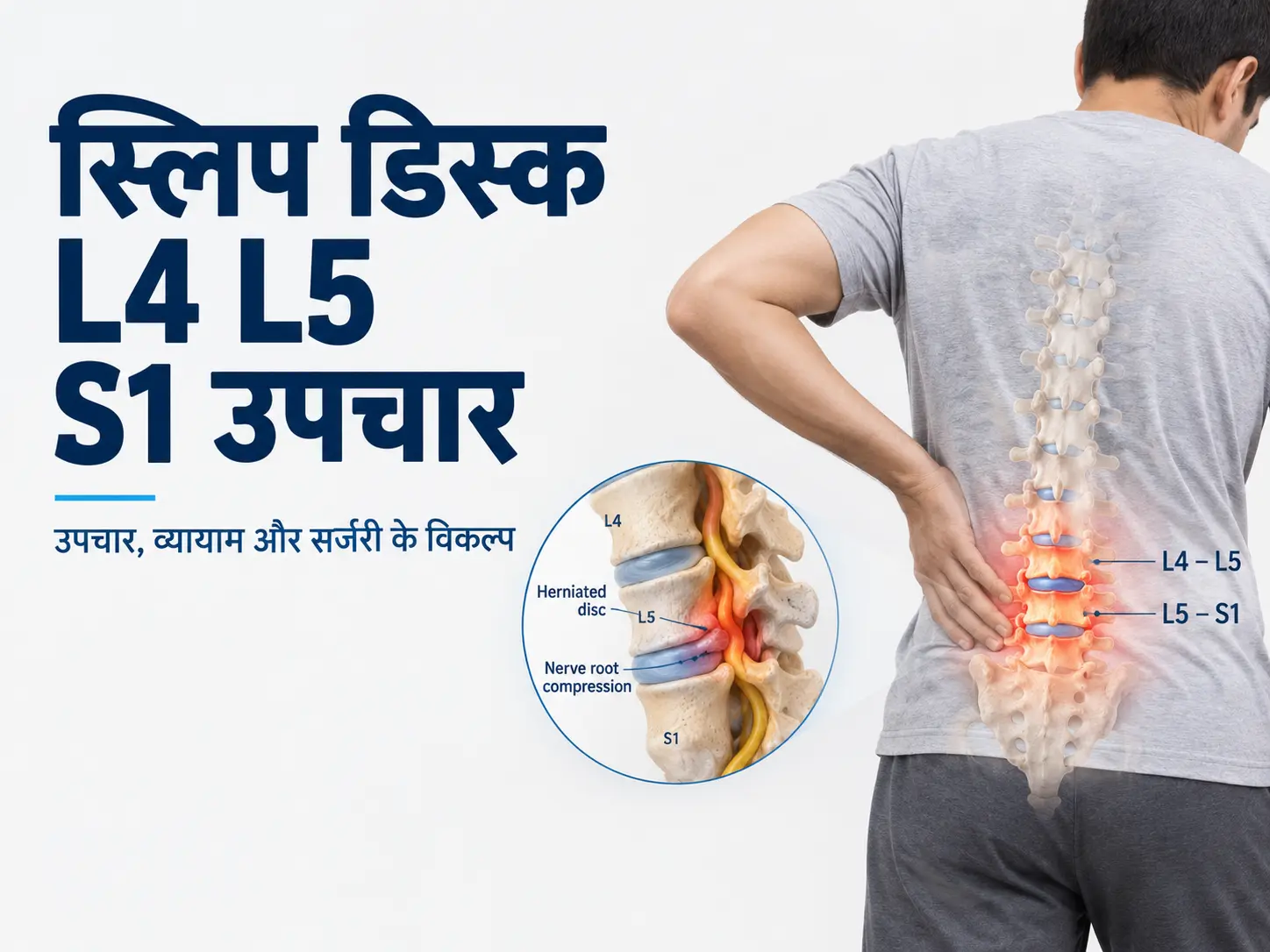
The L4-L5 and L5-S1 levels are common locations for lumbar disc herniation.
At L4-L5, a herniation may affect nearby nerve roots and cause pain, tingling or weakness in parts of the leg. At L5-S1, nerve compression can also produce symptoms that extend into the buttock, leg or foot.
The exact symptoms depend on the location of the herniation and the nerve involved. The affected level alone does not determine whether microdiscectomy is necessary.
How Is Microdiscectomy Surgery Performed?
Microdiscectomy is performed in an operating theatre, usually under general anaesthesia. The precise technique depends on the affected spinal level, the location of the herniated disc and the surgeon’s assessment.
1. Preparation Before Surgery
Before surgery, the surgeon reviews the patient’s medical history, symptoms, physical examination and imaging studies. MRI is commonly used to identify the disc herniation and assess whether it corresponds with the affected nerve.
Patients may receive instructions about fasting, medication adjustments and other preoperative preparations. It is important to tell the medical team about all medications, supplements, allergies and existing health conditions.
2. Accessing the Affected Disc
The surgeon makes an incision over the relevant part of the spine. Using specialised instruments and magnification, the surgeon carefully accesses the area around the affected nerve.
The approach is planned to reach the herniated disc while limiting unnecessary disruption to surrounding tissues.
3. Removing the Herniated Disc Material
The surgeon identifies the affected nerve and removes the portion of disc material that is compressing it. The aim is to relieve pressure while preserving as much healthy disc tissue as possible.
The surgeon then checks the area and closes the incision.
4. Recovery After the Procedure
After surgery, the medical team monitors the patient as the effects of anaesthesia wear off. Depending on the individual circumstances and local practice, patients may be discharged the same day or may stay in hospital overnight.
The team provides instructions on wound care, movement, medication, activity restrictions and follow-up appointments.
Microdiscectomy vs. Other Disc Treatments
Different treatments address different aspects of lumbar disc herniation. The most suitable option depends on the patient’s symptoms, examination findings, imaging and response to earlier treatment.
Microdiscectomy vs. Non-Surgical Treatment
Non-surgical treatment may include maintaining tolerable daily activity, physiotherapy, appropriate medication and other measures recommended by a clinician.
Many patients improve without surgery, so conservative treatment is often considered first when there are no urgent neurological concerns.
Microdiscectomy may be considered when symptoms remain disabling despite suitable non-surgical care, or when clinical circumstances make surgery more appropriate. Surgery may provide faster relief of nerve-related leg pain in selected patients, but individual outcomes vary.
Microdiscectomy vs. Endoscopic Discectomy
Microdiscectomy and endoscopic discectomy are both used to remove herniated disc material in selected patients.
Traditional microdiscectomy generally uses surgical magnification and specialised instruments through an incision. Endoscopic discectomy uses an endoscope and a camera to visualise the operative area through a smaller access route.
Both procedures aim to decompress the affected nerve. Neither approach is automatically the best choice for every patient. Suitability depends on the disc herniation, anatomy, clinical circumstances and the surgeon’s experience with the relevant technique.
A consultation can help clarify which approach, if any, is appropriate.
Does Microdiscectomy Require Spinal Fusion?
Microdiscectomy alone generally does not require spinal fusion. Its primary purpose is to remove the herniated disc material pressing on the nerve.
Spinal fusion is a different procedure used in selected conditions where stabilising the spine is considered necessary. It is not routinely required for an uncomplicated lumbar disc herniation treated with microdiscectomy.
If another spinal condition is present, the surgeon may discuss different treatment options. The need for any additional procedure depends on the individual diagnosis.
What Are the Risks and Possible Complications?
Microdiscectomy is commonly performed, but like all operations, it carries potential risks. The surgeon should explain the risks relevant to the patient’s health and the planned procedure.
Possible complications include:
- Infection: An infection may develop at the surgical wound or, less commonly, in deeper tissues.
- Bleeding: Some bleeding occurs during surgery, and significant bleeding is a possible complication.
- Dural tear or cerebrospinal fluid leak: The thin membrane surrounding the spinal nerves may be damaged during the procedure.
- Nerve injury: The affected nerve or nearby neural structures can be injured, potentially causing altered sensation, weakness or other symptoms.
- Persistent symptoms: Pain, numbness or weakness may not completely resolve, particularly when nerve irritation or damage has been present for some time.
- Recurrent disc herniation: Disc material may herniate again, potentially causing symptoms to return.
- Anaesthesia-related complications: General anaesthesia carries risks that depend on the patient’s health and other factors.
The likelihood and significance of these complications vary. A surgeon can discuss individual risk factors and explain what steps are taken to reduce risk.
Patients should seek prompt medical advice after surgery if they develop fever, increasing wound redness or drainage, worsening pain, or new neurological symptoms. New bladder or bowel dysfunction, saddle-area numbness or rapidly worsening weakness requires emergency assessment.
Recovery After Microdiscectomy Surgery
Recovery varies according to the patient’s symptoms before surgery, the exact procedure, general health, job demands and any complications. The surgeon’s postoperative instructions should guide the pace of recovery.
The First Few Days After Surgery
Some patients notice improvement in their leg pain soon after surgery, while others experience gradual improvement. Temporary soreness around the incision is possible.
During the early recovery period, patients are generally encouraged to move as advised by the medical team. Walking short distances may be recommended, with activity increased gradually according to comfort and the surgeon’s guidance.
Follow instructions regarding wound care, medication and follow-up. Do not drive while affected by anaesthesia or medicines that impair alertness, and follow the surgeon’s advice about when driving can safely resume.
Returning to Work and Daily Activities
The time needed to return to work depends on the nature of the job and the patient’s recovery.
People with desk-based jobs may return earlier than those whose work involves heavy lifting, repeated bending or strenuous physical activity. The treating surgeon should advise when it is safe to resume work and whether temporary adjustments are needed.
Avoid assuming that the same recovery schedule applies to everyone. Follow-up assessments help guide the return to normal activities.
When Can You Exercise or Lift Weights?
Walking is often introduced early, as advised by the care team. More demanding exercise, lifting weights and activities involving repeated bending or twisting may need to be restricted for a period.
The appropriate timeline depends on the operation and individual recovery. Follow the surgeon’s instructions before returning to gym workouts, sports or heavy manual work.
A rehabilitation plan may be recommended to help restore movement, strength and confidence with daily activities.
Can Pain Continue After Surgery?
Some soreness around the incision is expected after an operation. Nerve-related symptoms may take longer to improve, particularly if the nerve was significantly irritated or compressed before surgery.
Microdiscectomy is intended to relieve pressure on a nerve, but it cannot guarantee that all back pain, numbness or weakness will disappear.
Contact the treating team if symptoms worsen, new symptoms develop or recovery is not progressing as expected.
How Successful Is Microdiscectomy Surgery?
Microdiscectomy can provide meaningful relief for appropriately selected patients, particularly when leg pain is caused by a herniated disc compressing a spinal nerve.
However, success depends on several factors, including the accuracy of the diagnosis, the type and duration of symptoms, the extent of nerve involvement and the patient’s overall health.
Relief From Leg Pain and Nerve Symptoms
When the main problem is nerve compression from a disc herniation, relieving that pressure may reduce radiating leg pain.
Improvement in numbness or weakness can be less predictable and may take longer. If the nerve has sustained significant damage, some symptoms may persist.
The expected outcome should be discussed with the surgeon before the operation.
Can a Herniated Disc Return After Surgery?
Yes. Recurrent disc herniation can occur after microdiscectomy. The risk varies with individual circumstances and the definition used to classify recurrence.
New leg pain after an initial period of improvement does not always mean the disc has herniated again. Other causes may need to be considered, so a clinical review is important.
What Affects Long-Term Outcomes?
Long-term outcomes can be influenced by:
- The cause and severity of the original symptoms.
- The duration and degree of nerve compression.
- Whether the examination and imaging findings agree.
- The presence of other spinal or medical conditions.
- Recovery, rehabilitation and the gradual return to activity.
- Whether symptoms recur or another condition develops.
No operation can guarantee a particular result. A careful assessment helps patients understand the likely benefits, limitations and alternatives in their individual case.
Frequently Asked Questions About Microdiscectomy Surgery
Is microdiscectomy a major surgery?
Microdiscectomy is a recognised spinal operation that is less extensive than some procedures involving spinal reconstruction or fusion. Nevertheless, it is still surgery performed near important neural structures and carries risks. Its complexity depends on the patient’s anatomy, diagnosis and individual circumstances.
Can you live a normal life after microdiscectomy?
Many patients return to their usual daily activities after recovery. The outcome depends on the underlying condition, nerve involvement, general health and rehabilitation. Some patients continue to experience pain or neurological symptoms, and recurrence is possible.
How long does recovery from microdiscectomy take?
Recovery varies. Some patients resume light activities relatively soon, while returning to physically demanding work, strenuous exercise or sport may take longer. Your surgeon will provide guidance based on the procedure and your progress.
How long after microdiscectomy can I go back to work?
There is no single timeline for everyone. Return to work depends on symptom improvement, the physical demands of the job and the surgeon’s advice. Desk-based work may be resumed earlier than jobs involving heavy lifting or repetitive bending.
Can a microdiscectomy be repeated?
A repeat procedure may be considered in selected cases, such as a recurrent disc herniation causing significant symptoms. The decision depends on the cause of the returning symptoms, examination findings, imaging and the potential benefits and risks of further surgery.
Is microdiscectomy better than endoscopic discectomy?
Neither procedure is universally better. Both aim to remove disc material that is compressing a nerve, but they use different surgical approaches. The appropriate technique depends on the location and type of herniation, the patient’s circumstances and the surgeon’s expertise.
Does microdiscectomy cure sciatica permanently?
Microdiscectomy can relieve sciatica caused by a herniated disc pressing on a nerve, but permanent relief cannot be guaranteed. Symptoms can persist for several reasons, and a disc may herniate again. The expected benefits and possibility of recurrence should be discussed before surgery.



One Response