

Is Sleeping on Your Back Good? Benefits, Risks and Tips
Is sleeping on your back good for your spine? For many adults, yes. Sleeping on your back can help distribute body weight across the mattress and support a comfortable, neutral spinal position. However, it is not the best sleeping position for everyone. Your comfort, pillow support, mattress, and existing health conditions all influence whether back sleeping works for you.
If you wake up with lower back pain, neck stiffness, or discomfort that changes with your sleeping position, a few adjustments may help. Placing a pillow under your knees and using a pillow that supports your head and neck comfortably can make sleeping easier for some people.
Is Sleeping on Your Back Good for Your Spine?
Sleeping on your back can be a comfortable option for people who want to support their spine while resting. In this position, your head, torso, and pelvis can rest in a relatively neutral alignment when your mattress and pillows provide suitable support.
However, sleeping on your back does not automatically prevent back pain or correct a spinal condition. Some people feel better sleeping on their sides, while others experience more discomfort when lying flat.
The goal is to find a sleeping position that allows you to rest comfortably without increasing your symptoms. If you consistently wake up with pain, consider whether your pillow, mattress, sleeping posture, or an underlying health problem may be contributing.
Benefits of Sleeping on Your Back
Back sleeping has several potential advantages, although the benefits vary from person to person.
1. It May Support a Neutral Spinal Position
When you lie on your back with appropriate head and knee support, your spine can rest in a comfortable position without excessive twisting. This may help some people who experience discomfort from sleeping in awkward or rotated positions.
Your natural spinal curves do not need to be forced flat. Instead, aim for a relaxed position that does not increase pain.
2. It Distributes Body Weight Across the Mattress
Lying on your back allows your body weight to be spread across a relatively broad surface. This may reduce pressure at certain points compared with positions that concentrate more weight on one shoulder or hip.
The actual effect depends on your body shape, mattress firmness, and how comfortably you can maintain the position throughout the night.
3. It May Help Some People With Neck Discomfort
Back sleeping may be comfortable for some people with neck discomfort when the pillow supports the head without pushing it too far forward or allowing it to fall backward.
A pillow that is too high or too low can place the neck in an uncomfortable position. If you regularly wake up with neck pain, check your pillow height and consider whether your symptoms need professional assessment.
4. It Makes Knee Support Easy to Adjust
One practical advantage of back sleeping is that you can place a pillow beneath your knees. This adjustment may reduce tension in the lower back for some people.
You do not need a special pillow to try this. A regular pillow that keeps your knees slightly bent and feels comfortable may be sufficient.
Can Sleeping on Your Back Cause Back Pain?
Yes, some people experience back pain when sleeping on their backs. The position itself is not necessarily harmful, but it may not suit everyone’s body or symptoms.
Possible reasons include:
- Insufficient support: Your mattress may not feel comfortable or provide suitable support for your body.
- Pillow problems: A pillow that is too high or too low may strain your neck.
- Prolonged discomfort in one position: Staying still for long periods may make some people feel stiff when they wake up.
- An existing back condition: Some people with particular spinal or hip problems find lying flat uncomfortable.
- Sleep-related factors: Poor sleep quality, stress, and repeated waking can affect how you experience pain.
If lying on your back increases your symptoms, do not force yourself to remain in that position. Try a comfortable side-sleeping position or adjust your support. Persistent pain, pain travelling down a leg, or associated numbness deserves medical evaluation.
How to Sleep on Your Back Correctly
If you want to try sleeping on your back, a few simple adjustments may improve comfort.
1. Place a Pillow Under Your Knees
Lie on your back and place a pillow under both knees. Keeping the knees slightly bent may reduce strain on the lower back for some people.
Adjust the pillow’s thickness until the position feels natural. If the pillow increases pain or creates pressure, remove it or try a different height.
2. Choose a Pillow That Supports Your Neck
Your head should rest comfortably without being pushed too far forward or allowed to tilt excessively backward.
A pillow’s ideal height depends on your body shape, head position, and mattress. There is no single pillow type that suits everyone. If you wake up with neck stiffness, try adjusting the height and firmness.
3. Check Your Mattress Comfort
A mattress should feel comfortable and provide support without creating painful pressure points. A mattress that feels excessively soft or hard to you may make it difficult to find a comfortable position.
There is no universally perfect mattress firmness for every person with back pain. Before buying a new mattress, consider whether changing your pillow, knee support, or sleeping position improves your comfort.
4. Let Your Body Relax Naturally
Avoid trying to flatten your lower back forcefully against the mattress. Your spine has natural curves, and the aim is to find a relaxed position rather than hold your body rigidly.
You can keep your arms comfortably by your sides or rest them in another position that does not strain your shoulders.
5. Change Positions if You Become Uncomfortable
You do not have to remain on your back throughout the night. If you feel uncomfortable, changing to your side is reasonable.
A comfortable sleeping position that allows you to get adequate rest is generally more useful than forcing yourself into a position that increases pain.
Is Sleeping on Your Back Good for Lower Back Pain?
Sleeping on your back may help some people with lower back pain, particularly when placing a pillow under the knees makes the position more comfortable. However, the response varies according to the cause of the pain.
For example, some people with muscle-related back discomfort may find a supported position helpful. Others with certain spinal conditions may feel worse lying flat and prefer to sleep on their sides with a pillow between their knees.
If you have lower back pain, you can try the following:
- Place a pillow under your knees while lying on your back.
- Avoid remaining in bed for long periods during the day unless a healthcare professional has advised otherwise.
- Continue gentle daily movement as tolerated.
- Avoid stretches or exercises that clearly increase your symptoms.
- Seek medical advice if pain persists, keeps returning, affects sleep regularly, or travels down your leg.
Back pain has many possible causes, so sleeping alone may not address the underlying problem. A healthcare professional can help determine whether further examination or treatment is appropriate.
Back Sleeping vs Side Sleeping: Which Is Better?
Neither position is best for everyone. Your symptoms, sleep quality, and medical circumstances should guide your choice.
Factor | Sleeping on your back | Sleeping on your side |
Spinal comfort | May feel comfortable with suitable head and knee support | May feel comfortable with a pillow between the knees |
Lower back pain | Knee support may help some people | A pillow between the knees may help some people |
Neck comfort | Depends on appropriate pillow height | Depends on head and neck support |
Snoring and sleep apnoea | May worsen symptoms in some people | Side sleeping may help reduce symptoms for some people |
Pregnancy | Follow advice from your maternity professional, especially later in pregnancy | Often recommended later in pregnancy; follow individual clinical guidance |
Overall choice | Suitable if comfortable and medically appropriate | A reasonable alternative if back sleeping is uncomfortable |
The most suitable position is the one that supports comfortable, restorative sleep without aggravating your symptoms. If you have a diagnosed spinal condition, follow the position advice given by your treating clinician.
Who Should Avoid Sleeping on Their Back?
Back sleeping is comfortable for many adults, but certain people may need to choose another position or seek individual advice.
People Who Snore or Have Obstructive Sleep Apnoea
Lying on your back can make snoring or obstructive sleep apnoea worse in some people because the airway may become more prone to narrowing during sleep.
If you snore loudly, gasp during sleep, experience witnessed pauses in breathing, or feel excessively sleepy during the day, discuss these symptoms with a healthcare professional. Do not rely on changing your sleeping position alone if sleep apnoea is suspected.
People Who Are Pregnant
Pregnant people should follow their maternity professional’s advice about sleep position. Side sleeping is commonly recommended later in pregnancy, and individual guidance is particularly important as pregnancy progresses.
People With Pain That Worsens When Lying Flat
Some people with back, hip, or other musculoskeletal conditions find that lying on their backs increases discomfort. If this happens, try a comfortable alternative rather than forcing the position.
If you have had spine surgery, follow your surgeon’s specific instructions about sleeping positions, getting out of bed, and any movement restrictions during recovery.
When Should You See a Spine Specialist for Back Pain?
Occasional stiffness after sleeping does not necessarily mean you have a serious spinal problem. However, pain that persists, repeatedly disrupts sleep, limits daily activities, or travels from the back into the leg may need medical evaluation.
A spine specialist can assess your symptoms, medical history, and physical function to help identify the likely cause and discuss appropriate treatment options. Imaging tests are not necessary for every episode of back pain; the decision depends on your symptoms and clinical assessment.
Seek urgent medical attention if back pain is accompanied by new loss of bladder or bowel control, numbness around the groin or saddle area, or rapidly worsening leg weakness. These symptoms can indicate a serious problem that requires prompt assessment.
Do not assume that persistent pain is caused only by your mattress or sleeping position.
Conclusion: Is Sleeping on Your Back Good?
Sleeping on your back can be a comfortable way to rest and may support a neutral spinal position when your pillow and mattress suit your body. A pillow under the knees may also help some people who experience lower back discomfort.
However, back sleeping is not automatically better than side sleeping, and it does not treat every cause of back pain. Pay attention to how you feel when you wake up, make adjustments that improve comfort, and seek medical advice when symptoms persist or worsen.
If back pain regularly disrupts your sleep or affects your daily activities, a professional assessment can help identify the cause and guide appropriate care.
Frequently Asked Questions
1. What is the healthiest position to sleep in?
There is no single healthiest sleeping position for everyone. Back and side sleeping can both be comfortable options. The best choice depends on your symptoms, sleep quality, and health conditions. People with certain breathing problems or during later pregnancy may need specific positional guidance.
2. Is it okay to sleep on your back every night?
For many adults, sleeping on their backs every night is fine if it is comfortable and does not worsen symptoms. However, people who experience increased pain, snoring, or breathing problems should consider whether another position or professional advice would be more appropriate.
3. Should I put a pillow under my knees when sleeping on my back?
You can try placing a pillow under your knees. It may reduce lower-back discomfort for some people by allowing the knees to remain slightly bent. Adjust the height to your comfort, and stop using it if it increases pain.
4. Is sleeping without a pillow better for your spine?
Not necessarily. A pillow helps support your head and neck, and the appropriate height depends on your body and sleeping position. Sleeping without one may feel comfortable for some people but may leave others with neck discomfort. Choose support that keeps your neck comfortable rather than following a universal rule.
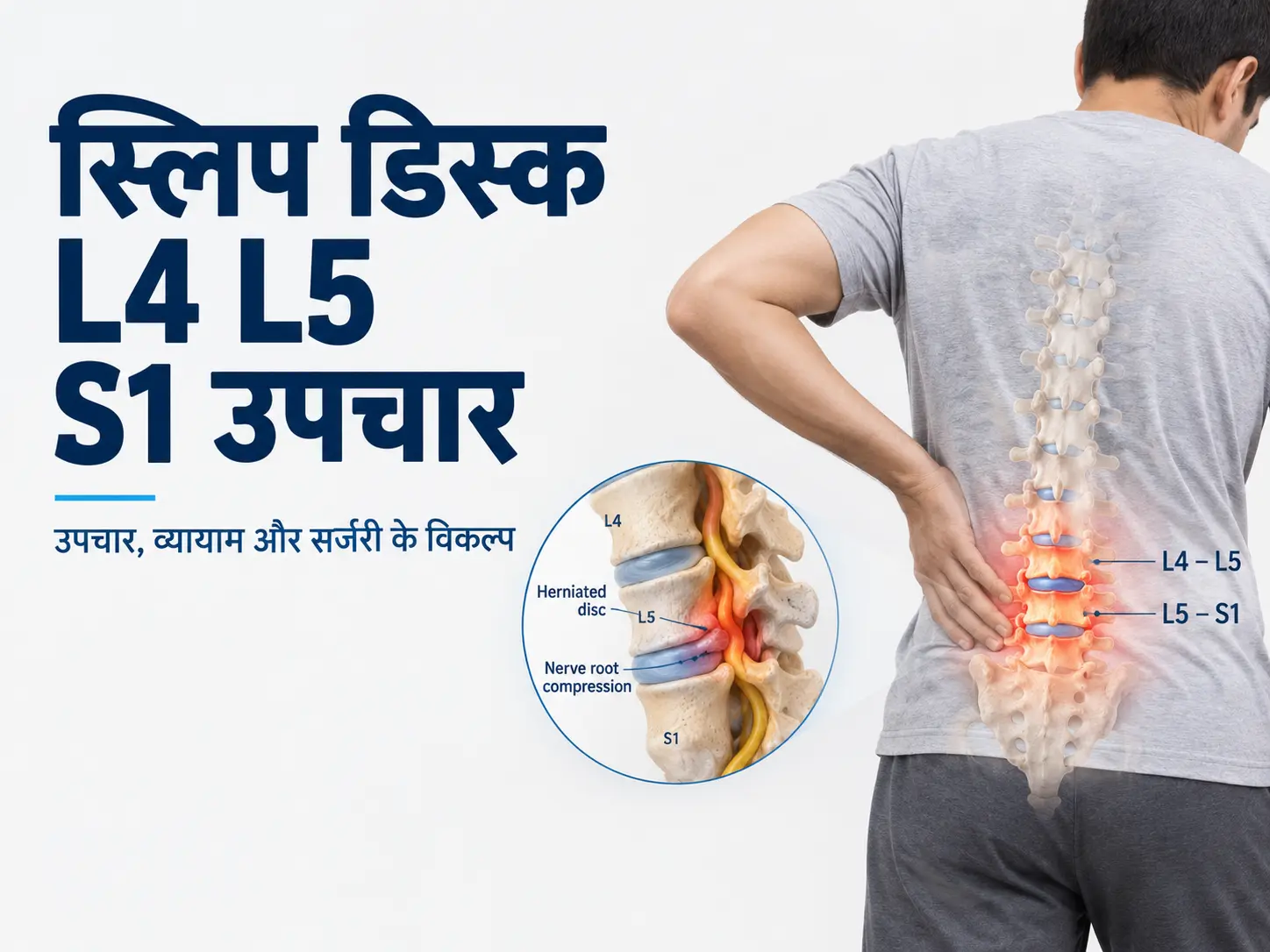
5. Is sleeping on your back good for a slipped disc?
It depends on the person’s symptoms and the location and nature of the disc problem. Some people with a herniated disc find back sleeping comfortable with a pillow under their knees, while others prefer side sleeping. No sleeping position can be guaranteed to treat or reverse a slipped disc. Persistent or worsening symptoms should be assessed by a healthcare professional.
6. Why does my lower back hurt when I wake up?
Morning back pain can be associated with muscle stiffness, sleep position, mattress comfort, or an underlying musculoskeletal or spinal condition. If the pain continues, repeatedly wakes you, or is associated with leg symptoms, consult a healthcare professional to determine the cause.






One Response