Types of Cervical Pain: Causes, Symptoms, and Treatment
Cervical pain refers to discomfort originating in the cervical spine or surrounding structures of the neck. It can feel different from one person to another. Some people experience a dull ache or stiffness in the neck, while others may have sharp pain that spreads to the shoulder, arm or hand.
The type and location of cervical pain can provide useful clues about its possible cause. Muscle strain, poor posture, cervical spondylosis, disc problems and nerve compression can all produce different patterns of symptoms.
Understanding the types of cervical pain can help you recognize when simple neck strain may be responsible and when persistent or radiating pain needs medical evaluation.
What Is Cervical Pain?
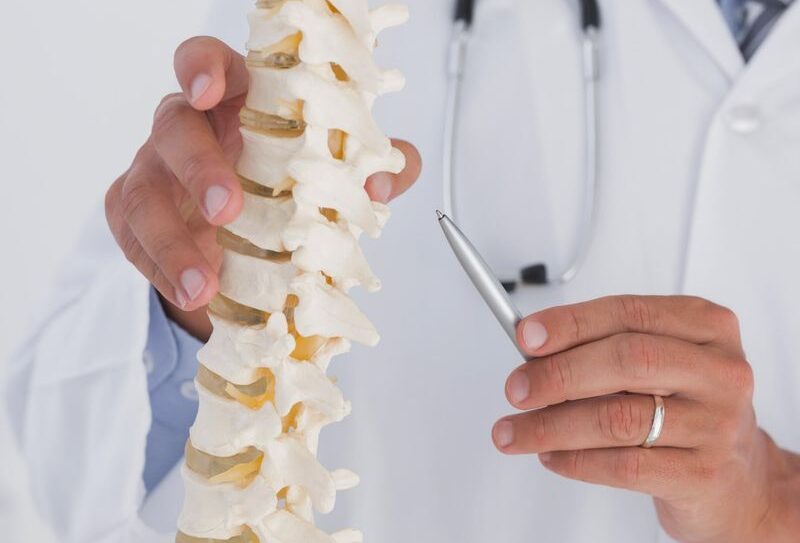
The cervical spine is the upper portion of the spine located in the neck. It contains seven vertebrae, along with discs, joints, muscles, ligaments and nerves that work together to support the head and allow neck movement.
Cervical pain can originate from any of these structures.
It may occur after:
- Prolonged computer or mobile-phone use
- Poor posture
- Muscle strain
- Sudden neck movement
- Previous injury
- Age-related spinal changes
- Cervical disc problems
- Nerve compression
The symptoms can be temporary or persistent depending on the underlying cause.
What Are the Different Types of Cervical Pain?
There is no single way to classify cervical pain. It can be described according to where the pain occurs, how it feels, and whether it spreads beyond the neck.
The common types include:
- Localized neck pain
- One-sided cervical pain
- Pain at the back of the neck
- Pain extending to the shoulder
- Pain radiating into the arm
- Cervical nerve pain
- Neck pain associated with headaches
- Neck pain with stiffness
- Neck pain associated with movement
- Chronic cervical pain
Let’s understand each type.
1. Localized Neck Pain
Localized cervical pain remains primarily around the neck.
It may feel like:
- Dull aching
- Tightness
- Pressure
- Soreness
- Burning discomfort
This type of pain can occur after prolonged sitting, poor posture, muscle strain or repetitive neck movements.
If the pain improves with rest and does not involve neurological symptoms, it may be related to muscles or joints. However, persistent pain should still be evaluated.
2. One-Sided Neck Pain
Some people experience cervical pain predominantly on the left or right side of the neck.
Possible causes include:
- Muscle strain
- Sleeping in an awkward position
- Poor posture
- Muscle spasm
- Joint irritation
- Cervical nerve irritation
Pain that remains localized may be different from pain caused by significant nerve compression, particularly when there is no numbness or weakness.
3. Pain at the Back of the Neck
Pain at the back of the neck is another common presentation.
It may be associated with:
- Neck muscle tension
- Prolonged screen use
- Poor sitting posture
- Cervical joint changes
- Cervical spondylosis
- Previous injury
The pain may become more noticeable when turning or extending the neck.
4. Cervical Pain That Extends to the Shoulder
Pain originating in the neck can sometimes spread toward the shoulder.
This can happen because structures in the cervical spine share nerve pathways with areas around the shoulder and upper limb.
If shoulder pain occurs together with:
- Neck pain
- Tingling
- Numbness
- Arm pain
- Hand weakness
a cervical nerve problem may need to be considered.
5. Cervical Pain Radiating Into the Arm
Pain that travels from the neck into the shoulder, arm or hand may indicate nerve irritation or compression.
This is different from simple muscular neck pain.
The pain may be described as:
- Sharp
- Shooting
- Burning
- Electric-shock-like
- Severe aching
When a cervical nerve is affected, symptoms can also include numbness, tingling or weakness.
6. Cervical Nerve Pain
Cervical nerve-related pain is commonly associated with cervical radiculopathy.
A nerve exiting the cervical spine may become irritated or compressed because of problems such as a disc herniation or degenerative changes.
Symptoms can include:
- Neck pain
- Arm pain
- Tingling
- Numbness
- Muscle weakness
- Reduced grip strength
The exact distribution depends on which nerve is affected.
7. Cervical Pain Associated With Headaches
Some people with neck problems experience headaches that appear to originate from the neck.
The discomfort may begin around the upper neck or back of the head and spread upward.
However, not every headache is caused by cervical pain. Migraine, tension-type headaches and several other conditions can produce similar symptoms.
A new, severe or unusual headache should be medically evaluated rather than automatically attributed to the cervical spine.
8. Cervical Pain With Stiffness
Some people experience stiffness rather than severe pain.
You may notice difficulty:
- Turning your head
- Looking over your shoulder
- Looking upward or downward
- Maintaining one position for a long time
Stiffness can occur with muscle tension, joint problems and age-related cervical changes.
For persistent symptoms, appropriate physiotherapy for cervical pain may help improve mobility and function.
9. Cervical Pain That Worsens With Movement
Cervical pain may become worse when you:
- Turn your head
- Look upward
- Bend your neck
- Sit for long periods
- Use a computer
- Look down at a phone
Movement-related pain can occur with muscle strain, joint irritation or degenerative changes.
However, the pattern of pain alone cannot determine the exact diagnosis.
10. Chronic Cervical Pain
Cervical pain that continues for several weeks or repeatedly returns can be considered persistent or chronic neck pain depending on its duration and clinical context.
Possible contributors include:
- Cervical spondylosis
- Disc degeneration
- Previous injury
- Persistent muscle tension
- Poor posture
- Nerve compression
- Other musculoskeletal conditions
Chronic cervical pain should not simply be managed with repeated self-medication. A proper evaluation can help identify the underlying cause.
Causes of Different Types of Cervical Pain
The cause of cervical pain depends on which structures in the neck are affected. A temporary muscle strain may produce localized soreness, while a disc problem or nerve compression can cause pain that travels into the arm.
1. Muscle Strain
Neck muscle strain is one of the common causes of short-term cervical pain.
It may develop after:
Sleeping in an awkward position
Sudden neck movement
Prolonged computer use
Poor posture
Repetitive activities
Carrying a heavy load
The pain is usually localized and may be accompanied by muscle tightness or spasms.
2. Poor Posture
Maintaining the head in a forward or downward position for long periods can increase stress on the muscles and joints of the cervical spine.
This is particularly common with prolonged:
Smartphone use
Laptop work
Desk work
Reading
Driving
Poor posture may contribute to recurring neck discomfort, although it is not the only possible cause of cervical pain.
3. Cervical Spondylosis
Cervical spondylosis involves age-related changes in the discs, joints and bones of the cervical spine.
It can cause:
Neck pain
Stiffness
Reduced neck movement
Shoulder discomfort
Headaches
Arm pain
Numbness or tingling when nerves are affected
Not everyone with cervical spondylosis develops symptoms.
4. Cervical Disc Problems
The discs between the cervical vertebrae can develop degeneration, bulging or herniation.
If a disc irritates or compresses a nearby nerve, it can produce pain extending from the neck into the shoulder, arm or hand.
This may be accompanied by numbness, tingling or weakness.
5. Nerve Compression
Narrowing around a nerve can occur because of disc changes, bone spurs or other structural changes.
When a cervical nerve is compressed, the resulting symptoms may include:
Shooting arm pain
Burning sensations
Tingling
Numbness
Weakness
The distribution of symptoms can provide clues about which nerve may be involved.
6. Previous Neck Injury
A previous accident, sports injury or whiplash-type injury can contribute to persistent neck pain.
Some injuries affect muscles and ligaments, while more significant trauma can involve the vertebrae, discs or nerves.
Severe neck pain following an accident should be assessed promptly.
How Can You Tell if Cervical Pain Is Muscular or Nerve-Related?
The symptoms can overlap, so you cannot reliably determine the cause based only on how the pain feels.
However, some patterns can provide useful clues.
Feature | More Consistent With Muscle/Mechanical Pain | More Suggestive of Nerve Involvement |
Location | Mainly neck and upper shoulder | Neck extending into arm or hand |
Pain | Aching, soreness, tightness | Burning, shooting or electric-like |
Movement | Often worse with certain movements | May occur with particular neck positions |
Tingling | Usually absent | May be present |
Numbness | Usually absent | May occur |
Weakness | Uncommon | Can occur |
Grip changes | Usually absent | May be reduced |
This is only a general guide. A medical examination is needed to determine the actual cause.
When Should You See a Doctor for Cervical Pain?
You should arrange a medical evaluation if:
- Neck pain persists or repeatedly returns.
- Pain interferes with normal activities.
- Pain spreads from the neck into the arm.
- You develop persistent numbness or tingling.
- Your grip becomes weaker.
- You frequently drop objects.
- Symptoms continue despite appropriate self-care.
Some symptoms require more urgent assessment.
Seek Prompt Medical Attention If You Have:
- New or worsening weakness
- Difficulty walking
- Significant balance problems
- Loss of hand coordination
- Numbness affecting multiple limbs
- Severe neck pain after an accident
- New bladder or bowel control problems
These symptoms can indicate significant nerve or spinal cord involvement.
Conclusion
The types of cervical pain can vary considerably. Some people experience only localized neck stiffness or muscle soreness, while others develop pain extending into the shoulder, arm or hand because of nerve irritation.
The location and character of the pain can provide useful clues, but they cannot establish the diagnosis on their own. Persistent pain, radiating symptoms, numbness, tingling or weakness should be assessed by a qualified healthcare professional.
For many people, appropriate non-surgical treatment—including activity modification, physiotherapy and targeted exercises—can help reduce symptoms and restore normal function. When neurological symptoms or serious warning signs are present, timely medical assessment becomes particularly important.




4 Responses