
C5-C6 Disc Bulge Treatment: Effective Options for Pain Relief and Recovery
A C5-C6 disc bulge affects one of the most commonly involved levels of the cervical spine. It occurs when the disc between the fifth and sixth cervical vertebrae extends beyond its normal boundary. In some people, this finding causes no symptoms. In others, it can irritate or compress a nearby nerve and cause neck pain, shoulder pain, arm pain, numbness, tingling, or weakness.
The good news is that C5-C6 disc bulge treatment does not always require surgery. Many people improve with appropriate non-surgical care, particularly when treatment is started before symptoms become severe.
The right treatment depends on your symptoms, neurological examination, MRI findings, overall health, and how you respond to initial treatment.
What Is a C5-C6 Disc Bulge?
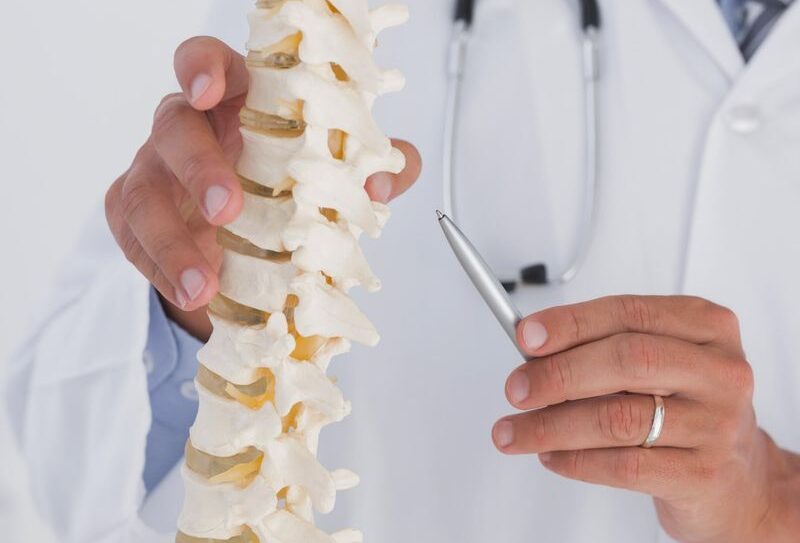
The cervical spine consists of seven vertebrae, from C1 to C7. Intervertebral discs sit between the vertebrae and help absorb shock while allowing the neck to move.
The C5-C6 disc is located between the fifth and sixth cervical vertebrae.
A disc bulge occurs when the disc extends beyond its normal margin. A bulge visible on an MRI does not necessarily mean that the disc is causing pain.
Symptoms become more concerning when the disc affects nearby nerves or the spinal cord.
What Symptoms Can a C5-C6 Disc Bulge Cause?
The symptoms associated with a C5-C6 disc problem can vary.
Common symptoms include:
- Neck pain
- Neck stiffness
- Shoulder pain
- Pain extending into the arm
- Tingling in the arm or hand
- Numbness
- Muscle weakness
- Head or neck discomfort associated with movement
If the C6 nerve root is affected, symptoms can extend toward the outer forearm, thumb, and index finger.
However, nerve symptoms can overlap, so the distribution of pain or numbness alone cannot establish the diagnosis.
How Is C5-C6 Disc Bulge Treatment Decided?
Treatment should be based on more than the MRI report.
A spine specialist may consider:
Where is the pain? Is there numbness, tingling, or weakness?
Neurological Examination
Strength, sensation, and reflexes can provide important information about nerve function.
MRI Findings
MRI can show the location of the disc bulge and whether there is nerve or spinal cord compression.
Duration of Symptoms
Treatment may differ for a recent flare-up compared with symptoms that have persisted for several months.
Response to Previous Treatment
If physiotherapy and other conservative measures have already been tried, the next step may be different.
Non-Surgical C5-C6 Disc Bulge Treatment
For many patients, non-surgical treatment is the first approach.
1. Physiotherapy
Physiotherapy is an important component of C5-C6 disc bulge treatment.
A physiotherapist may design a program to improve:
Neck mobility
Posture
Deep neck muscle control
Shoulder blade strength
Upper-back strength
Overall movement patterns
Treatment should be individualized rather than based on a generic set of neck exercises.
2. Therapeutic Exercises
Once acute symptoms are controlled, specific exercises can help restore strength and movement.
Depending on the patient’s condition, exercises may include:
Chin Tucks
Gentle chin tucks can improve cervical posture and deep neck muscle activation.
Shoulder Blade Retraction
Controlled shoulder blade movements can strengthen muscles supporting the neck and upper back.
Gentle Neck Mobility
Controlled movement within a comfortable range can help maintain mobility.
Upper-Back Strengthening
Strengthening the upper back may improve posture and reduce excessive loading on the neck.
Exercises should not increase radiating arm pain, numbness, tingling, or weakness.
3. Activity Modification
During a painful flare-up, temporarily modifying activities that worsen symptoms can help.
You may need to reduce:
Prolonged phone use
Extended computer sessions
Heavy lifting
Repetitive overhead activities
Positions that consistently reproduce arm symptoms
However, avoiding all movement for long periods is generally not recommended.
Regular gentle movement is usually preferable to prolonged inactivity.
4. Ergonomic Improvements
Workstation setup can make a significant difference when neck symptoms are associated with prolonged sitting.
Consider:
Keeping your monitor near eye level
Supporting your back
Keeping your shoulders relaxed
Avoiding prolonged neck flexion
Taking regular movement breaks
If you work at a computer for several hours, changing position regularly is often more useful than trying to maintain one “perfect” posture all day.
5. Medicines for Pain and Inflammation
Depending on your medical history, a doctor may recommend medication to manage pain or inflammation.
Possible options may include:
Pain relievers
Anti-inflammatory medicines
Muscle relaxants in selected cases
Medicines used for nerve-related pain when appropriate
Medication should be taken according to medical advice. Certain medicines can cause side effects or interact with other medications and medical conditions.
6. Heat and Cold Therapy
Heat or cold therapy can provide temporary symptom relief for some people.
Cold Therapy
Cold packs may be useful during an acute painful episode.
Heat Therapy
Heat may help relax tight muscles and reduce stiffness.
Avoid placing extremely hot or cold materials directly against the skin.
7. Cervical Traction
Cervical traction is sometimes used as part of physiotherapy for selected patients.
The aim is to gently reduce pressure on cervical structures and improve symptoms.
However, traction is not appropriate for everyone. It should be recommended and monitored by a qualified healthcare professional, particularly when there is suspected spinal cord compression or significant neurological symptoms.
8. Epidural Steroid Injections
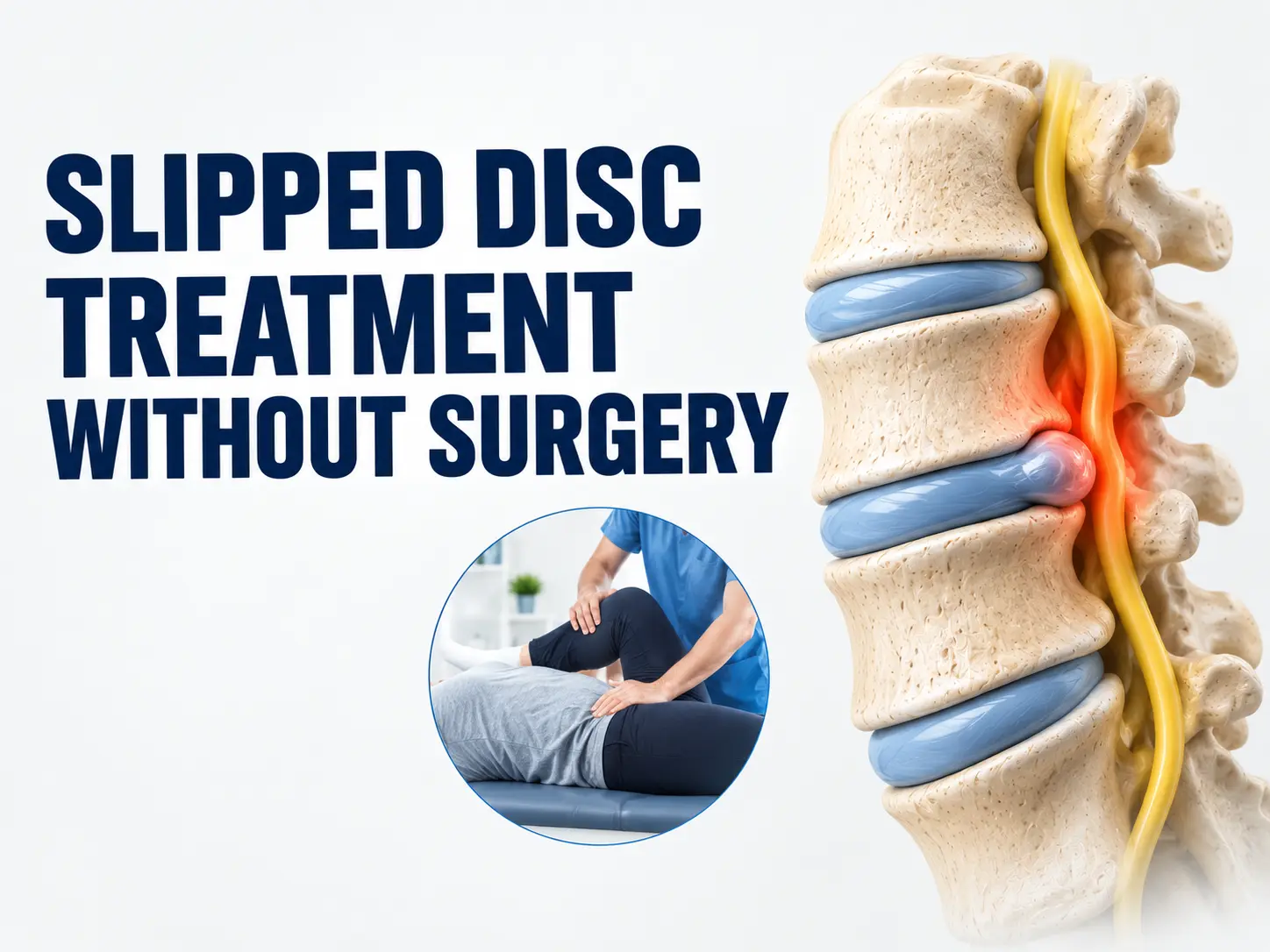
If pain from nerve irritation remains significant despite initial conservative treatment, a doctor may consider a cervical epidural steroid injection in selected cases.
The goal is to reduce inflammation around an irritated nerve and provide temporary pain relief.
An injection does not necessarily correct the underlying disc bulge. It is generally considered alongside rehabilitation rather than as a permanent cure.
Can a C5-C6 Disc Bulge Be Treated Without Surgery?
Yes.
Many patients improve through C5-C6 disc bulge treatment that includes:
- Physiotherapy
- Appropriate exercise
- Activity modification
- Ergonomic changes
- Medication when appropriate
- Selected injections
The exact combination depends on the symptoms and examination findings.
An MRI finding alone does not automatically mean that surgery is necessary.
How Long Does C5-C6 Disc Bulge Treatment Take?
Recovery time varies.
Some patients notice improvement within a few weeks, while others may require several months of rehabilitation.
Recovery can depend on:
- Severity of nerve irritation
- Duration of symptoms
- Presence of weakness
- Degree of nerve or spinal cord compression
- Overall health
- Response to treatment
If symptoms are progressively worsening rather than improving, reassessment is important.
Can Exercise Cure a C5-C6 Disc Bulge?
Exercise can help improve pain, mobility, strength, and function, but it is important to distinguish symptom improvement from changes seen on an MRI.
The purpose of exercise-based C5-C6 disc bulge treatment is primarily to:
- Restore movement
- Improve muscle strength
- Improve posture and movement control
- Reduce disability
- Support a gradual return to normal activities
A disc abnormality seen on imaging may remain even when a person becomes pain-free.
When Is C5-C6 Disc Bulge an Emergency?
Seek urgent medical attention if you develop:
- Rapidly worsening weakness
- Difficulty walking
- Significant loss of balance
- Severe loss of hand coordination
- New bladder or bowel problems
- Numbness affecting a large portion of the body
- Severe neurological symptoms following a neck injury
These symptoms may indicate significant spinal cord or nerve involvement.
When Should You See a Spine Specialist?
Consult a spine specialist if:
- Neck pain persists despite initial treatment
- Pain travels into your arm
- You develop persistent numbness or tingling
- Your arm or hand becomes weak
- Symptoms interfere with sleep or work
- Symptoms continue to worsen
- Your MRI shows significant nerve or spinal cord compression
A specialist can determine whether the MRI finding corresponds with your symptoms and whether further treatment is required.
Conclusion
C5-C6 disc bulge treatment depends on the severity of symptoms, neurological findings, MRI results, and response to conservative care. For many patients, treatment can begin without surgery through physiotherapy, targeted exercises, activity modification, ergonomic improvements, and appropriate pain management.
However, persistent arm pain, numbness, progressive weakness, balance problems, or signs of spinal cord involvement require a more detailed evaluation.
An MRI report showing a C5-C6 disc bulge does not automatically mean that surgery is necessary. The most appropriate treatment is the one that addresses your actual symptoms and neurological findings.
If you have persistent neck pain, arm pain, numbness, or weakness, consult an experienced spine specialist for an individualized assessment and treatment plan.




5 Responses